McKana Giants Mix
Aquilegia coerulea
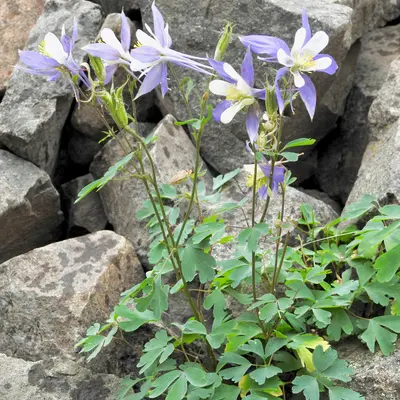
Well-branched plants produce 3-3 1/2" blooms with long spurs. A great cut to fill the gap between early spring and summer bouquets. Blooms in spring of second year from a spring sowing. Attracts hummingbirds. 1955 All-America Selections Winner and originally introduced by W. Atlee Burpee & Co. Perennial in Zones 3-9.
Harvest
365d
Days to harvest
Sun
Full sun to partial shade
Zones
3–8
USDA hardiness
Height
1-3 feet
Planting Timeline
Showing dates for McKana Giants Mix in USDA Zone 7
All Zone 7 flower →Zone Map
Click a state to update dates
McKana Giants Mix · Zones 3–8
Growing Details
Complete Growing Guide
Well-branched plants produce 3-3 1/2" blooms with long spurs. A great cut to fill the gap between early spring and summer bouquets. Blooms in spring of second year from a spring sowing. Attracts hummingbirds. 1955 All-America Selections Winner and originally introduced by W. Atlee Burpee & Co. Perennial in Zones 3-9. According to Johnny's Selected Seeds, McKana Giants Mix is 365 days to maturity, perennial, open pollinated. Notable features: Heirloom, Use for Cut Flowers and Bouquets, AAS (All-America Selections) Winners.
Light: Full sun (6 or more hours of direct sunlight a day), Partial Shade (Direct sunlight only part of the day, 2-6 hours). Soil: Loam (Silt), Sand, Shallow Rocky. Drainage: Good Drainage, Moist, Occasionally Dry. Height: 1 ft. 0 in. - 3 ft. 0 in.. Spread: 0 ft. 6 in. - 2 ft. 0 in.. Spacing: 12 inches-3 feet. Growth rate: Medium. Maintenance: Low. Propagation: Division, Root Cutting, Seed. Regions: Coastal, Mountains, Piedmont.
Harvesting
McKana Giants Mix reaches harvest at 365 days from sowing per Johnny's Selected Seeds. Expect 3-3 1/2" at peak.
5-15 follicles containing many seeds
Type: Follicle.
Harvest time: Summer
Storage & Preservation
Cut McKana Giants Mix stems last 7-10 days in a vase with fresh, cool water changed every 2-3 days. Add floral preservative or a homemade mix (a teaspoon of sugar and a few drops of bleach per quart) to extend vase life and prevent bacterial growth. Keep the vase away from ripening fruit, direct sunlight, and heat sources.
For drying, harvest fully mature seed pods in late summer when completely brown and papery. Hang bundles upside-down in a dry, dark, well-ventilated space for 2-3 weeks until pods are brittle. Store dried seed pods in a cool, dry place in paper envelopes (avoid plastic, which traps moisture). Seeds remain viable for 2-3 years when stored this way.
Columbine petals can also be pressed for crafts and arrangements: place fresh petals between newspaper under heavy books for 2-3 weeks in a dry location. For flower preservation in resin or glycerin drying, harvest at peak bloom and follow standard floral preservation techniques. These are primarily ornamental storage methods rather than culinary preservation.
History & Origin
McKana Giants Mix is open-pollinated, meaning seed saved from healthy plants will produce true-to-type offspring. Listed in the Johnny's Selected Seeds catalog.
Origin: North America, Europe, Asia
Advantages
- +Large 3-3.5" blooms with elegant long spurs attract hummingbirds reliably
- +Well-branched plants produce abundant flowers ideal for cutting arrangements
- +Bridges bloom gap between early spring and summer with reliable flowering
- +Award-winning 1955 All-America Selections variety with proven garden performance
- +Hardy perennial thriving in wide climate range from Zones 3-9
Considerations
- -Requires full year before blooming when spring-sown, testing gardener patience
- -Tall plants with long spurs may need staking in windy locations
- -Prefers cool climates and dislikes extreme heat and humidity stress
- -Seeds need stratification for best germination rates indoors
Companion Plants
The best companions for McKana Giants are plants that share its preference for dappled light and consistent moisture without competing aggressively for either. Astilbe, Bleeding Heart, and Hosta all fit that profile — they settle into 4–6 hours of sun or partial shade, and their root systems don't jostle columbine's shallow crown. Heuchera and Japanese Painted Fern work well at the front of the same border, filling in the gaps at 12–18 inches without swamping it. Lungwort blooms early enough to bridge the gap before columbine gets going in late spring, so you're not staring at bare dirt for long.
Keep Black Walnut out of the picture entirely — the roots and decomposing leaf litter release juglone, a compound toxic enough to collapse columbine's root system before you notice anything is wrong above ground. Mint is a different problem: not toxic, just relentless. It spreads by underground runners and will crowd out a columbine planting within a single season. Fennel does something similar through allelopathy, suppressing nearby perennials without being obvious about it.
Plant Together
Delphinium
Similar growing conditions and creates stunning tall blue spikes that complement columbine colors
Astilbe
Thrives in similar partial shade conditions and provides contrasting feathery texture
Hosta
Excellent foliage companion for shade gardens, similar moisture requirements
Ferns
Natural woodland companions that thrive in same cool, moist, partially shaded conditions
Heuchera
Colorful foliage provides ground cover and thrives in similar cool, moist conditions
Japanese Painted Fern
Silver foliage creates beautiful contrast with columbine flowers in shade gardens
Lungwort
Early spring bloomer that complements columbine season and enjoys similar growing conditions
Bleeding Heart
Classic shade garden companion with similar moisture needs and blooming period
Keep Apart
Black Walnut
Produces juglone toxin that inhibits growth and can kill columbines
Mint
Aggressive spreader that can overwhelm delicate columbine root systems
Fennel
Allelopathic properties inhibit growth of most companion plants including columbines
Pests & Disease Resistance
Common Pests
Columbine sawfly larvae, aphids, spider mites
Diseases
Powdery mildew, root rot, leaf spot
Troubleshooting McKana Giants Mix
What you'll see, why it happens, and what to do about it.
Leaf surfaces coated in white powdery patches, usually appearing mid-summer when heat sets in
Likely Causes
- Powdery mildew (Erysiphe aquilegiae) — a fungal disease that thrives in warm days and cool nights with low humidity on the leaf surface
- Poor airflow from crowded planting at less than 12-inch spacing
What to Do
- 1.Cut the whole plant back hard — down to 3-4 inches — after bloom; it will flush fresh, clean foliage
- 2.Thin plantings so each crown has at least 12 inches of clearance
- 3.If you want to treat rather than cut back, apply a diluted neem oil spray in the early morning, weekly, until the new growth looks clean
Skeletonized leaves — just the veins left — showing up fast in late spring, mostly on young foliage
Likely Causes
- Columbine sawfly larvae (Pristiphora aquilegiae) — pale green caterpillar-like larvae that feed in groups and can strip a plant in a few days
What to Do
- 1.Hand-pick larvae off the undersides of leaves and drop them in soapy water — they're slow and easy to catch
- 2.Spray with spinosad if the infestation is heavy; it's effective on sawfly larvae and less disruptive to beneficial insects than broad-spectrum pesticides
- 3.Cut damaged stems to the ground after bloom; columbine regrows quickly and the second flush usually escapes the worst of sawfly pressure
Crown and roots turning brown and mushy, plant wilting even when soil is moist
Likely Causes
- Root rot — most often Phytophthora or Pythium species — triggered by consistently waterlogged soil
- Planting in a low spot or clay-heavy bed that holds water after rain
What to Do
- 1.Dig the plant and check the roots; if more than half are brown and soft, pull and discard it in the trash, not the compost
- 2.Amend the bed with coarse grit or perlite before replanting, and make sure the crown sits at or just above soil level, not buried
- 3.Water deeply but infrequently — columbine wants consistent moisture, not standing water; let the top inch of soil dry before watering again
Frequently Asked Questions
Do McKana Giants Mix columbines bloom the first year?▼
How long do McKana Giants Mix cut flowers last in a vase?▼
Can you grow McKana Giants Mix in containers?▼
What's the difference between McKana Giants Mix and other columbine varieties?▼
Are McKana Giants Mix columbines deer resistant?▼
How do I save seeds from McKana Giants Mix?▼
Zone-by-Zone Planting Calendar
| Zone | Indoor Start | Transplant | Direct Sow | Harvest |
|---|---|---|---|---|
| Zone 1 | May – June | July – August | July – September | — |
| Zone 2 | April – May | June – July | June – August | — |
| Zone 11 | January – January | January – February | January – March | — |
| Zone 12 | January – January | January – February | January – March | — |
| Zone 13 | January – January | January – February | January – March | — |
| Zone 7 | February – March | April – May | April – June | — |
| Zone 8 | February – March | April – May | April – June | — |
| Zone 9 | January – February | March – April | March – May | — |
| Zone 10 | January – January | February – March | February – April | — |
| Zone 3 | April – May | June – July | June – August | — |
| Zone 4 | March – April | June – June | June – July | — |
| Zone 5 | March – April | May – June | May – July | — |
| Zone 6 | March – April | May – June | May – July | — |
Growing Guides from Wind River Greens
Sources & References
External authority sources used in compiling this guide.
- BreederJohnny's Selected Seeds
See the Methodology page for how this data is sourced, what's AI-assisted, and known limitations.