Pink Guava
Psidium guajava
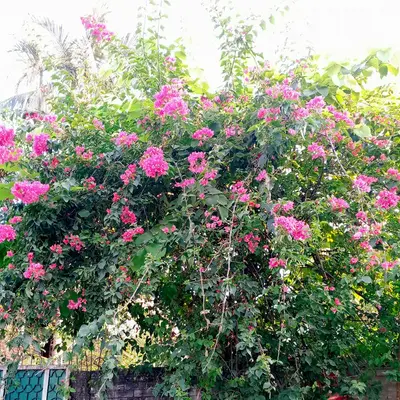
This tropical fruit tree produces incredibly fragrant, sweet fruits with beautiful pink flesh that's rich in vitamin C and antioxidants. The smooth-skinned fruits have an intoxicating aroma that fills the air when ripe, with creamy texture and tropical flavor perfect for eating fresh or making into preserves. Fast-growing and prolific, a single tree can produce hundreds of fruits per season once established.
Harvest
90-120d
Days to harvest
Sun
Full sun to partial shade
Zones
10–11
USDA hardiness
Height
25 feet
Planting Timeline
Showing dates for Pink Guava in USDA Zone 11
All Zone 11 tropical →Zone Map
Click a state to update dates
Pink Guava · Zones 10–11
Growing Details
Complete Growing Guide
Height: Height: 3.00 to 6.00 feet. Spread: Spread: 2.00 to 3.00 feet. Sun: Sun: Full sun. Water: Water: Medium. Zones: Zone: 9 to 10. Bloom time: Bloom Time: April to May. Maintenance: Maintenance: High.
Harvesting
Bloom time: Bloom Time: April to May
Storage & Preservation
Pink guavas are best stored at 50–55°F with 85–90% humidity in breathable containers or perforated plastic bags to prevent moisture buildup and decay. At room temperature, they'll keep 3–5 days; refrigerated, expect 1–2 weeks before the skin begins to wrinkle and flavor softens.
For longer preservation, freezing works exceptionally well—simply halve the fruit, scoop flesh into freezer bags, and use within 8 months for smoothies and sauces. The creamy texture makes them ideal for jam and paste; cook down with minimal added sugar to concentrate the natural tropical sweetness. Juice freezes cleanly and maintains flavor for up to a year. Drying is also viable; slice thin and dehydrate at 140°F until leathery for snacking or tea infusions.
Pink guavas' small edible seeds are less fibrous than other cultivars, making them particularly suited to pressing for clear juice or straining into jellies without significant pulp loss.
History & Origin
Family: Family: Myrtaceae
Advantages
- +Heirloom variety — open-pollinated, save seeds for next year
- +Container-friendly — grows well in pots
- +Disease resistance: Generally hardy but susceptible to anthracnose and fruit flies
Considerations
- -Narrow hardiness range — best in zones 10-11
Companion Plants
Marigolds (Tagetes spp.) and nasturtiums are worth planting around the drip line — both deter aphids and fruit flies through volatile scent compounds, and at 8–12 foot tree spacing they won't compete seriously with guava's roots. Lemongrass serves a similar purpose; its strong oils disrupt the host-finding behavior of flying pests. Comfrey earns a spot as a chop-and-drop plant rather than a close neighbor — its deep taproot pulls up calcium and potassium, and you lay the cut leaves around the guava base every few weeks to feed the soil without disturbing the tree's roots. Mint does the same job for pest deterrence, though grow it in a container or it'll consume the whole bed within a season.
Black walnut produces juglone from its root system, and guava is sensitive enough to show dieback from exposure — give it a minimum buffer of 50 feet. Eucalyptus and pine are a subtler problem: their leaf litter and needles break down into allelopathic compounds that suppress root development, and they'll drag soil pH below guava's 5.0 floor over time. Neither is worth having anywhere near a fruiting tree you've waited 90–120 days to harvest.
Plant Together
Marigold
Repels nematodes and fruit flies that commonly attack guava
Lemongrass
Deters aphids and mosquitoes while attracting beneficial insects
Comfrey
Deep roots bring nutrients to surface, excellent mulch for guava trees
Nasturtium
Acts as trap crop for aphids and adds nitrogen to soil
Papaya
Similar water and nutrient needs, provides complementary canopy structure
Sweet Potato
Ground cover that suppresses weeds and adds organic matter to soil
Banana
Creates beneficial microclimate and wind protection for guava
Mint
Repels ants and rodents that damage guava fruit
Keep Apart
Black Walnut
Produces juglone which is toxic to guava and inhibits root development
Eucalyptus
Allelopathic compounds suppress guava growth and compete for water
Pine Trees
Acidify soil excessively and compete aggressively for nutrients
Nutrition Facts
Per 100g serving. % Daily Value based on 2,000 calorie diet. Source: USDA FoodData Central (FDC #173044)
Pests & Disease Resistance
Resistance
Generally hardy but susceptible to anthracnose and fruit flies
Common Pests
Fruit flies, scale insects, aphids, guava moths
Diseases
Anthracnose, wilt disease, algal spot, canker
Troubleshooting Pink Guava
What you'll see, why it happens, and what to do about it.
Fruit skin shows dark, sunken lesions that expand and rot the flesh, especially after wet weather
Likely Causes
- Anthracnose (Colletotrichum gloeosporioides) — fungal spores spread by rain splash and humid conditions
- Harvesting fruit too late, giving the fungus more time to colonize
What to Do
- 1.Pick fruit at first color change rather than waiting for full ripeness — it'll ripen off the tree
- 2.Thin the canopy to improve airflow; a 25-foot guava left unpruned holds moisture inside the crown all season
- 3.Apply copper-based fungicide before the rainy season starts and repeat every 14 days during prolonged wet spells
Leaves and stems coated in a sticky film, with small waxy brown or tan bumps on the bark
Likely Causes
- Scale insects (commonly Coccus viridis or Selenaspidus articulatus) — the bumps are the insects themselves
- Sooty mold following scale infestation — the mold grows on the honeydew the scales excrete
What to Do
- 1.Scrub visible scale off young branches with a stiff brush dipped in isopropyl alcohol
- 2.Spray with horticultural oil (2% solution) at 7–10 day intervals until populations drop — coat the undersides of leaves
- 3.Check for ant trails up the trunk; ants farm scale insects and will protect them, so band the trunk with a sticky barrier
Fruit has small entry holes and internal tunneling or larval damage discovered at cutting
Likely Causes
- Guava moth (Argyresthia eugeniella) — larvae bore into developing fruit shortly after fruit set
- Oriental fruit fly (Bactrocera dorsalis) — females sting the skin to lay eggs inside
What to Do
- 1.Bag individual fruit clusters with paper bags or fine mesh bags when fruit reach marble size — low-tech but effective
- 2.Set up fruit fly traps (methyl eugenol-based) around the tree perimeter to monitor and reduce adult populations
- 3.Remove and destroy any fallen or damaged fruit immediately; leaving them on the ground cycles the pest straight back into next season
Entire branches wilting and dying back rapidly, with brown discoloration visible when you cut into the wood
Likely Causes
- Wilt disease (Fusarium oxysporum f. sp. psidii) — soil-borne fungus that clogs the vascular tissue
- Canker (Pestalotiopsis psidii) — enters through wounds or pruning cuts and spreads into the cambium
What to Do
- 1.Prune dead and wilting wood back to healthy tissue at least 6 inches below the discolored zone; sterilize your pruning saw between cuts with a 10% bleach solution
- 2.Avoid planting guava in poorly drained sites — Fusarium oxysporum builds up fast in waterlogged soil, so mound the planting bed if your drainage is marginal
- 3.There's no cure once Fusarium is systemic; if the whole tree is affected, remove it and don't replant guava in that spot for several years
Frequently Asked Questions
How long does it take Pink Guava to produce fruit?▼
Is Pink Guava good for beginners?▼
Can you grow Pink Guava in containers?▼
What does Pink Guava taste like?▼
How much sun does Pink Guava need?▼
What pests should I watch for on Pink Guava?▼
Zone-by-Zone Planting Calendar
Growing Guides from Wind River Greens
Sources & References
External authority sources used in compiling this guide.
- Bot. GardenMissouri Botanical Garden
- USDAUSDA FoodData Central
See the Methodology page for how this data is sourced, what's AI-assisted, and known limitations.