Hairy Beardtongue
Penstemon hirsutus
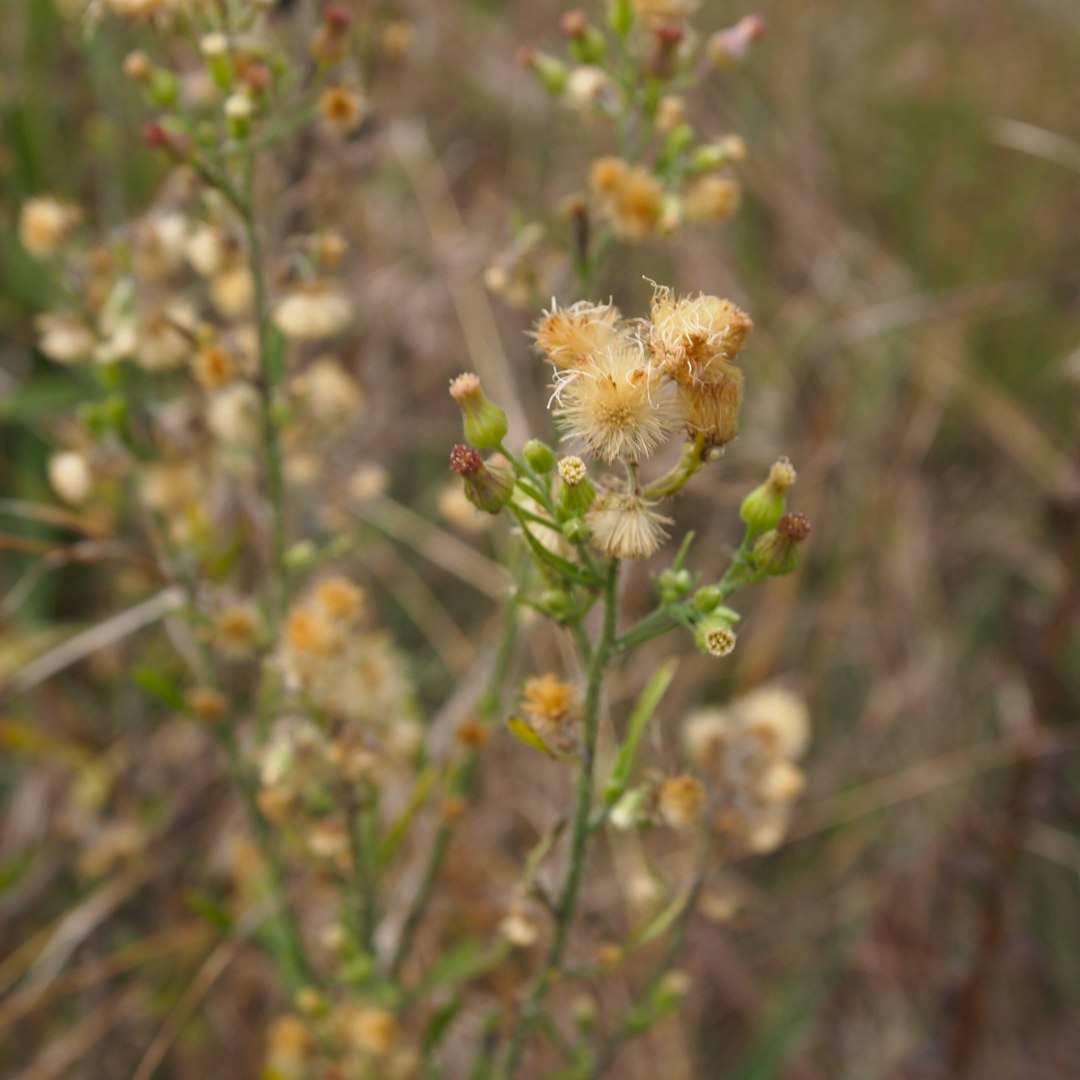
Hairy Beardtongue (Penstemon hirsutus) is a perennial native wildflower. Hardy in USDA zones 3 to 9. Prefers full sun.
Sun
Full sun to partial shade
Zones
3–9
USDA hardiness
Height
12-24 inches
Planting Timeline
Showing dates for Hairy Beardtongue in USDA Zone 7
All Zone 7 native-wildflower →Zone Map
Click a state to update dates
Hairy Beardtongue · Zones 3–9
Growing Details
Complete Growing Guide
Light: Dappled Sunlight (Shade through upper canopy all day), Full sun (6 or more hours of direct sunlight a day), Partial Shade (Direct sunlight only part of the day, 2-6 hours). Soil: Loam (Silt), Shallow Rocky. Drainage: Good Drainage, Occasionally Dry. Spacing: Less than 12 inches. Growth rate: Rapid. Maintenance: Low. Propagation: Seed.
Harvesting
Hairy Beardtongue reaches peak seed harvest readiness when the tubular flowers fade and seedpods transition from green to tan or brown, typically four to six weeks after bloom. The pods feel papery and dry to the touch rather than soft or succulent, signaling mature seed inside. This native wildflower supports continuous harvesting throughout late summer and fall by removing individual ripe pods as they develop, rather than waiting for all pods to mature simultaneously. For optimal timing, collect seeds in early morning after dew dries but before afternoon heat, as this preserves seed viability best. Gently shake mature pods over a collection container to release seeds, or cut entire seedheads and dry them indoors before extracting seeds.
Type: Capsule.
Storage & Preservation
As an ornamental wildflower, Hairy Beardtongue doesn't require food storage. However, seed preservation extends the plant's presence in your garden. Harvest mature seed pods and allow them to dry completely in a paper bag at room temperature (65-75°F) for 2-3 weeks. Once fully dry, store seeds in an airtight container—glass jars work well—in a cool (45-50°F), dry location away from light. Refrigerator or basement storage extends viability to 3-4 years. Label containers with the harvest date and variety. Alternatively, simply allow the plant to self-sow in your garden: cut back dead stems in late winter before new growth emerges, leaving some seedheads intact. Seeds typically germinate the following spring after winter stratification. This method requires no intervention and maintains a healthy, self-sustaining population.
History & Origin
Origin: Eastern Canada and the United States south to Virginia.
Advantages
- +Attracts: Bees, Butterflies, Moths, Predatory Insects
- +Fast-growing
- +Low maintenance
Companion Plants
Little Bluestem and Prairie Dropseed make practical neighbors because they share Penstemon hirsutus's preference for lean, well-drained soil — neither will outcompete it for water the way a heavy feeder would. Black-eyed Susan and Wild Bergamot bloom on a similar schedule and pull in many of the same long-tongued bumblebees that work the penstemon's tubular flowers, so grouping them concentrates pollinator activity. Yarrow adds flat-topped flower clusters that support parasitic wasps and hoverflies — a different guild entirely from the bees the penstemon itself attracts.
The harmful companions here are all invasives, and the reasons to avoid them are specific. Crown Vetch spreads by rhizome and can physically smother low-growing natives within a few seasons. Purple Loosestrife does similar damage in wetter spots. Autumn Olive is the sneakier problem: it fixes atmospheric nitrogen at levels that push soil fertility well above what Penstemon hirsutus actually wants. This is a plant bred by evolution for poor soil — enrich it and you're handing the advantage to weeds.
Plant Together
Purple Prairie Clover
Fixes nitrogen in soil and attracts complementary pollinators
Little Bluestem
Provides structural support and shares similar water requirements
Black-eyed Susan
Attracts beneficial insects and thrives in similar prairie conditions
Wild Bergamot
Repels harmful insects and attracts native bees and butterflies
Yarrow
Improves soil health and attracts predatory insects that control pests
Prairie Dropseed
Provides natural mulch and complements root structure without competition
Leadplant
Fixes nitrogen and creates favorable microclimate conditions
Butterfly Milkweed
Attracts pollinators and both plants support native ecosystem biodiversity
Keep Apart
Crown Vetch
Aggressive spreader that can outcompete and smother native wildflowers
Autumn Olive
Invasive shrub that creates dense shade and depletes soil nutrients
Purple Loosestrife
Highly invasive wetland plant that displaces native species
Pests & Disease Resistance
Common Pests
Minimal under good conditions; may experience spider mites or whiteflies in warm, dry conditions with poor air circulation
Diseases
Minimal under good conditions; powdery mildew and root rot possible in humid climates with excessive moisture
Troubleshooting Hairy Beardtongue
What you'll see, why it happens, and what to do about it.
White powdery coating on leaves and stems, usually showing up in mid-to-late summer
Likely Causes
- Powdery mildew (Erysiphe or Podosphaera spp.) — common when plants are crowded and airflow is poor
- Overhead watering that keeps foliage damp overnight
What to Do
- 1.Thin plantings so stems aren't touching — 12 inches of spacing is the minimum, 18 is better
- 2.Water at the base, not overhead, and do it in the morning so soil dries before dark
- 3.Cut affected stems back hard after bloom; Penstemon hirsutus is tough enough to push new growth
Leaves stippled with tiny pale dots, plant looking dull and dry despite adequate water
Likely Causes
- Spider mites (Tetranychus urticae) — almost always a heat and drought stress problem
- Poor air circulation compounding the infestation
What to Do
- 1.Blast the undersides of leaves with a strong jet of water on two or three consecutive days — mites hate that
- 2.If the infestation is heavy, apply insecticidal soap directly to leaf undersides; neem-based products work fine
- 3.Hold off on nitrogen fertilizer; the soft, lush growth it produces is exactly what spider mites prefer
Frequently Asked Questions
How long does Hairy Beardtongue take to flower from seed?▼
Is Hairy Beardtongue good for beginners?▼
Can you grow Hairy Beardtongue in containers?▼
What colors do Hairy Beardtongue flowers come in?▼
When is the best time to plant Hairy Beardtongue seeds?▼
Does Hairy Beardtongue attract hummingbirds and pollinators?▼
Zone-by-Zone Planting Calendar
Growing Guides from Wind River Greens
Sources & References
External authority sources used in compiling this guide.
- ExtensionNC State Extension
See the Methodology page for how this data is sourced, what's AI-assisted, and known limitations.