Tower White
Callistephus chinensis
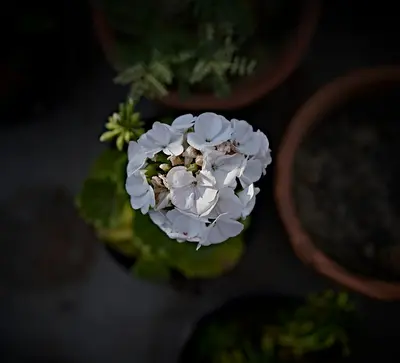
All the elegance and beauty of peonies and garden mums in an easy-to-grow annual. Bright white blooms avg. 2-3" with 13-20 stems per plant. Tower features uniform bloom time and plant height across the series and mix. Also known as summer aster.
Harvest
110-120d
Days to harvest
Sun
Full sun to partial shade
Zones
2–11
USDA hardiness
Height
1-3 feet
Planting Timeline
Showing dates for Tower White in USDA Zone 7
All Zone 7 flower →Zone Map
Click a state to update dates
Tower White · Zones 2–11
Growing Details
Succession Planting
Tower White runs 110–120 days from transplant to bloom, so the timing of each sowing actually matters — a 2-week slip early in the season shows up as a 2-week gap in your cut flower supply. Start a first indoor tray in late February, transplant in mid-April after last frost, then start a second tray 3–4 weeks later for a mid-to-late summer flush. A third sowing in early June can push color into fall, but watch the calendar: seedlings started when daytime highs are consistently above 85°F tend to race to bloom without sizing up properly.
Direct sowing is possible from April through early June, but germination slows and gets erratic once soil tops 70°F. With a 110-day crop, losing 10–14 days to uneven direct-sow germination is a real cost. Indoor starts give you much tighter control over transplant timing, and that control compounds over a multi-succession planting plan.
Complete Growing Guide
All the elegance and beauty of peonies and garden mums in an easy-to-grow annual. Bright white blooms avg. 2-3" with 13-20 stems per plant. Tower features uniform bloom time and plant height across the series and mix. Also known as summer aster. According to Johnny's Selected Seeds, Tower White is 110 - 120 days to maturity, annual, open pollinated. Notable features: Use for Cut Flowers and Bouquets.
Light: Full sun (6 or more hours of direct sunlight a day), Partial Shade (Direct sunlight only part of the day, 2-6 hours). Soil: Clay, High Organic Matter, Loam (Silt), Sand. Soil pH: Acid (<6.0), Neutral (6.0-8.0). Drainage: Good Drainage, Moist. Height: 1 ft. 0 in. - 3 ft. 0 in.. Spread: 1 ft. 0 in. - 1 ft. 6 in.. Spacing: Less than 12 inches. Growth rate: Rapid. Maintenance: Medium. Regions: Coastal, Mountains, Piedmont.
Harvesting
Tower White reaches harvest at 110 - 120 days from sowing per Johnny's Selected Seeds. Expect 2-3" at peak. As an annual, harvest continues until frost ends the season.
The fruit is a rough-textured, glandular, purple-mottled cypsela that turns gray with age.
Storage & Preservation
For fresh storage, keep Tower White cut flowers in a cool location at 65-72°F with moderate humidity. They last 7-10 days in a vase with fresh, cool water and floral preservative changed every 2-3 days. For preservation: (1) Air-dry by hanging upside down in a dark, well-ventilated space for 2-3 weeks to create dried arrangements; (2) Silica gel drying preserves color and shape in 5-7 days for display; (3) Press flowers between parchment paper under heavy weight for 2-3 weeks for crafting and botanical collections.
History & Origin
Tower White is open-pollinated, meaning seed saved from healthy plants will produce true-to-type offspring. Listed in the Johnny's Selected Seeds catalog.
Origin: China and Southern Russia
Advantages
- +Bright white blooms resemble elegant peonies and garden mums effortlessly
- +Produces 13-20 stems per plant for abundant cutting material
- +Easy to grow annual requiring minimal gardening experience or skill
- +Uniform bloom time and height create consistent, professional garden appearance
- +Ready to harvest in just 110-120 days from planting
Considerations
- -Susceptible to powdery mildew and Fusarium wilt in humid conditions
- -Requires well-draining soil or yellows and root rot develop quickly
- -Can become leggy without consistent deadheading and pinching maintenance
Companion Plants
Marigolds (especially Tagetes patula, the French marigold) are probably the most practical companion here. Their roots release alpha-terthienyl, a compound that suppresses soil nematodes — and since Tower White is already vulnerable to soil-borne pathogens like Fusarium oxysporum, anything that improves root-zone health is worth the bed space. Plant them about 12 inches out from your aster row rather than right alongside, so you're not adding water competition to the mix.
Sweet Alyssum and Catmint both draw in parasitic wasps and hoverflies, which keep aphid populations in check. Aphids won't devastate Tower White the way Fusarium will, but they do vector diseases and disfigure cut stems. Low-growing Alyssum also shades the soil surface, slowing moisture loss on hot days — useful if you're growing Tower White through a dry stretch. Cosmos and Zinnias slot in well as row companions because they attract the same generalist predators without muscling in on nutrients.
Black Walnut is the one to stay well clear of. It produces juglone through its roots and leaf litter, and China asters are genuinely sensitive to it — plants within the drip zone will stunt, mottle, and decline with no obvious pest or pathogen to blame. The effect isn't subtle. Eucalyptus causes similar problems through allelopathic compounds in its leaf litter and root exudates. Sunflowers are less of a chemical threat but are heavy nitrogen feeders and tall enough to shade out a 1–3 foot plant like Tower White; give them their own separate row if you're growing both.
Plant Together
Marigolds
Repel aphids, whiteflies, and nematodes while attracting beneficial insects
Sweet Alyssum
Attracts beneficial insects like lacewings and provides ground cover
Nasturtiums
Act as trap crops for aphids and cucumber beetles, drawing pests away
Lavender
Repels moths, fleas, and mosquitoes with aromatic oils
Cosmos
Attract pollinators and beneficial predatory insects like ladybugs
Zinnia
Attract butterflies and beneficial insects while providing color contrast
Catmint
Deters ants, aphids, and rodents while attracting pollinators
Petunias
Repel aphids, tomato hornworms, and squash bugs
Keep Apart
Black Walnut
Produces juglone toxin that inhibits growth and can kill sensitive plants
Eucalyptus
Releases allelopathic compounds that suppress growth of nearby plants
Sunflowers
Compete aggressively for nutrients and water, may shade out shorter plants
Troubleshooting Tower White
What you'll see, why it happens, and what to do about it.
Seedlings collapse at soil level, stem pinched and brown just below the surface
Likely Causes
- Damping off — typically Pythium or Rhizoctonia solani, both thrive in cold, wet, poorly-drained starting mix
- Overwatering combined with low airflow around the tray
What to Do
- 1.Ditch any mix that's been sitting wet; start fresh with a sterile, well-draining seed-starting medium
- 2.Water from the bottom and let the surface dry slightly between waterings
- 3.Run a small fan near seedlings for 30–60 minutes a day to improve airflow and dry the surface
Grayish powdery coating on leaves and stems, showing up in mid to late summer
Likely Causes
- Powdery mildew (Erysiphe cichoracearum) — a common China aster problem, especially when nights cool down while days stay warm
- Crowded spacing that limits air circulation between plants
What to Do
- 1.Space plants no closer than 12 inches apart — 15 to 18 inches is better if you've had mildew before
- 2.Apply a diluted neem oil spray (2 tsp per quart of water) at first sign; repeat every 7–10 days
- 3.Pull and bag affected plants at season's end rather than composting them
Plants wilt suddenly, turn yellow, and die even with adequate water — sometimes one side wilts before the other
Likely Causes
- Fusarium wilt (Fusarium oxysporum f. sp. callistephi) — a soil-borne fungus that colonizes the vascular system; China asters are notoriously susceptible
- Replanting asters in the same bed year after year
What to Do
- 1.Pull affected plants immediately and dispose of them in the trash, not the compost
- 2.Rotate asters out of that bed for at least 3–4 years; Fusarium persists in soil a long time
- 3.If Fusarium has been a recurring problem, grow in raised beds with fresh, sterilized mix or switch to a resistant variety
Distorted, cupped, or streaked petals and leaves; flowers fail to open fully or are off-color
Likely Causes
- Aster yellows — a phytoplasma disease spread by the aster leafhopper (Macrosteles quadrilineatus)
- High leafhopper pressure during dry, hot spells
What to Do
- 1.There's no cure once a plant is infected — pull it out immediately to prevent leafhoppers from moving the disease to healthy plants
- 2.Cover young transplants with row cover (0.9 oz/sq yd) for the first 4–6 weeks to block leafhopper feeding
- 3.Avoid planting near weedy areas where leafhoppers overwinter; keep the surrounding 3–4 feet weeded
Frequently Asked Questions
How long do Tower White cut flowers last in a vase?▼
Is Tower White a good choice for beginner gardeners?▼
Can you grow Tower White flowers in containers?▼
When should I plant Tower White seeds?▼
What is Tower White also known as?▼
How many stems and flowers does each Tower White plant produce?▼
Zone-by-Zone Planting Calendar
| Zone | Indoor Start | Transplant | Direct Sow | Harvest |
|---|---|---|---|---|
| Zone 1 | May – June | July – August | July – September | — |
| Zone 2 | April – May | June – July | June – August | — |
| Zone 11 | January – January | January – February | January – March | — |
| Zone 12 | January – January | January – February | January – March | — |
| Zone 13 | January – January | January – February | January – March | — |
| Zone 3 | April – May | June – July | June – August | — |
| Zone 4 | March – April | June – June | June – July | — |
| Zone 5 | March – April | May – June | May – July | — |
| Zone 6 | March – April | May – June | May – July | — |
| Zone 7 | February – March | April – May | April – June | — |
| Zone 8 | February – March | April – May | April – June | — |
| Zone 9 | January – February | March – April | March – May | — |
| Zone 10 | January – January | February – March | February – April | — |
Growing Guides from Wind River Greens
Sources & References
External authority sources used in compiling this guide.
- BreederJohnny's Selected Seeds
See the Methodology page for how this data is sourced, what's AI-assisted, and known limitations.