New York Aster
Symphyotrichum novi-belgii
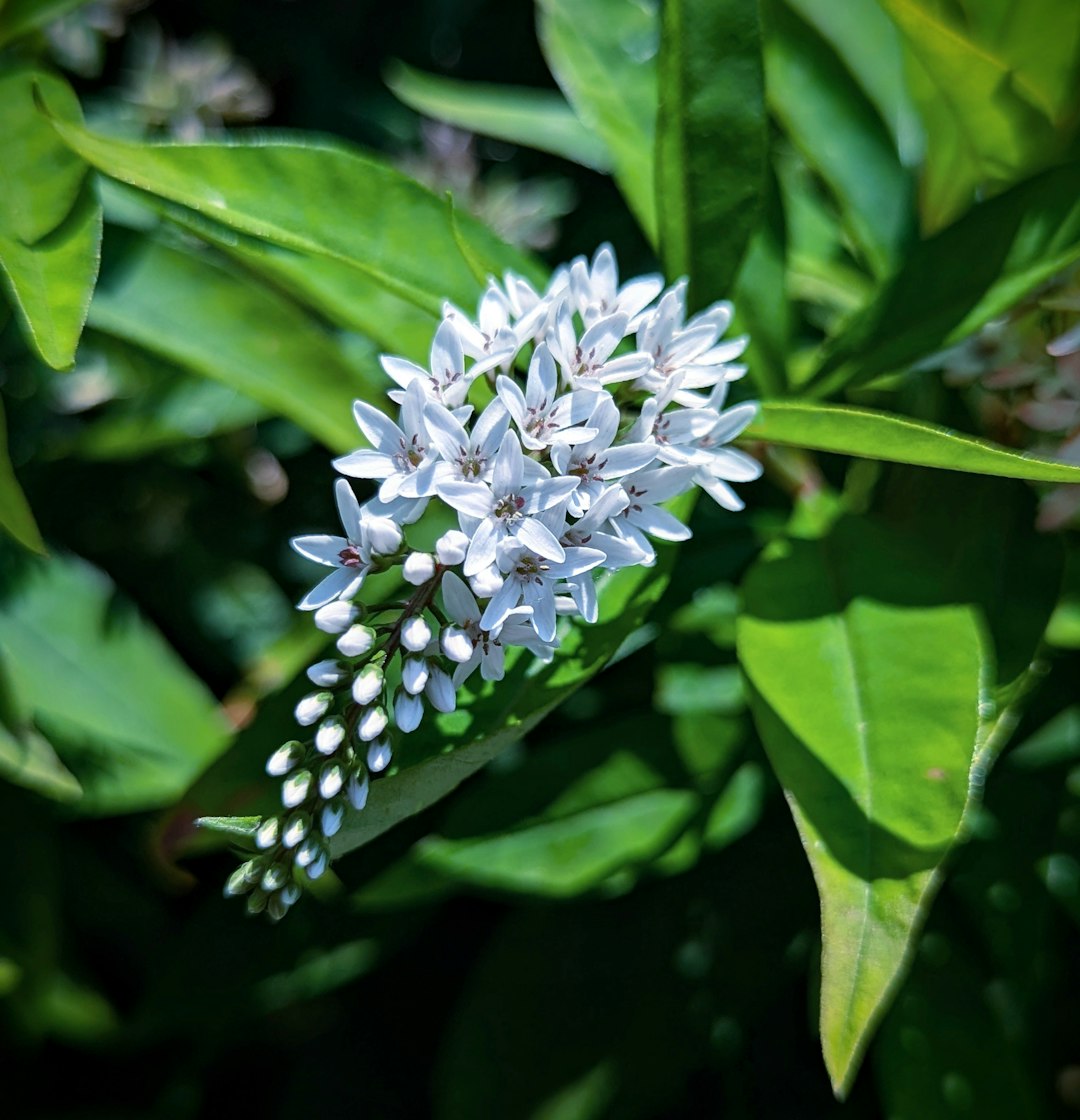
New York Aster (Symphyotrichum novi-belgii) is a perennial native wildflower. Hardy in USDA zones 4 to 8.
Sun
Full sun to partial shade
Zones
4–8
USDA hardiness
Height
3-5 feet
Planting Timeline
Showing dates for New York Aster in USDA Zone 7
All Zone 7 native-wildflower →Zone Map
Click a state to update dates
New York Aster · Zones 4–8
Growing Details
Complete Growing Guide
Light: Full sun (6 or more hours of direct sunlight a day), Partial Shade (Direct sunlight only part of the day, 2-6 hours). Soil: Clay, Loam (Silt), Sand. Soil pH: Acid (<6.0), Neutral (6.0-8.0). Drainage: Good Drainage, Moist. Height: 3 ft. 0 in. - 5 ft. 0 in.. Spread: 1 ft. 0 in. - 2 ft. 0 in.. Spacing: 12 inches-3 feet. Maintenance: Low. Propagation: Division, Seed. Regions: Coastal, Piedmont.
Harvesting
This wildflower produces a dry seed (achene) that matures in late fall. with a tuft of hairs (pappus)
Type: Achene.
Harvest time: Fall, Winter
Storage & Preservation
Fresh-cut New York Aster stems last 10–14 days in a clean vase with floral preservative or a homemade solution (1 tablespoon sugar + ½ teaspoon bleach per quart of water). Change water every 2–3 days and recut stem bases by ¼ inch. For drying, hang stems upside down in a warm, dark, well-ventilated space for 2–3 weeks until papery; dried flowers retain color and shape beautifully for winter arrangements. Alternatively, preserve flowers by pressing them between newspaper under weight for 2–3 weeks, ideal for crafts or herbals. For seed collection, allow a few flower clusters to fully mature on the plant; harvest seed heads when they turn brown and fluffy (late October–November), dry completely indoors for 1–2 weeks, then strip seeds for storage in cool, dry conditions for up to 2 years.
History & Origin
Origin: E. Canada to NE. U.S.A.
Advantages
- +Attracts: Bees, Butterflies, Pollinators, Small Mammals, Songbirds, Specialized Bees
- +Low maintenance
Companion Plants
Goldenrod and Joe Pye Weed are the strongest pairings — all three bloom on the same late-season schedule, and the overlapping flower window from August through October pulls in predatory wasps and hoverflies that knock back the aphid and spider mite pressure New York Aster tends to attract. Purple Coneflower and Black-eyed Susan add height variation without root competition, since their taproots drop below the aster's shallow fibrous mat. Keep Black Walnut out of the picture entirely; juglone released by its roots accumulates in the soil and stunts or kills most herbaceous perennials, and Symphyotrichum novi-belgii has no tolerance for it. Crown Vetch is a federally listed invasive across much of its range and will outpace everything else in the bed within a single season.
Plant Together
Goldenrod
Blooms simultaneously, attracts beneficial insects, and shares similar growing conditions
Joe Pye Weed
Provides habitat for butterflies and beneficial insects while offering complementary fall blooming period
Purple Coneflower
Attracts pollinators and beneficial predatory insects that help control aster pests
Wild Bergamot
Natural pest deterrent properties help protect asters from aphids and spider mites
Black-eyed Susan
Creates pollinator habitat and provides structural support in naturalized plantings
Little Bluestem Grass
Provides natural mulch and wind protection while sharing similar soil preferences
Yarrow
Attracts beneficial predatory wasps and lacewings that control aster leaf beetles
Wild Ginger
Provides ground cover that retains soil moisture and suppresses weeds around aster roots
Keep Apart
Black Walnut
Produces juglone which is toxic to asters and inhibits their growth and flowering
Autumn Olive
Aggressive invasive shrub that outcompetes asters for nutrients, water, and sunlight
Crown Vetch
Forms dense mats that smother native asters and alters soil nitrogen levels
Pests & Disease Resistance
Common Pests
Aphids, spider mites, Japanese beetles
Diseases
Powdery mildew, rust, septoria leaf spot
Troubleshooting New York Aster
What you'll see, why it happens, and what to do about it.
White powdery coating on leaves and stems, usually appearing mid-summer on plants in dense clumps
Likely Causes
- Powdery mildew (Erysiphe cichoracearum) — thrives in warm days, cool nights, and poor airflow
- Overcrowded planting below the 18-inch spacing minimum
What to Do
- 1.Divide the clump — New York Aster spreads fast and needs splitting every 2–3 years anyway
- 2.Cut affected stems back by a third to open up the center of the plant
- 3.Apply a diluted neem oil spray (2 tsp per quart of water) every 7 days until new growth comes in clean
Small orange or rust-colored pustules on the undersides of leaves, with corresponding yellow spots on top
Likely Causes
- Aster rust (Coleosporium asterum) — a fungal pathogen that requires a two-needle pine as an alternate host to complete its life cycle
- Wet spring weather with prolonged leaf wetness
What to Do
- 1.Strip and bag infected leaves — don't compost them
- 2.Switch to drip irrigation or water at the base; overhead watering extends the leaf wetness that Coleosporium asterum needs to spread
- 3.If two-needle pines (Pinus sylvestris or similar) are growing within 100 feet, that's your alternate host — relocate the asters or remove the pines from that radius
Stunted, curled new growth with sticky residue on stems and leaves, often with ants running up and down the plant
Likely Causes
- Aphid colonies — Uroleucon ambrosiae (the brown ambrosia aphid) is the one most likely hitting your asters specifically
- Ants tending the aphids for honeydew; the ant traffic is a diagnostic flag, not the problem itself
What to Do
- 1.Knock aphids off with a firm stream of water three days running — most colonies don't recover from that
- 2.Plant goldenrod or yarrow within 10 feet to draw parasitic wasps and ladybug adults, which both predate aphid colonies
- 3.If populations persist, apply insecticidal soap (1.5 tbsp per quart of water) directly to the undersides of leaves where colonies cluster
Frequently Asked Questions
When should I plant New York Aster?▼
How tall does New York Aster grow?▼
Can New York Aster grow in containers?▼
Why is my New York Aster powdery and not flowering well?▼
How long does New York Aster take to bloom from seed?▼
Is New York Aster good for pollinators and wildlife?▼
Zone-by-Zone Planting Calendar
Growing Guides from Wind River Greens
Sources & References
External authority sources used in compiling this guide.
- ExtensionNC State Extension
See the Methodology page for how this data is sourced, what's AI-assisted, and known limitations.