Ginger Hawaiian
Zingiber officinale 'Hawaiian'
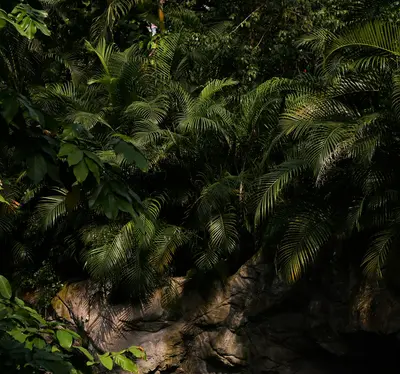
A superior ginger variety known for its exceptional flavor intensity and beautiful pink-tinged shoots that make it as ornamental as it is culinary. This variety produces thick, juicy rhizomes with less fiber than common ginger, making it perfect for fresh use in cooking and the spicy bite that ginger lovers crave. Easy to grow indoors or out, and you can harvest baby ginger in just 4 months.
Harvest
120-300d
Days to harvest
Sun
Partial shade
Zones
9–12
USDA hardiness
Height
2-4 feet
Planting Timeline
Showing dates for Ginger Hawaiian in USDA Zone 11
All Zone 11 tropical →Zone Map
Click a state to update dates
Ginger Hawaiian · Zones 9–12
Growing Details
Complete Growing Guide
Light: Partial Shade (Direct sunlight only part of the day, 2-6 hours). Soil: Clay, High Organic Matter, Loam (Silt), Sand. Soil pH: Acid (<6.0), Alkaline (>8.0), Neutral (6.0-8.0). Drainage: Moist, Occasionally Wet. Height: 2 ft. 0 in. - 4 ft. 0 in.. Spread: 2 ft. 0 in. - 3 ft. 0 in.. Spacing: 12 inches-3 feet. Growth rate: Medium. Maintenance: Medium. Propagation: Root Cutting. Regions: Coastal, Piedmont.
Harvesting
Edibility: Rhizomes, ginger root and young sprouts are all edible.
Storage & Preservation
# Storage and Preservation
Fresh Hawaiian ginger keeps best in cool, humid conditions between 50–60°F with 65–70% humidity. Store unwashed rhizomes in a breathable paper bag or cardboard box in a cool pantry or refrigerator crisper drawer, where they'll last 3–4 weeks. Avoid plastic bags, which trap moisture and encourage rot. For longer storage, dust soil from the rhizomes and keep them in a cool basement or root cellar at 55°F; properly stored roots remain usable for 2–3 months.
Freezing works exceptionally well for this variety. Grate fresh ginger and freeze in ice cube trays with a splash of water, then transfer cubes to freezer bags for up to six months. Alternatively, slice or chunk rhizomes and freeze directly on a tray before bagging. Drying is ideal for tea and medicinal preparations—slice thinly and air-dry in a warm, well-ventilated space for 1–2 weeks, or use a dehydrator at 110–130°F until brittle. Pickling in vinegar and sugar preserves the spicy-citrus profile beautifully and keeps refrigerated for several months. The Hawaiian variety's lower fiber content makes it particularly suited to quick pickling methods and fine grating for frozen preparations.
History & Origin
This variety represents a selection from Hawaiian ginger cultivation traditions, where Zingiber officinale has been grown for centuries following Polynesian introduction to the islands. The specific 'Hawaiian' cultivar designation reflects regional refinement rather than formal breeding documentation, with its characteristic pink-tinged shoots and reduced fiber content likely selected through generations of cultivation by Hawaiian growers who favored these traits for fresh culinary use. While precise breeding records and introduction dates remain undocumented in mainstream horticultural literature, the variety embodies the practical plant selection practices of tropical island agriculture, where superior rhizome quality and ornamental appeal were naturally valued traits worth perpetuating.
Origin: Tropical Asia
Advantages
- +Edible: Rhizomes, ginger root and young sprouts are all edible.
Companion Plants
Turmeric, galangal, and cardamom make the most practical neighbors for Hawaiian ginger — they share nearly identical requirements (filtered light, consistent moisture, 6.0–6.8 pH, shallow rhizome spread around 6–8 inches deep), so one plant isn't being shortchanged to accommodate another. Lemongrass planted on the windward side blocks the drying gusts that push humidity down fast, and its dense, deep root mass stays mostly below where ginger rhizomes run, so there's no real competition for the same soil column.
Black walnut and eucalyptus both produce allelopathic compounds — juglone and cineole respectively — that ginger is sensitive enough to register in the rhizome yield before you'd ever see obvious foliar symptoms. Around here in the Southeast, black walnut is common enough on older properties that it's worth pacing off the distance before you site a ginger bed; 50 feet of clearance is the minimum. Mint is a different problem — not toxic, just relentless. It spreads at exactly the root depth where ginger rhizomes are trying to bulk up, and by the time you notice it, you're spending a full afternoon pulling runners instead of harvesting.
Plant Together
Turmeric
Similar growing conditions and root structure, compatible soil pH needs
Lemongrass
Natural pest deterrent, similar water and humidity requirements
Galangal
Fellow rhizome crop with compatible growth habits and soil needs
Kaffir Lime
Provides beneficial shade and attracts pollinators while repelling pests
Sweet Potato
Ground cover that conserves soil moisture and doesn't compete for space
Taro
Similar tropical conditions, helps maintain soil moisture and humidity
Thai Basil
Repels aphids and thrips, thrives in similar warm, humid conditions
Cardamom
Compatible understory plant that benefits from ginger's shade
Keep Apart
Eucalyptus
Allelopathic compounds inhibit growth of nearby plants including ginger
Black Walnut
Releases juglone toxin that severely stunts ginger rhizome development
Mint
Aggressive spreader that competes heavily for nutrients and water
Sunflower
Allelopathic root exudates can inhibit ginger germination and growth
Nutrition Facts
Per 100g serving. % Daily Value based on 2,000 calorie diet. Source: USDA FoodData Central (FDC #169231)
Pests & Disease Resistance
Resistance
Generally disease resistant, susceptible to root rot in waterlogged conditions
Common Pests
Aphids, spider mites, thrips, root-knot nematodes
Diseases
Rhizome rot, bacterial wilt, leaf spot, fusarium yellows
Troubleshooting Ginger Hawaiian
What you'll see, why it happens, and what to do about it.
Rhizome sitting in soggy soil turns soft and brown at the base, with a foul smell when you dig it up
Likely Causes
- Rhizome rot (Pythium spp. or Fusarium spp.) — almost always triggered by waterlogged, poorly draining soil
- Planting too deep (more than 2 inches below the surface) combined with heavy clay that holds moisture
What to Do
- 1.Dig up the affected rhizome, cut away any soft or discolored sections with a clean knife, and dust the cuts with powdered sulfur before replanting
- 2.Amend the bed with coarse perlite or aged pine bark to improve drainage before you put anything back in the ground
- 3.Switch to raised beds or mounded rows if your native soil stays wet for more than 24 hours after a hard rain
Leaf edges and tips go yellow, then brown and papery, while the center of the leaf stays green
Likely Causes
- Fusarium yellows (Fusarium oxysporum) — soil-borne, often confused with a watering problem
- Low humidity combined with direct afternoon sun scorching the leaf margins — ginger wants 4-6 hours of filtered light, not full exposure
What to Do
- 1.Pull the plant and inspect the rhizome; if the vascular tissue inside shows orange or brown streaking, Fusarium is the culprit — remove and destroy the plant, don't compost it
- 2.If the rhizome looks clean, move the plant to a shadier spot or rig shade cloth (30-40%) over the bed for the hottest part of the day
- 3.Keep mulch 3-4 inches deep around the base to hold soil moisture and buffer temperature swings
Stunted, yellowing plants that don't seem to grow despite good watering, with knobby galls visible on the roots when pulled
Likely Causes
- Root-knot nematodes (Meloidogyne spp.) — common in warm, sandy southeastern soils and nearly impossible to see without digging
- Replanting ginger in the same bed year after year without rotating, which lets nematode populations build up
What to Do
- 1.Solarize the bed before the next planting season: wet the soil, cover it tightly with clear plastic, and leave it for 6-8 weeks in full summer sun to knock back nematode populations
- 2.Work in finished compost at a rate of 2-3 inches tilled to 8 inches deep — higher organic matter supports beneficial microbial activity that suppresses nematodes
- 3.Rotate ginger out of that bed for at least 2 seasons and follow with French marigolds (Tagetes patula), which NC State Extension notes as a documented nematode suppressant
Frequently Asked Questions
How long does Ginger Hawaiian take to harvest?▼
Is Ginger Hawaiian good for beginners?▼
Can you grow Ginger Hawaiian in containers?▼
What does Ginger Hawaiian taste like?▼
How much sun does Ginger Hawaiian need?▼
What soil does Ginger Hawaiian prefer?▼
Zone-by-Zone Planting Calendar
Growing Guides from Wind River Greens
Sources & References
External authority sources used in compiling this guide.
- ExtensionNC State Extension
- USDAUSDA FoodData Central
See the Methodology page for how this data is sourced, what's AI-assisted, and known limitations.