Yellow Trillium
Trillium luteum
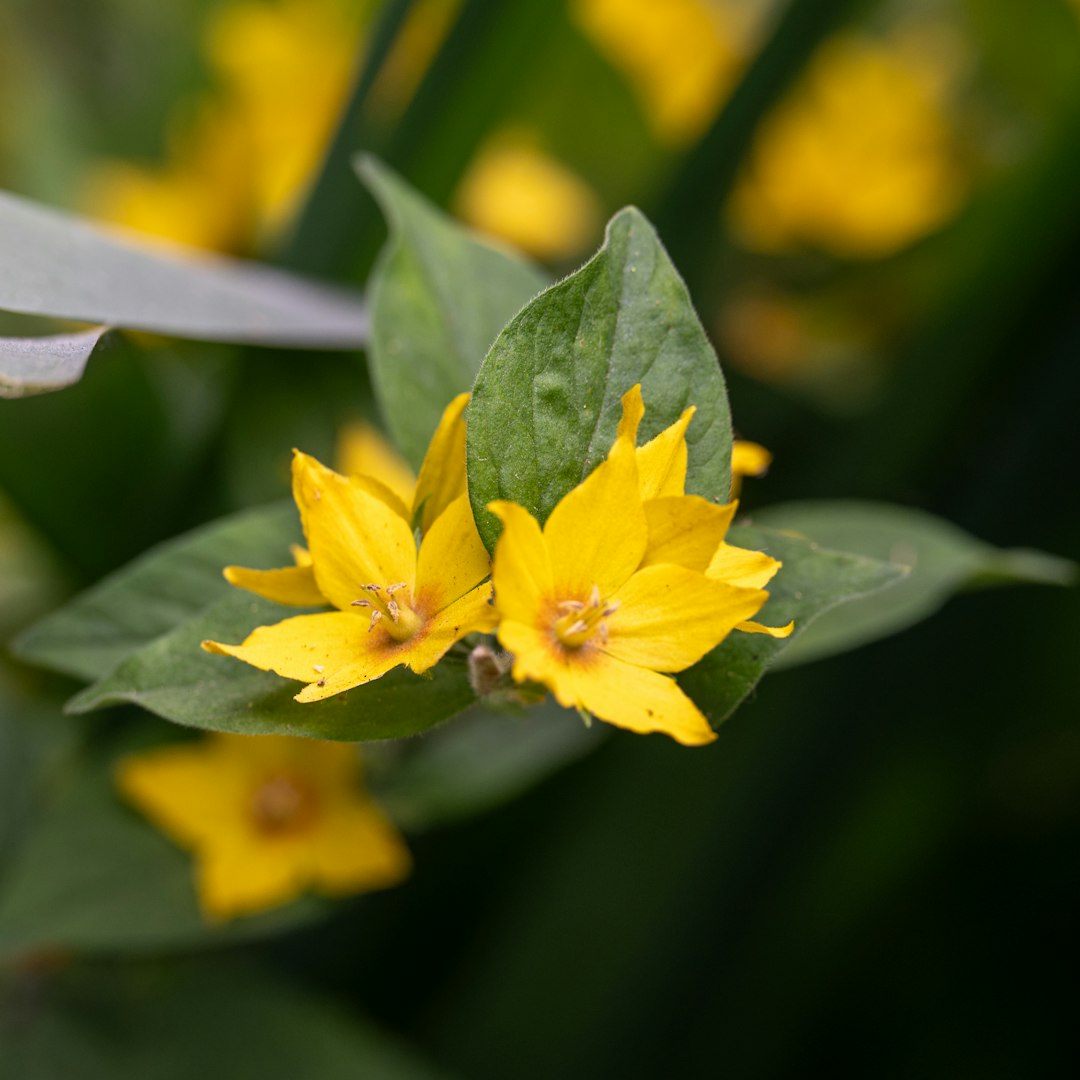
Yellow Trillium (Trillium luteum) is a perennial native wildflower. Hardy in USDA zones 4 to 8. Prefers part sun.
Sun
Partial shade
Zones
4–8
USDA hardiness
Height
8-18 inches
Planting Timeline
Showing dates for Yellow Trillium in USDA Zone 7
All Zone 7 native-wildflower →Zone Map
Click a state to update dates
Yellow Trillium · Zones 4–8
Growing Details
Complete Growing Guide
Light: Deep shade (Less than 2 hours to no direct sunlight), Partial Shade (Direct sunlight only part of the day, 2-6 hours). Soil: High Organic Matter. Soil pH: Neutral (6.0-8.0). Drainage: Good Drainage, Moist. Height: 0 ft. 8 in. - 1 ft. 6 in.. Spread: 1 ft. 0 in. - 1 ft. 6 in.. Spacing: 12 inches-3 feet. Growth rate: Slow. Maintenance: Medium. Propagation: Division, Seed. Regions: Mountains.
Harvesting
Green to greenish-white, sometimes with purple streaks berry-like capsules that are dispersed by ants. In North Carolina, fruits are available from May to June.
Color: Green, White. Type: Berry, Capsule. Length: < 1 inch. Width: < 1 inch.
Harvest time: Spring, Summer
Edibility: EDIBLE PARTS: Young, unfolding leaves HARVEST TIME: Only collect leaves from areas you know have NOT been treated with pesticides. SAFE HANDLING PROCEDURES: Wash leaves in warm water to remove dirt and debris. Do not use dish detergent or any type of sanitizer. These products can leave a residue. Cook in boiling, salted water for ten minutes and serve like greens. SOURCE: Crowhurst, A. 1972. The Weed Cookbook. Lancer Books, Inc. New York, 190 pp.
Storage & Preservation
Yellow Trillium blooms are ornamental wildflowers and are not typically harvested for storage or food use. If cutting flowers for display, place stems in cool water immediately after picking and store in a cool location (50-65°F) with high humidity to extend vase life to 7-10 days. Keep away from direct sunlight and ethylene-producing fruits. For preservation, pressing flowers between acid-free paper or cardstock is ideal for crafts and herbarium preservation. Alternatively, air-dry flowers in bundles hung upside-down in a cool, dark, well-ventilated space (2-3 weeks). Glycerin preservation can also be used to maintain flexibility and prevent brittleness of petals and foliage.
History & Origin
Native to the woodlands of the southeastern United States, Trillium luteum has no documented commercial breeder or formal introduction date, as it exists as a naturally occurring wildflower rather than a cultivated variety. The species evolved within its ecological niche across regions including Kentucky, Tennessee, and surrounding Appalachian areas, where it thrives in rich, moist forest understories. Yellow Trillium represents part of the broader Trillium genus, a lineage of spring ephemerals with deep roots in North American botanical heritage. Unlike many ornamental plants developed through intentional breeding programs, this species entered horticulture through wild collection and propagation by native plant enthusiasts and botanical gardens seeking to preserve and share native flora. Its recognition as a garden plant reflects growing interest in native wildflowers rather than formal plant development.
Origin: Southeastern United States
Advantages
- +Bright yellow flowers bloom early spring, lighting up shaded woodland gardens
- +Cold hardy through zone 4, reliable across most northern climates
- +Requires minimal maintenance once established in appropriate woodland conditions
- +Native to eastern US, supports local pollinators and ecosystem balance
- +Fragrant blooms add sensory appeal beyond visual interest to gardens
Considerations
- -Slow to establish and multiply, taking several years to spread naturally
- -Prefers consistently moist woodland soil; struggles in dry or compacted areas
- -Susceptible to slugs and deer browsing that damage emerging spring growth
- -Very shade-dependent; insufficient light results in fewer flowers and weak plants
Companion Plants
The best companions for Yellow Trillium are other spring-blooming woodland natives that share its needs without crowding it out. Wild Ginger (Asarum canadense) is a natural pairing — it spreads slowly as a low groundcover, suppresses weeds at soil level, and keeps the root zone cool and moist without shading out the Trillium's brief spring light window. Bloodroot and Hepatica bloom on roughly the same early-spring schedule and don't draw heavily from the same soil layer, so there's little competition between them. Ferns — Christmas fern or cinnamon fern both work — earn their spot by coming into full leaf right as the Trillium goes dormant in late May, masking the gap the yellowing foliage leaves behind. Solomon's Seal does the same job and adds vertical interest in a shaded bed.
In our zone 7 Georgia gardens, Mayapple is probably the most practical companion because it's already colonizing the same moist, part-shade hollows where Trillium thrives, and the two coexist without issue for the first several years before Mayapple starts to spread aggressively — worth watching after year four or five.
Black Walnut is the one plant to keep well away from this bed. Juglone, the allelopathic compound Black Walnut roots and decomposing hulls release into the soil, is broadly toxic, and Trillium — already slow to establish — has no capacity to shrug it off. Crown Vetch and Autumn Olive are a different problem: both are aggressive invasives that will physically smother a Trillium planting before it gets a foothold, particularly in the first two or three years when the rhizomes are still small.
Plant Together
Wild Ginger
Shares similar shade and moisture requirements, creates complementary groundcover
Bloodroot
Compatible spring ephemeral with similar soil and light needs
Mayapple
Provides natural canopy protection and thrives in same woodland conditions
Jack-in-the-Pulpit
Compatible native with similar humus-rich soil and shade requirements
Solomon's Seal
Complementary woodland native that doesn't compete for same soil layer
Hepatica
Early spring bloomer with compatible root system and moisture needs
Wild Columbine
Attracts beneficial pollinators without competing for same ecological niche
Ferns
Provide natural mulch and maintain consistent soil moisture levels
Keep Apart
Black Walnut
Produces juglone toxin that inhibits growth of most understory plants
Crown Vetch
Aggressive invasive groundcover that outcompetes and smothers native wildflowers
Autumn Olive
Dense invasive shrub that creates heavy shade and alters soil chemistry
Troubleshooting Yellow Trillium
What you'll see, why it happens, and what to do about it.
Leaves emerge distorted or mottled with pale yellow streaking in early spring
Likely Causes
- Trillium mosaic virus — spread by aphids feeding on new growth
- Thrips damage during bud break, which causes similar silvery streaking on young leaves
What to Do
- 1.Remove and bag severely affected plants — there's no cure for mosaic virus, and leaving them risks spreading it to neighboring plants
- 2.Knock back aphid populations with a sharp spray of water or insecticidal soap; repeat every 4-5 days for two weeks
- 3.Avoid planting near known aphid reservoirs like overly fertilized ornamentals that push soft new growth all season
Rhizome is soft, brown, or smells rotten when you dig it after a wet winter
Likely Causes
- Rhizome rot caused by Pythium or Phytophthora — both thrive in waterlogged, poorly drained soil
- Planting too deep (more than 2-3 inches below soil surface) trapping moisture around the crown
What to Do
- 1.Dig and discard rotted rhizomes immediately — don't compost them
- 2.Amend planting beds with coarse leaf mold or grit to improve drainage before replanting
- 3.Raise the planting site slightly or choose a slope; even 6-8 inches of elevation change helps shed standing water
Plant leafs out normally in spring but wilts and collapses by mid-May with no obvious above-ground cause
Likely Causes
- Natural dormancy triggered by heat — Trillium luteum goes fully dormant once temperatures consistently hit the mid-70s°F, which in Georgia can happen fast
- Root damage from slugs or voles feeding on rhizomes underground during winter
What to Do
- 1.If heat dormancy is the cause, do nothing — mark the spot with a stake so you don't accidentally dig it up later in the season
- 2.Scatter iron phosphate slug bait (Sluggo) around the crowns in late February before emergence, especially in moist, heavily mulched beds
- 3.Check for vole runs near the bed; set snap traps in active tunnels if you find them
No flowers appear after 2-3 years in the ground — plant just produces leaves each spring
Likely Causes
- Rhizome immaturity — seed-grown Trillium luteum typically takes 5-7 years to reach blooming size
- Too much sun (more than 6 hours direct light) stressing the plant into vegetative-only growth
- Soil too low in organic matter, leaving the plant without enough energy reserves to set buds
What to Do
- 1.If it came from seed, wait it out; if it came from a division that was already blooming-size, check light and soil first
- 2.Top-dress with 1-2 inches of composted leaf litter each fall — this mimics the forest floor duff these plants evolved in
- 3.Shift the planting site if afternoon sun is hitting it; morning light with shade after noon is the right balance
Frequently Asked Questions
How long do Yellow Trillium flowers last in the garden?▼
Is Yellow Trillium good for beginner wildflower gardeners?▼
Can you grow Yellow Trillium in containers?▼
When should I plant Yellow Trillium?▼
What are the light requirements for Yellow Trillium?▼
How do I propagate Yellow Trillium?▼
Zone-by-Zone Planting Calendar
Growing Guides from Wind River Greens
Sources & References
External authority sources used in compiling this guide.
- ExtensionNC State Extension
See the Methodology page for how this data is sourced, what's AI-assisted, and known limitations.