Chatelaine
Lupinus polyphyllus
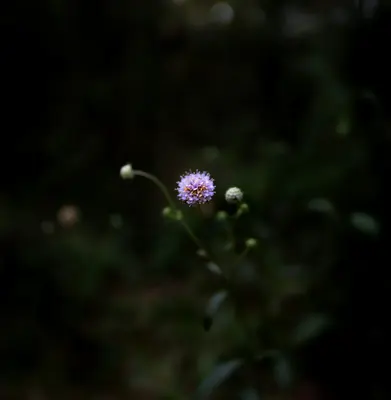
Part of the Russell Hybrids 'Band of Nobles' series. Chatelaine has sweetly scented bicolor blooms in shades of pink with white. Plants produce multiple blooms with stiff, straight stems. In our trials, these first-year flowering plants bloomed in early July in the first year and about a month earlier (early June) from well-established plants in the second season of growing. Bloom quality and productivity were better in the second season, although all plants did produce flowers in the first season. Performs best where summers are cool. Attracts and provides a food source for bees and hummingbirds. 1-2' blooms/spikes are densely covered with ½" pea-like flowers. Lupine is typically resistant to deer and rabbits. Perennial in Zones 4-8.
Harvest
150-190d
Days to harvest
Sun
Full sun to partial shade
Zones
4–9
USDA hardiness
Height
3-4 feet
Planting Timeline
Showing dates for Chatelaine in USDA Zone 7
All Zone 7 flower →Zone Map
Click a state to update dates
Chatelaine · Zones 4–9
Growing Details
Complete Growing Guide
Part of the Russell Hybrids 'Band of Nobles' series. Chatelaine has sweetly scented bicolor blooms in shades of pink with white. Plants produce multiple blooms with stiff, straight stems. In our trials, these first-year flowering plants bloomed in early July in the first year and about a month earlier (early June) from well-established plants in the second season of growing. Bloom quality and productivity were better in the second season, although all plants did produce flowers in the first season. Performs best where summers are cool. Attracts and provides a food source for bees and hummingbirds. 1-2' blooms/spikes are densely covered with ½" pea-like flowers. Lupine is typically resistant to deer and rabbits. Perennial in Zones 4-8. According to Johnny's Selected Seeds, Chatelaine is 150 - 190 days to maturity, perennial, open pollinated. Notable features: Heirloom, Grows Well in Containers, Use for Cut Flowers and Bouquets, Fragrant, Attracts Beneficial Insects.
Light: Full sun (6 or more hours of direct sunlight a day), Partial Shade (Direct sunlight only part of the day, 2-6 hours). Soil: High Organic Matter, Loam (Silt). Soil pH: Acid (<6.0). Drainage: Good Drainage, Moist. Height: 3 ft. 0 in. - 4 ft. 0 in.. Spread: 1 ft. 6 in. - 2 ft. 0 in.. Maintenance: Medium. Propagation: Seed, Stem Cutting. Regions: Mountains.
Harvesting
Chatelaine reaches harvest at 150 - 190 days from sowing per Johnny's Selected Seeds.
Elongated, flattened pod.
Type: Capsule.
Storage & Preservation
Chatelaine lupine flowers are best enjoyed fresh and do not require storage for long periods. Cut blooms should be placed in cool water immediately after cutting and kept in a cool location (50-60°F) away from direct sunlight and ripening fruit, which produce ethylene gas that shortens vase life. Fresh cut flowers typically last 7-10 days with regular water changes. For preservation, air-dry flower spikes by hanging them upside down in a warm, dry, well-ventilated space away from direct sunlight for 2-3 weeks, then store in airtight containers. Alternatively, press individual flowers between parchment paper under heavy books for 2-3 weeks for floral crafts and arrangements.
History & Origin
Chatelaine is open-pollinated, meaning seed saved from healthy plants will produce true-to-type offspring. Listed in the Johnny's Selected Seeds catalog.
Origin: America, Mediterranean to Tanzania
Advantages
- +Bicolor pink and white flowers with sweet fragrance attract bees and hummingbirds
- +Flowers in first year; blooms earlier and more prolifically in year two
- +Stiff, straight stems produce multiple 1-2 foot spikes densely packed with blooms
- +Deer and rabbit resistant perennial thrives in Zones 4-8 with cool summers
- +Easy to grow with relatively low maintenance requirements for gardeners
Considerations
- -Requires cool summer temperatures; struggles in hot, humid climates
- -Performs best in well-established plants; first-year bloom quality noticeably inferior
- -Lupines prefer specific soil conditions and may decline in poor drainage
- -Extended 150-190 day growing season limits options in short-season regions
Companion Plants
Marigolds and sweet alyssum are worth planting near Chatelaine because both attract ground beetles and parasitic wasps that keep aphid pressure down — and lupines pull a fair number of aphids when they're pushing new growth in spring. Catmint and lavender bring in pollinators during the lupine bloom window without competing hard for water once established, since both tolerate drier conditions than lupines prefer. Nasturtiums planted a foot or two away act as a decent trap crop; aphids pile onto them first and tend to stay there long enough to matter.
Black walnut is the most serious problem in this list — juglone, the compound leaching from its roots and decomposing hulls, is phytotoxic to lupines at close range, and no amount of good soil prep offsets it. Give any established walnut at least 20–25 feet of clearance. Sunflowers are a subtler issue: they produce allelopathic compounds that stunt nearby plants and send roots down to the same 12–18 inch depth that lupines occupy, so the two end up fighting for both chemistry and space.
Plant Together
Marigolds
Repel aphids, whiteflies, and nematodes while attracting beneficial insects
Lavender
Deters pests like moths and beetles while attracting pollinators
Sweet Alyssum
Attracts beneficial insects like lacewings and provides ground cover
Nasturtiums
Act as trap crops for aphids and cucumber beetles
Zinnia
Attracts butterflies and beneficial predatory insects
Cosmos
Attracts beneficial insects and provides structural support
Catmint
Repels ants, aphids, and rodents while attracting pollinators
Chives
Repels aphids and improves overall plant health
Keep Apart
Black Walnut
Produces juglone which is toxic to many flowering plants
Eucalyptus
Releases allelopathic compounds that inhibit nearby plant growth
Sunflowers
Can stunt growth of nearby plants through allelopathy and resource competition
Pests & Disease Resistance
Diseases
Powdery mildew, leaf spot
Troubleshooting Chatelaine
What you'll see, why it happens, and what to do about it.
White powdery coating on leaves and stems, usually showing up mid-summer after the first flush of blooms
Likely Causes
- Powdery mildew (Erysiphe polygoni or related species) — thrives in warm days and cool nights with poor airflow
- Overcrowded planting that traps humidity around the foliage
What to Do
- 1.Cut the plant back hard after blooming — lupines often rebound with cleaner foliage, and removing infected material helps more than any spray
- 2.Space plants at least 18 inches apart; if they're already in the ground and crowded, thin aggressively next spring
- 3.A diluted potassium bicarbonate spray (1 tablespoon per gallon of water) applied weekly can slow spread on plants you want to keep looking presentable
Brown or tan spots with darker margins appearing on leaves, sometimes spreading to cover most of the leaf surface by late summer
Likely Causes
- Leaf spot (Cercospora or Ramularia species) — fungal, moves fast in wet seasons or when plants are watered overhead
- Waterlogged soil or clay-heavy beds that keep the root zone and lower canopy consistently damp
What to Do
- 1.Switch to drip irrigation or water at the base — keeping foliage dry is the single most effective prevention
- 2.Strip and bin (don't compost) any heavily spotted leaves as soon as you see them
- 3.Improve drainage if the bed stays soggy; lupines tolerate regular moisture but won't survive standing water
Plant blooms well in year one, then comes back sparse or fails to reappear by year three
Likely Causes
- Natural short lifespan — Lupinus polyphyllus is technically perennial but behaves more like a short-lived one, often declining after 3-4 years
- Crown rot from poorly drained soil, especially over winter
What to Do
- 1.Treat Chatelaine as a 3-year plant and start fresh seedlings every other year to keep a continuous display going
- 2.Deadhead spent flower spikes promptly to direct energy back to the crown rather than seed production
- 3.If the crown is mushy at ground level in spring, the plant is done — pull it, improve drainage, and replant in a different spot
Frequently Asked Questions
How long do Chatelaine lupine flowers last in a vase?▼
Is Chatelaine lupine good for beginning gardeners?▼
Can you grow Chatelaine lupine in containers?▼
When should I plant Chatelaine lupine seeds?▼
How much sunlight does Chatelaine lupine need?▼
What makes Chatelaine lupine different from other lupine varieties?▼
Zone-by-Zone Planting Calendar
| Zone | Indoor Start | Transplant | Direct Sow | Harvest |
|---|---|---|---|---|
| Zone 3 | April – May | June – July | June – August | — |
| Zone 4 | March – April | June – June | June – July | — |
| Zone 5 | March – April | May – June | May – July | — |
| Zone 6 | March – April | May – June | May – July | — |
| Zone 7 | February – March | April – May | April – June | — |
| Zone 8 | February – March | April – May | April – June | — |
| Zone 9 | January – February | March – April | March – May | — |
| Zone 10 | January – January | February – March | February – April | — |
| Zone 1 | May – June | July – August | July – September | — |
| Zone 2 | April – May | June – July | June – August | — |
| Zone 11 | January – January | January – February | January – March | — |
| Zone 12 | January – January | January – February | January – March | — |
| Zone 13 | January – January | January – February | January – March | — |
Growing Guides from Wind River Greens
Sources & References
External authority sources used in compiling this guide.
- BreederJohnny's Selected Seeds
See the Methodology page for how this data is sourced, what's AI-assisted, and known limitations.