White Turtlehead
Chelone glabra
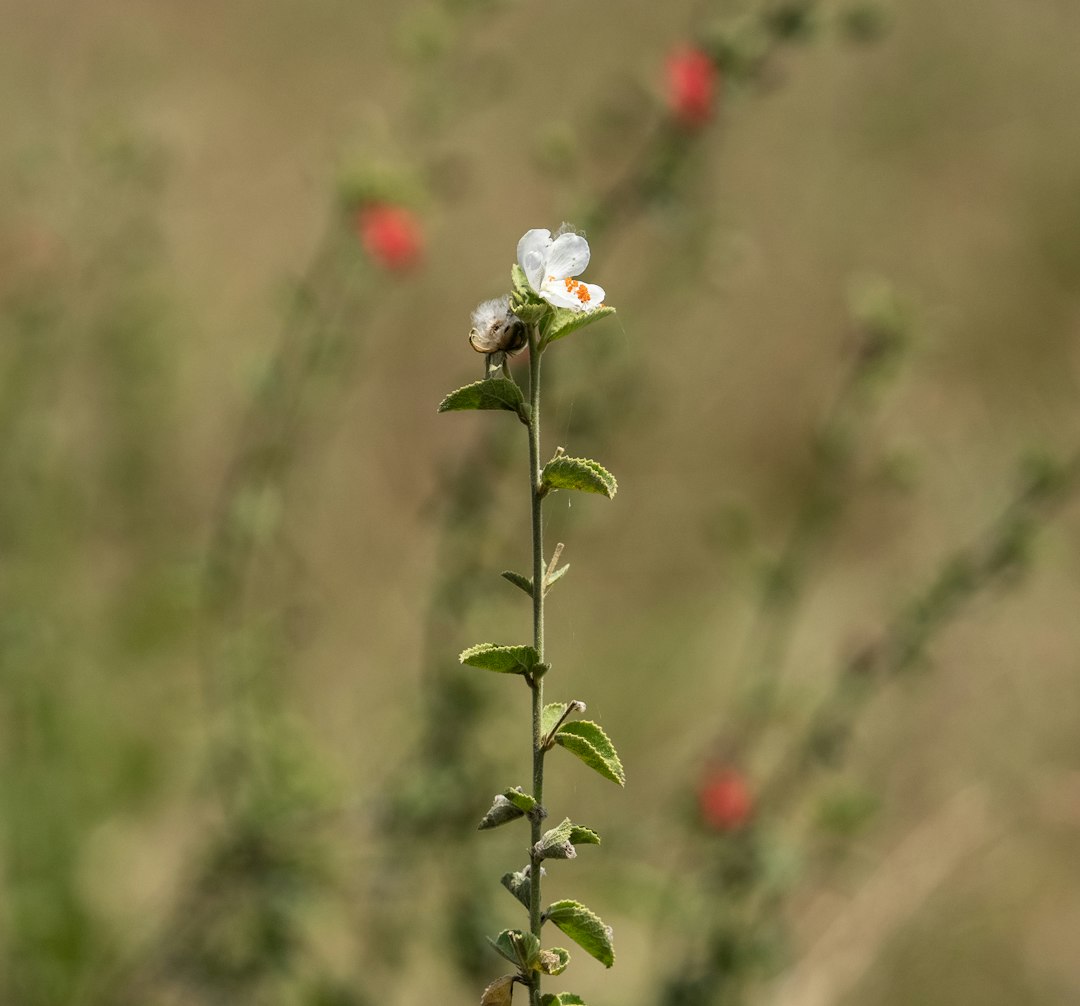
White Turtlehead (Chelone glabra) is a perennial native wildflower. Hardy in USDA zones 3 to 8. Prefers full sun.
Sun
Full sun to partial shade
Zones
3–8
USDA hardiness
Height
1-3 feet
Planting Timeline
Showing dates for White Turtlehead in USDA Zone 7
All Zone 7 native-wildflower →Zone Map
Click a state to update dates
White Turtlehead · Zones 3–8
Growing Details
Complete Growing Guide
White Turtlehead thrives where most perennials sulk: in consistently moist, even boggy soil along stream banks, rain gardens, and pond edges. When choosing a site, prioritize moisture retention over sun exposure. While it tolerates full sun in cooler northern zones (3-5), it performs best with morning sun and afternoon shade in zones 6-8, where hot afternoons can scorch foliage if soil dries out.
Prepare your planting area by working 2-3 inches of compost or well-rotted leaf mold into the top 8 inches of soil. Turtlehead loves rich, humusy ground with a slightly acidic to neutral pH (5.5-7.0). If your soil drains too quickly, amend generously with peat moss or coconut coir to improve water retention. Heavy clay is actually fine — embrace it.
Starting from seed requires patience. Seeds need cold-moist stratification for 60-90 days, so either sow them outdoors in fall and let winter do the work, or refrigerate moist seeds in a labeled bag from December through February before sowing indoors. Germination is slow and uneven, taking 2-4 weeks at 65-70°F. Most gardeners find it easier to start with nursery divisions or established plants.
Transplant in spring after the soil warms, spacing plants 18-24 inches apart to allow air circulation — crowded turtlehead is prone to powdery mildew in late summer. Water deeply at planting and maintain consistent moisture through the first growing season; this plant has zero drought tolerance.
Fertilizing is rarely necessary in rich soil. If growth seems weak, top-dress with compost in early spring rather than using synthetic fertilizers, which can produce floppy stems. Speaking of floppy: if your plants flop after heavy rain or in too much shade, pinch stems back by one-third in late May or early June (the 'Chelsea chop'). This produces bushier, self-supporting plants with more flower spikes, though bloom time is delayed by about a week.
Common mistakes include planting in dry sites, allowing soil to dry out during establishment, and over-dividing. Turtlehead resents disturbance and may sulk for a season after division. Divide only every 4-5 years in early spring, and only if clumps are dying out in the center.
In zones 3-4, mulch crowns with 2-3 inches of shredded leaves after the ground freezes to prevent frost heaving. In warmer zones, a thinner mulch year-round helps maintain the cool, moist root zone this plant craves. Cut back spent stems in late fall or leave them standing through winter for visual interest and to provide overwintering habitat for native bees.
Harvesting
White Turtlehead is grown as an ornamental and ecological plant rather than for harvest, but you can cut stems for fresh floral arrangements or collect seed for propagation. For cut flowers, harvest in early morning when stems are fully hydrated, selecting spikes where the lowest 2-3 florets have just opened — the upper buds will continue opening in the vase over 7-10 days. Cut stems at a 45-degree angle with sharp, clean pruners, leaving at least two sets of leaves on the plant to support continued growth.
For seed collection, wait until late September or October when the woody seed capsules turn brown and begin to split open at the tips. Snip entire seed heads into a paper bag and let them finish drying indoors for 1-2 weeks. The tiny winged seeds will release as capsules fully open. Avoid harvesting seed in wet weather, as moisture promotes mold during storage.
Storage & Preservation
Cut turtlehead stems last 7-10 days in a clean vase with fresh water changed every 2-3 days; recut stems underwater each time and add floral preservative to extend vase life. Store cut stems in a cool room (60-65°F) away from direct sun and ripening fruit, which releases ethylene and shortens bloom life.
For seed preservation, store fully dried seeds in paper envelopes inside an airtight container with silica gel packets. Keep refrigerated at 35-40°F, where viability is maintained for 2-3 years. Label envelopes with the collection date and source location. Seeds can also be sown immediately in outdoor nursery beds in fall, where natural stratification produces strong spring germination without indoor refrigeration.
History & Origin
Chelone glabra is a true North American native with a range extending from Newfoundland and Manitoba south to Georgia and Mississippi, naturally inhabiting wet meadows, swamps, stream banks, and forest seeps. The genus name Chelone comes from the Greek word for tortoise, referring to the flower's resemblance to a turtle's head — a reference recorded by Linnaeus when he formally described the genus in 1753.
Indigenous peoples, including the Cherokee, Iroquois, and Abenaki, used white turtlehead medicinally for centuries. It appeared in 19th-century American herbal medicine as 'balmony' or 'snakehead,' valued as a bitter tonic for liver complaints, jaundice, and as a vermifuge. Eclectic physicians prescribed it well into the early 1900s.
Ecologically, the plant gained renewed attention in the late 20th century as the obligate host plant for the Baltimore checkerspot butterfly (Euphydryas phaeton), Maryland's state insect. As wetland habitat declined, so did both species, prompting native plant societies to actively promote turtlehead planting in conservation gardens and restored wetlands.
Advantages
- +Sole larval host plant for the threatened Baltimore checkerspot butterfly
- +Thrives in wet, poorly drained sites where most perennials fail
- +Late-season bloom (August-October) fills the post-summer flower gap
- +Deer and rabbit resistant due to bitter foliage compounds
- +Hardy to zone 3 with no winter protection needed in most regions
- +Long-lived clumps persist for decades without division
- +Attracts native bumblebees, the primary and nearly exclusive pollinator
Considerations
- -Zero drought tolerance — wilts and crisps quickly in dry soil
- -Prone to powdery mildew in late summer if air circulation is poor
- -Slow to establish from seed, requiring cold stratification and patience
- -May flop without staking or pinching in shadier sites
- -Resents division and transplanting once established
Companion Plants
White Turtlehead tells you what it wants by where it grows natively — stream banks, boggy meadow edges, shaded wet spots. Its best companions share that same preference. Cardinal Flower (Lobelia cardinalis) and Blue Lobelia (Lobelia siphilitica) are the most natural pairings: both want consistently moist soil and part shade, both bloom in that same late-summer window, and together they pull hummingbirds and native bumblebees through the same 6-8 square feet. Astilbe slots in well too — its fibrous roots stay relatively shallow and don't muscle out the Chelone, and the feathery foliage gives you textural contrast without shading the stems. Ferns and Wild Ginger work as groundcover underneath, holding soil moisture and suppressing weeds without competing for vertical light. In our zone 7 Georgia gardens, Jewelweed (Impatiens capensis) often volunteers right alongside Chelone glabra in wet spots — that's not coincidence, it's an ecological relationship that goes back to shared creek-bank habitat, and it's worth leaning into rather than weeding out.
The harmful companions are harmful for one simple reason: soil moisture incompatibility. Lavender and Lamb's Ear are Mediterranean plants engineered by centuries of dry summers and sharp drainage; putting either next to a plant that needs its roots consistently damp means one of them struggles, and gardeners usually blame the wrong one. Black Walnut (Juglans nigra) is a different problem — it produces juglone, an allelopathic compound that interferes with root respiration in susceptible plants. Chelone glabra's specific tolerance hasn't been well documented by NC State Extension or elsewhere, so the practical advice is to keep it well outside the canopy drip line rather than find out the hard way.
Plant Together
Cardinal Flower
Shares similar moisture requirements and attracts hummingbirds alongside turtlehead
Blue Lobelia
Thrives in same wet conditions and provides complementary blue color
Astilbe
Enjoys similar shade and moist soil conditions, adds feathery texture contrast
Jewelweed
Natural companion in wet areas, attracts beneficial pollinators
Wild Ginger
Provides ground cover in shade while sharing moisture preferences
Ferns
Create natural woodland understory environment that turtlehead prefers
Monarda
Attracts same pollinators and tolerates moist conditions
Hosta
Shares shade and moisture requirements, provides broad leaf contrast
Keep Apart
Black Walnut
Produces juglone which inhibits growth of most native wildflowers
Lamb's Ear
Requires dry conditions opposite to turtlehead's moisture needs
Lavender
Prefers dry, well-drained soil incompatible with turtlehead's wet habitat
Pests & Disease Resistance
Common Pests
Generally pest-free; occasionally aphids, slugs on young growth
Diseases
Powdery mildew, leaf spot in poor air circulation
Troubleshooting White Turtlehead
What you'll see, why it happens, and what to do about it.
White powdery coating on upper leaf surfaces, usually showing up mid-to-late summer when nights cool and humidity lingers
Likely Causes
- Powdery mildew (Erysiphe or Golovinomyces spp.) — thrives when airflow is restricted and temperatures swing between warm days and cool nights
- Plants spaced too close together, blocking air movement through the clump
What to Do
- 1.Cut affected stems back by a third; this won't kill the plant and gives the remaining growth a fighting chance
- 2.Thin the clump if plants are closer than 18 inches — spacing matters more here than any spray treatment
- 3.A diluted neem oil solution (2 tsp per gallon of water) applied every 7-10 days can slow spread on remaining healthy leaves
Brown or tan irregular spots on leaves, sometimes with a yellow halo, appearing on lower foliage first
Likely Causes
- Fungal leaf spot (Cercospora or Septoria spp.) — common in wet summers where overhead watering or rain keeps foliage damp for extended periods
- Poor siting in a low-lying area with little drainage or airflow
What to Do
- 1.Strip spotted leaves and bag them — don't compost them
- 2.Water at the base of the plant, not overhead, and water in the morning so foliage dries before nightfall
- 3.If the same bed gets leaf spot every year, move a division somewhere with better airflow; Chelone glabra divides easily in early spring
Ragged holes chewed in young leaves and stems, mostly on new growth in spring or after transplanting
Likely Causes
- Slugs (Deroceras reticulatum or similar) — especially active in cool, moist conditions under dense shade or heavy mulch
- Young transplants are most vulnerable; established plants are rarely seriously damaged
What to Do
- 1.Set out iron phosphate bait (Sluggo or equivalent) around the base of plants — safe around wildlife and pets
- 2.Pull mulch back 3-4 inches from the crown until new growth hardens off
- 3.Check under leaves and debris at dusk with a flashlight; hand-pick and drop into soapy water if populations are high
Soft, distorted new growth at stem tips, sometimes with sticky residue or ants moving up and down the stem
Likely Causes
- Aphid colonies (commonly green peach aphid, Myzus persicae, or generalist species) — usually a minor and temporary problem on Chelone glabra
- Ants farming aphids for honeydew, which can extend an infestation well past the point it would otherwise collapse on its own
What to Do
- 1.Knock aphids off with a firm spray from a hose; repeat every 2-3 days for two weeks
- 2.If ants are present, apply a sticky barrier (Tanglefoot) on the lower stem to cut off their access — without the ants running interference, ladybugs and parasitic wasps usually clean up the rest
- 3.Hold off on any nitrogen fertilizer; lush, soft growth is exactly what aphids want
Frequently Asked Questions
Is White Turtlehead invasive?▼
Can White Turtlehead grow in containers?▼
When does White Turtlehead bloom?▼
What's the difference between white turtlehead and pink turtlehead?▼
Is White Turtlehead good for beginners?▼
Do deer eat White Turtlehead?▼
Zone-by-Zone Planting Calendar
Growing Guides from Wind River Greens
Sources & References
External authority sources used in compiling this guide.
- ExtensionNC State Extension
See the Methodology page for how this data is sourced, what's AI-assisted, and known limitations.