Green Shiso
Perilla frutescens
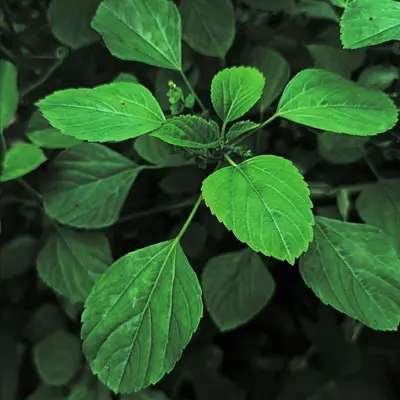
Distinct cinnamon/clove flavor and aroma with the spiciness of cumin. Used in Asian cooking, sushi, and salad mix. Also known as perilla. Edible Flowers: The flowers are a flavorful addition to salads and Asian dishes. Pairs well with fish, rice, noodles, and cucumbers. The minty, basil-like flavor has hints of clove and cumin.
Harvest
80-85d
Days to harvest
Sun
Full sun to partial shade
Zones
10–11
USDA hardiness
Height
1-3 feet
Planting Timeline
Showing dates for Green Shiso in USDA Zone 7
All Zone 7 herb →Zone Map
Click a state to update dates
Green Shiso · Zones 10–11
Growing Details
Succession Planting
Shiso produces continuously once it's established, but the harvest window closes fast when the plant shifts to flower — leaf quality drops within a week of bolting, and the stems go woody. To keep fresh leaves coming, stagger indoor sowings every 3 weeks from February through March, then transplant out from April through early June. Pinch flower heads the moment they appear to hold the plant in leaf production mode. In zone 7, a second round started indoors in late June and moved outside in mid-July will typically carry through November before hard frost ends it.
Complete Growing Guide
Distinct cinnamon/clove flavor and aroma with the spiciness of cumin. Used in Asian cooking, sushi, and salad mix. Also known as perilla. Edible Flowers: The flowers are a flavorful addition to salads and Asian dishes. Pairs well with fish, rice, noodles, and cucumbers. The minty, basil-like flavor has hints of clove and cumin. According to Johnny's Selected Seeds, Green Shiso is 80 - 85 days to maturity, annual, open pollinated. Notable features: Use for Cut Flowers and Bouquets, Edible Flowers.
Light: Full sun (6 or more hours of direct sunlight a day), Partial Shade (Direct sunlight only part of the day, 2-6 hours). Soil: High Organic Matter. Drainage: Good Drainage, Occasionally Wet. Height: 1 ft. 0 in. - 3 ft. 0 in.. Spread: 0 ft. 3 in. - 1 ft. 6 in.. Spacing: Less than 12 inches. Growth rate: Rapid. Maintenance: High. Propagation: Seed. Regions: Coastal, Mountains, Piedmont.
Harvesting
Green Shiso reaches harvest at 80 - 85 days from sowing per Johnny's Selected Seeds. As an annual, harvest continues until frost ends the season.
.06 inch reticulate nutlet gray-brown
Color: Brown/Copper, Gray/Silver. Length: < 1 inch. Width: < 1 inch.
Edibility: Leaves as a salad herb, flavoring
Storage & Preservation
Freshly harvested green shiso leaves keep best at 32–40°F in a perforated plastic bag or paper towel-lined container, maintaining 85–90% humidity. Expect a shelf life of 7–10 days before leaves begin to yellow and lose their peppery bite. Freezing works well: blanch leaves briefly, pat dry, layer between parchment, and freeze in airtight containers for up to six months. Drying is equally effective—hang bundles in a warm, dark space or use a low dehydrator setting (95–105°F) until crispy, then crumble and store in glass jars. Fermentation amplifies shiso's complex flavor; pack leaves with salt (about 5% by weight) in a jar for 2–3 weeks under weight. A gardener's trick: freeze leaves in ice cube trays with neutral oil or broth; these cubes thaw quickly and preserve both color and aroma better than dry storage alone.
History & Origin
Green Shiso is open-pollinated, meaning seed saved from healthy plants will produce true-to-type offspring. Listed in the Johnny's Selected Seeds catalog.
Origin: Himalayas to Southeast Asia
Advantages
- +Distinctive cinnamon-clove flavor elevates Asian dishes and sushi presentations
- +Edible flowers provide dual culinary use for salads and garnishes
- +Versatile pairing with fish, rice, noodles, and cucumber dishes
- +Easy cultivation makes it ideal for beginner herb gardeners
- +Relatively quick maturation at 80-85 days for regular harvesting
Considerations
- -Tends to bolt quickly in hot weather, reducing leaf quality
- -Self-seeds aggressively, potentially becoming invasive in garden beds
- -Requires consistent moisture and may struggle in dry conditions
Companion Plants
Shiso slots in well with tomatoes, peppers, and eggplant — not because of any proven pest-repelling chemistry, but because they all want the same warm soil, similar watering cadence, and full sun, so managing one bed covers all of them. NC State Extension notes that mixing plant families slows pest spread by breaking up solid blocks of a single crop, and shiso at 12–18 inches apart does that without crowding its neighbors. Fennel and rue both release allelopathic compounds that can suppress nearby plants, so keep at least 2–3 feet of separation. Around here in the Georgia piedmont, tucking a row of lettuce along the north edge of a shiso planting in late spring buys the lettuce another 10–14 days before it bolts — the 1–3 foot shiso canopy throws just enough afternoon shade to take the edge off the heat.
Plant Together
Tomatoes
Shiso repels hornworms and other tomato pests while benefiting from similar growing conditions
Peppers
Shiso's strong scent deters aphids and spider mites that commonly attack pepper plants
Eggplant
Natural pest deterrent for flea beetles and other nightshade family pests
Cucumber
Shiso helps repel cucumber beetles and attracts beneficial insects for pollination
Beans
Beans fix nitrogen in soil benefiting shiso, while shiso repels bean beetles
Lettuce
Provides light shade for cool-season lettuce and deters slugs with aromatic oils
Marigolds
Both plants repel nematodes and work together to create a pest-resistant environment
Cilantro
Similar water and soil requirements, both attract beneficial insects like parasitic wasps
Keep Apart
Black Walnut
Produces juglone toxin that inhibits growth of most herbs including shiso
Fennel
Allelopathic properties inhibit growth of nearby plants including aromatic herbs
Rue
Strong allelopathic effects that can stunt growth of neighboring herbs and vegetables
Nutrition Facts
Per 100g serving. % Daily Value based on 2,000 calorie diet. Source: USDA FoodData Central (FDC #172232)
Troubleshooting Green Shiso
What you'll see, why it happens, and what to do about it.
Seedlings collapse at the soil line within the first 7-14 days after germination, stems look pinched and black at the base
Likely Causes
- Damping off — typically Pythium or Rhizoctonia species thriving in cold, waterlogged starting mix
- Overwatering combined with poor drainage in seed trays
What to Do
- 1.Toss the affected tray — there's no saving damped-off seedlings, and the pathogen stays in that mix
- 2.Start fresh with a sterile seed-starting mix, not garden soil, and water only when the surface is dry to the touch
- 3.Improve airflow around your seedling setup; a small fan running a few hours a day cuts the humidity that Pythium needs to spread
Leaves develop small dark spots or look dull and stippled, and the plant seems to stall in growth during hot, dry stretches
Likely Causes
- Spider mite (Tetranychus urticae) feeding — populations explode in dry conditions above 85°F
- Inconsistent watering stressing the plant and lowering its ability to outgrow pest damage, per NC State Extension's IPM guidance on plant health
What to Do
- 1.Spray the undersides of leaves hard with water — that's where the mites are, and a strong blast knocks a large portion off
- 2.Mulch the root zone and water consistently; shiso that's drought-stressed invites heavier infestations
- 3.For heavy colonies, apply insecticidal soap or neem oil in the evening to reduce leaf burn risk
Frequently Asked Questions
How long does it take to grow Green Shiso from seed to harvest?▼
Is Green Shiso good for beginner gardeners?▼
Can you grow Green Shiso in containers?▼
What does Green Shiso taste like?▼
When should I plant Green Shiso?▼
Are the flowers of Green Shiso edible?▼
Zone-by-Zone Planting Calendar
| Zone | Indoor Start | Transplant | Direct Sow | Harvest |
|---|---|---|---|---|
| Zone 11 | January – January | January – March | — | March – December |
| Zone 3 | April – May | June – July | — | July – October |
| Zone 4 | March – April | June – July | — | July – October |
| Zone 5 | March – April | May – June | — | June – October |
| Zone 6 | March – April | May – June | — | June – November |
| Zone 7 | February – March | April – June | — | June – November |
| Zone 8 | February – March | April – May | — | May – December |
| Zone 9 | January – February | March – April | — | April – December |
| Zone 10 | January – January | February – April | — | April – December |
Growing Guides from Wind River Greens
Sources & References
External authority sources used in compiling this guide.
- BreederJohnny's Selected Seeds
- USDAUSDA FoodData Central
See the Methodology page for how this data is sourced, what's AI-assisted, and known limitations.