Potomac Royal
Antirrhinum majus
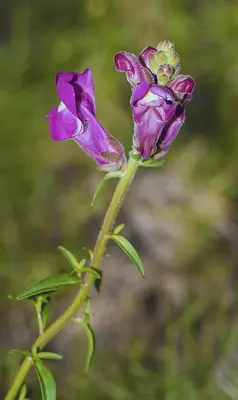
Deep rose-colored blooms for field or greenhouse production. Group 3-4: Warm season snapdragons are bred for optimal performance under long days, high light levels, and warm temperatures. Edible Flowers: The flowers are a colorful garnish for use in salads, desserts, and drinks. The flavor is floral and slightly bitter, so use sparingly.
Harvest
110-120d
Days to harvest
Sun
Full sun to partial shade
Zones
7–10
USDA hardiness
Height
0-3 feet
Planting Timeline
Showing dates for Potomac Royal in USDA Zone 7
All Zone 7 flower →Zone Map
Click a state to update dates
Potomac Royal · Zones 7–10
Growing Details
Succession Planting
Potomac Royal snapdragons produce continuously once they hit their stride, but the plants do run out of steam — they tend to go leggy and drop in flower quality after about 10–12 weeks of cutting. Starting a second round of seeds indoors 6–8 weeks after your first sowing gives you a follow-up flush to slot in as the first ones fade. In zone 7, that means a February start for spring transplants and a late March or early April start to carry you into summer.
One thing to keep in mind: snapdragons slow down hard once daytime highs are consistently above 85°F. Summer succession sowings aren't going to perform the way your spring ones did. You're better off treating the hottest weeks as a gap and starting a fall round indoors in late July — those plants will come back into form as temperatures drop below 80°F in September and often carry well into November.
Complete Growing Guide
Deep rose-colored blooms for field or greenhouse production. Group 3-4: Warm season snapdragons are bred for optimal performance under long days, high light levels, and warm temperatures. Edible Flowers: The flowers are a colorful garnish for use in salads, desserts, and drinks. The flavor is floral and slightly bitter, so use sparingly. According to Johnny's Selected Seeds, Potomac Royal is 110 - 120 days to maturity, annual, hybrid (f1). Notable features: Easy Choice, Greenhouse Performer, Use for Cut Flowers and Bouquets, Edible Flowers, Fragrant.
Light: Full sun (6 or more hours of direct sunlight a day), Partial Shade (Direct sunlight only part of the day, 2-6 hours). Soil: High Organic Matter. Drainage: Good Drainage. Height: 0 ft. 6 in. - 3 ft. 0 in.. Spread: 0 ft. 6 in. - 0 ft. 10 in.. Spacing: Less than 12 inches. Growth rate: Medium. Maintenance: Medium.
Harvesting
Potomac Royal reaches harvest at 110 - 120 days from sowing per Johnny's Selected Seeds. As an annual, harvest continues until frost ends the season.
A capsule, half hidden by calyx lobes, short-beaked.
Type: Capsule. Length: 1-3 inches.
Storage & Preservation
Fresh cut Potomac Royal snapdragon stems last 7-10 days in a vase with fresh, cool water changed every 2-3 days. Remove lower foliage below the waterline, recut stems at a 45-degree angle, and add flower food if available. Store in a cool location away from direct sunlight and ripening fruit.
For edible flower garnishes, refrigerate freshly harvested florets in a paper towel-lined container at 35-40°F for up to 2-3 days. Don't store in sealed plastic, which promotes mold.
To preserve snapdragon flowers for longer-term use, dry them by hanging bundles upside down in a warm, dry, dark location with good air circulation for 2-3 weeks. Dried snapdragons retain their color well and work beautifully in arrangements or craft projects. Alternatively, freeze edible flowers individually on a tray before transferring to freezer bags; they'll last 6-8 months but become delicate when thawed, so use them in beverages or as garnishes rather than as whole flowers.
History & Origin
Potomac Royal is an F1 hybrid developed through controlled cross-pollination. Listed in the Johnny's Selected Seeds catalog.
Origin: Southwestern Europe
Advantages
- +Deep rose blooms provide striking visual appeal for field arrangements
- +Performs excellently in warm season conditions with long daylight hours
- +Edible flowers offer unique culinary garnish options for upscale dining
- +Easy difficulty level makes it suitable for novice and commercial growers
- +110-120 day maturity allows reasonable production timeline for market demands
Considerations
- -Floral, bitter flavor requires minimal use to avoid overwhelming dishes
- -Snapdragons susceptible to rust and powdery mildew in humid conditions
- -Requires consistent warm temperatures and high light for optimal performance
- -Dense planting increases disease pressure and reduces air circulation significantly
Companion Plants
Marigolds and alyssum are the two companions worth prioritizing if you're only picking a couple. Marigolds (particularly Tagetes patula) emit compounds from their roots that suppress certain soil nematodes, and their scent interferes with the host-finding behavior of aphids and whiteflies that would otherwise settle on your snapdragons. Alyssum does something different — its tiny flowers run nearly all season and pull in hoverflies and parasitic wasps that actively prey on the soft-bodied insects snapdragons tend to collect. Run alyssum as a low border within 12–18 inches of your snapdragon rows and it does real work.
Lavender and sage both draw pollinators without competing aggressively for soil moisture. They're taller and woodier than alyssum, which helps break up what would otherwise look like a flat annual bed. Zinnias and cosmos can share a bed with Potomac Royal without issue — similar water and sun needs, and at 2–3 feet they won't shade the snapdragons out.
Sunflowers are the one to keep away. They're allelopathic — they release growth-inhibiting compounds from their roots and from decomposing plant material, and snapdragons are sensitive enough that you'll see it in stunted stems and poor flower set. Give sunflowers at least 6–8 feet of buffer. Black walnut (Juglans nigra) is a harder stop: it produces juglone, a well-documented inhibitor that persists in the soil, and snapdragons planted anywhere inside the canopy drip line tend to stall out and never recover.
Plant Together
Marigolds
Repels nematodes, aphids, and whiteflies while attracting beneficial insects
Lavender
Deters pests with fragrance and attracts pollinators and beneficial insects
Alyssum
Attracts beneficial insects like hoverflies and provides ground cover
Nasturtiums
Acts as trap crop for aphids and cucumber beetles, repels squash bugs
Petunias
Repels aphids, tomato hornworms, and other garden pests
Zinnias
Attracts beneficial insects and pollinators, provides companion blooming
Cosmos
Attracts beneficial insects and provides habitat for predatory insects
Sage
Repels cabbage moths, carrot flies, and other pests with aromatic oils
Keep Apart
Black Walnut
Produces juglone toxin that inhibits growth and can kill many flowers
Eucalyptus
Allelopathic compounds suppress growth of nearby plants
Sunflowers
Allelopathic effects can inhibit germination and growth of other flowers
Pests & Disease Resistance
Common Pests
Aphids, spider mites, whiteflies
Diseases
Powdery mildew, rust, damping off
Troubleshooting Potomac Royal
What you'll see, why it happens, and what to do about it.
White powdery coating on leaves and stems, usually starting on upper leaf surfaces sometime after the plant reaches 12–18 inches tall
Likely Causes
- Powdery mildew (Erysiphe antirrhini) — a fungal pathogen that thrives in warm days combined with cool, humid nights
- Poor airflow from crowded planting or walls blocking circulation
What to Do
- 1.Strip and trash the worst-affected leaves; don't compost them
- 2.Space plants at least 12 inches apart — closer than that and you're asking for it
- 3.Apply a diluted neem oil spray (2 tsp per quart of water with a few drops of dish soap) every 7 days until symptoms stop spreading
Clusters of tiny soft-bodied insects on new growth and flower buds, stems sometimes sticky or curled, around weeks 4–8 after transplant
Likely Causes
- Aphids (commonly Myzus persicae or Aphis gossypii) — they zero in on tender new growth, especially during warm dry stretches
- Absence of natural predators, often because nothing nearby is attracting beneficial insects
What to Do
- 1.Knock aphids off with a firm spray of water from a hose — do this in the morning so foliage dries before nightfall
- 2.Plant alyssum within 18 inches of your snapdragons; it draws in parasitic wasps that will work the aphid population down on their own
- 3.If the infestation is heavy, apply insecticidal soap directly to the colonies every 4–5 days for two weeks
Frequently Asked Questions
How long does Potomac Royal snapdragon take to grow from seed to flowers?▼
Is Potomac Royal snapdragon good for beginners?▼
Can you grow Potomac Royal snapdragons in containers or pots?▼
What do Potomac Royal snapdragon flowers taste like?▼
When should I plant Potomac Royal snapdragon seeds indoors?▼
Why is my Potomac Royal snapdragon not flowering continuously?▼
Zone-by-Zone Planting Calendar
| Zone | Indoor Start | Transplant | Direct Sow | Harvest |
|---|---|---|---|---|
| Zone 1 | May – June | July – August | July – September | — |
| Zone 2 | April – May | June – July | June – August | — |
| Zone 11 | January – January | January – February | January – March | — |
| Zone 12 | January – January | January – February | January – March | — |
| Zone 13 | January – January | January – February | January – March | — |
| Zone 3 | April – May | June – July | June – August | — |
| Zone 4 | March – April | June – June | June – July | — |
| Zone 5 | March – April | May – June | May – July | — |
| Zone 6 | March – April | May – June | May – July | — |
| Zone 7 | February – March | April – May | April – June | — |
| Zone 8 | February – March | April – May | April – June | — |
| Zone 9 | January – February | March – April | March – May | — |
| Zone 10 | January – January | February – March | February – April | — |
Growing Guides from Wind River Greens
Sources & References
External authority sources used in compiling this guide.
- BreederJohnny's Selected Seeds
See the Methodology page for how this data is sourced, what's AI-assisted, and known limitations.