Magnolia Jane
Magnolia × 'Jane'
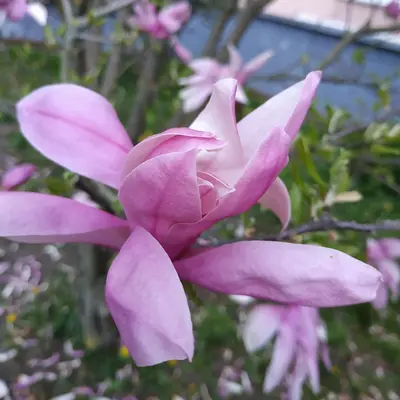
A stunning compact magnolia that produces abundant reddish-purple buds opening to fragrant pink-white flowers in late spring. This Little Girl hybrid blooms later than most magnolias, avoiding frost damage, and often produces a second flush of flowers in summer. Perfect for smaller gardens where you want maximum floral impact without overwhelming size.
Sun
Full sun to partial shade
Zones
4–8
USDA hardiness
Height
10-15 feet
Planting Timeline
Showing dates for Magnolia Jane in USDA Zone 7
All Zone 7 ornamental-tree →Zone Map
Click a state to update dates
Magnolia Jane · Zones 4–8
Growing Details
Complete Growing Guide
Light: Full sun (6 or more hours of direct sunlight a day), Partial Shade (Direct sunlight only part of the day, 2-6 hours). Soil: Clay, High Organic Matter, Loam (Silt), Sand. Soil pH: Acid (<6.0), Neutral (6.0-8.0). Drainage: Good Drainage, Moist. Height: 10 ft. 0 in. - 15 ft. 0 in.. Spread: 8 ft. 0 in. - 12 ft. 0 in.. Spacing: 6-feet-12 feet, 12-24 feet. Growth rate: Slow. Maintenance: Medium. Regions: Coastal, Mountains, Piedmont.
Harvesting
An aggregate fruit of woody follicles seeds have a fleshy red outer coating called an aril.
Color: Brown/Copper, Red/Burgundy. Type: Aggregate, Follicle.
Storage & Preservation
Magnolia Jane flowers should be displayed in a cool location away from direct sunlight and heat sources to extend vase life. Keep cut flowers in cool water (65-72°F) and change water every 2-3 days for optimal freshness. Blooms typically last 5-7 days indoors. Preservation methods include air-drying flower buds in a well-ventilated area, pressing blooms between paper for botanical collections, or preserving buds in glycerin solution to maintain color and flexibility for long-term display and crafting projects.
History & Origin
Magnolia is a large genus of about 210 to 340 flowering plant species in the subfamily Magnolioideae of the family Magnoliaceae. The natural range of Magnolia species is disjunct, with a main center in east, south and southeast Asia and a secondary center in South America, Central America, the West Indies, and some species in eastern North America.
Advantages
- +Disease resistance: Pollution
Companion Plants
Hostas, ferns (including Japanese Painted Fern), heuchera, and astilbe all work well under a Magnolia Jane because they're asking for exactly what she already provides — dappled to partial shade and acidic soil in the 5.5–6.5 pH range. Their roots are shallow and fibrous, which matters: magnolias have wide, fleshy roots that don't appreciate being dug around. Planting these companions at least 3–4 feet out from the trunk lets you get them in without disturbing that root zone. Azaleas, rhododendrons, and camellias fit for the same reasons — shared acid-soil preference and a growth habit that doesn't crowd the canopy.
Black walnut is the one to plant nowhere near a Jane. It produces juglone, a compound that seeps through the soil and is directly toxic to magnolias. Large maples are a different kind of problem — their surface roots spread aggressively and will pull water and nutrients away from a wide area, putting a young magnolia at a disadvantage before it's even established. Eucalyptus releases allelopathic compounds from decomposing leaves and root exudates that suppress nearby plant growth. All three harm through different mechanisms, but the result is the same: the magnolia loses.
Plant Together
Hostas
Thrive in similar partial shade conditions and complement magnolia's canopy
Azaleas
Share acidic soil preferences and similar moisture requirements
Ferns
Flourish in the filtered light under magnolia canopy and prefer similar soil conditions
Camellia
Compatible acid-loving shrub that blooms at different times, extending seasonal interest
Astilbe
Enjoys partial shade and moist, well-draining soil similar to magnolia preferences
Heuchera
Tolerates shade well and provides colorful foliage contrast to magnolia
Japanese Painted Fern
Thrives in acidic soil and dappled shade conditions beneath magnolia
Rhododendron
Shares acidic soil needs and shallow root system won't compete aggressively
Keep Apart
Black Walnut
Produces juglone toxin that can inhibit magnolia growth and cause leaf yellowing
Large Maple Trees
Dense canopy and aggressive root system compete heavily for water and nutrients
Eucalyptus
Allelopathic compounds in leaves can inhibit nearby plant growth including magnolias
Pests & Disease Resistance
Resistance
Good resistance to most magnolia diseases, late blooming avoids frost damage
Common Pests
Scale insects, magnolia borer, thrips
Diseases
Leaf spot, powdery mildew, canker (rare)
Troubleshooting Magnolia Jane
What you'll see, why it happens, and what to do about it.
Sticky, waxy bumps on branches and stems, sometimes with yellowing foliage or sooty black coating on leaves
Likely Causes
- Scale insects (armored or soft scale) — they feed on sap and excrete honeydew, which grows sooty mold fungus
- Stressed tree from drought or compacted soil, which makes it more susceptible
What to Do
- 1.Scrape visible scale off smaller branches with a soft brush and apply horticultural oil (2% dilution) while the tree is dormant — late winter is ideal
- 2.For heavy infestations on established wood, a systemic soil drench with imidacloprid in early spring can knock populations back significantly
- 3.Water deeply (1 inch per week) and mulch out to the drip line to reduce tree stress going forward
Tan or brown circular spots on leaves mid-summer, sometimes with a yellow halo, leaves dropping earlier than expected
Likely Causes
- Leaf spot — most commonly caused by Phyllosticta magnoliae or Cercospora fungi, both spread by splashing water
- Overhead irrigation or dense planting that keeps foliage wet for long stretches
What to Do
- 1.Rake up and bag all fallen leaves — don't compost them, the spores overwinter in debris
- 2.Switch to drip irrigation or water at the base; avoid wetting the canopy
- 3.A copper-based fungicide applied at first sign of spotting can slow spread, but won't reverse existing damage
Sawdust-like frass at the base of the trunk or at branch crotches, possibly with small entry holes in the bark
Likely Causes
- Magnolia borer (Synanthedon viridipennisi) — larvae tunnel into the cambium layer, usually targeting trees under 5 years old or those already stressed
- Recent transplant shock or root damage that weakens the tree's defenses
What to Do
- 1.There's no good chemical fix once larvae are inside; focus on keeping the tree healthy — proper watering and avoiding mechanical damage from lawn equipment near the base
- 2.Wrap the lower trunk with tree wrap in late spring (May) when adult moths are laying eggs, to discourage egg-laying on young bark
- 3.If you find active galleries in a limb, prune that limb back to clean wood at least 6 inches below the last frass hole and dispose of the wood off-site
Frequently Asked Questions
When should I plant Magnolia Jane?▼
Is Magnolia Jane good for small gardens?▼
How long do Magnolia Jane blooms last?▼
Can Magnolia Jane be grown in containers?▼
What pests affect Magnolia Jane?▼
How do I care for Magnolia Jane to avoid frost damage?▼
Zone-by-Zone Planting Calendar
Growing Guides from Wind River Greens
Sources & References
External authority sources used in compiling this guide.
- ExtensionNC State Extension
See the Methodology page for how this data is sourced, what's AI-assisted, and known limitations.