Noble Maiden
Lupinus polyphyllus
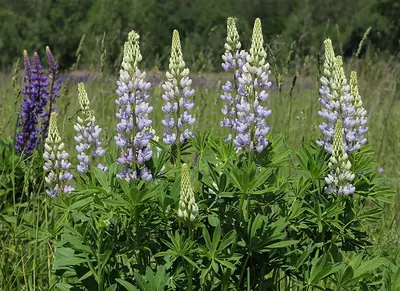
Part of the Russell Hybrids 'Band of Nobles' series. Noble Maiden has sweetly scented, bright white blooms. Plants produce multiple blooms with stiff, straight stems. In our trials, these first-year flowering plants bloomed in early July in the first year and about a month earlier (early June) from well-established plants in the second season of growing. Bloom quality and productivity were better in the second season, although all plants did produce flowers in the first season. Performs best where summers are cool. Attracts and provides a food source for bees and hummingbirds. 1-2' blooms/spikes are densely covered with ½" pea-like flowers. Lupine is typically resistant to deer and rabbits. Perennial in Zones 4-8.
Harvest
150-190d
Days to harvest
Sun
Full sun to partial shade
Zones
4–9
USDA hardiness
Height
3-4 feet
Planting Timeline
Showing dates for Noble Maiden in USDA Zone 7
All Zone 7 flower →Zone Map
Click a state to update dates
Noble Maiden · Zones 4–9
Growing Details
Complete Growing Guide
Noble Maiden rewards gardeners who give it the right start, so begin by choosing a site with full sun to partial shade — aim for at least 4-6 hours of direct light, with afternoon shade welcome in warmer zones. Lupines despise wet feet and compacted ground, so work the soil deeply (12+ inches) before planting and amend heavy clay with compost and coarse sand to improve drainage. Slightly acidic to neutral soil (pH 6.0-7.0) suits them best. Skip the lime and avoid rich, high-nitrogen amendments, which push leafy growth at the expense of blooms.
For seeds, nick the hard coat with sandpaper or soak overnight in warm water to break dormancy. You can direct sow in early spring as soon as soil can be worked, or start indoors 6-8 weeks before your last frost in deep pots — lupines develop a long taproot and resent disturbance. Transplant young plants while still small, handling the rootball gently and placing the crown level with the soil surface. Space plants 18-24 inches apart for good air circulation.
Water consistently during the first season to establish strong roots, then taper off; mature lupines tolerate moderate dryness and actually rot in soggy soil. Mulch lightly to keep roots cool, especially in Zones 7-8 where summer heat is the main enemy. As nitrogen-fixers, lupines need little fertilizer — a light topdressing of compost in spring is plenty. Avoid lawn fertilizer drift, which can kill them.
The stiff stems of Noble Maiden usually stand on their own, but in windy sites or rich soil, a discreet grow-through support installed early will keep tall spikes upright. Deadhead spent flower spikes promptly to encourage a second flush of smaller blooms and to prevent self-seeding (Russell hybrids do not come true from seed).
Common mistakes to avoid: planting in heavy clay without amendment, transplanting older seedlings with disturbed taproots, overwatering in summer, and overfeeding. In Zones 4-6, expect Noble Maiden to thrive for several years; in Zones 7-8, treat it as a short-lived perennial and plan to replace plants every 2-3 years. To maximize yield, let plants establish through year one without heavy harvesting — year two delivers dramatically better spike count, length, and earlier bloom timing.
Harvesting
Cut Noble Maiden for bouquets when the lowest third to half of the florets on the spike have opened and the upper buds still show color but remain closed. Harvesting at this stage gives you the longest vase life (typically 5-7 days) and lets the upper buds continue opening indoors. Cut in the cool of early morning when stems are fully turgid, using sharp, clean snips to slice the stem at an angle near the base of the flowering stalk. Immediately plunge cut stems into a bucket of cool water and let them hydrate in a shaded spot for an hour before arranging. Avoid harvesting during midday heat, which causes wilt that's hard to reverse. Strip any lower foliage that would sit below the waterline. For garden display rather than cutting, simply deadhead spent spikes by snipping them off at the base once two-thirds of the florets have faded — this often triggers a lighter second bloom flush in late summer.
Storage & Preservation
Fresh-cut Noble Maiden spikes last 5-7 days in a clean vase with cool water; change the water every two days and recut stems by half an inch each time to maintain uptake. Keep arrangements out of direct sun and away from ripening fruit, which releases ethylene and shortens vase life. For longer-term enjoyment, lupine spikes dry beautifully — hang freshly cut stems upside down in a dark, dry, well-ventilated room for 2-3 weeks; expect some color fading from bright white to creamy ivory. Silica gel drying preserves color and form better than air drying and takes about a week. Pressed individual florets work well for botanical art and cards. Note: all parts of lupine plants are toxic if ingested, so keep cuttings and dried material away from pets and children.
History & Origin
Noble Maiden traces back to the legendary breeding work of George Russell, a British gardener and railway worker from York, England, who spent over two decades — beginning around 1911 — selecting and cross-pollinating lupines in his allotment garden. Dissatisfied with the muddy colors and sparse spikes of the lupines of his day, Russell selected ruthlessly for dense florets, vivid clear colors, and robust stems. His hybrids, drawing on Lupinus polyphyllus and other species, debuted to public acclaim at the 1937 Royal Horticultural Society show, when Russell was already in his late 70s. The 'Band of Nobles' series — including Noble Maiden (white), The Chatelaine (pink and white), The Governor (blue and white), My Castle (brick red), and Chandelier (yellow) — represents the classic named selections that emerged from his life's work. Noble Maiden remains a benchmark white lupine more than 80 years later, treasured for the same qualities Russell prized: clarity of color, density of bloom, and stately upright form.
Advantages
- +First-year flowering — most lupines wait until year two
- +Sweetly scented blooms, uncommon among modern lupines
- +Stiff, straight stems rarely need staking even on tall spikes
- +Pure clean white color holds well without yellowing or pinking
- +Fixes its own nitrogen, requiring minimal fertilization
- +Reliably resistant to deer and rabbit browsing
- +Strong magnet for bumblebees and hummingbirds
Considerations
- -Short-lived in hot-summer regions (Zones 7-8); often needs replacing every 2-3 years
- -Long taproot makes mature plants nearly impossible to transplant or divide
- -All plant parts are toxic if ingested — not pet- or livestock-safe
- -Won't come true from collected seed since it's a hybrid
- -Susceptible to powdery mildew and aphids in humid weather
Companion Plants
Lavender and catmint are the strongest neighbors for Noble Maiden — both prefer similarly lean, well-drained soil, so they won't compete for water or nutrients, and their bloom windows overlap enough to keep pollinators cycling through the bed from late spring into summer. Sweet alyssum planted at the front edge stays low (6–8 inches), so it doesn't shade the lupin crowns, and it draws in parasitic wasps that can knock back aphid colonies before they get established. Marigolds (Tagetes patula specifically) and cosmos fill in the mid-layer well — the marigolds work through scent-based aphid deterrence, and cosmos adds height variation without the root chemistry problems you get from something like fennel.
Fennel suppresses a wide range of plants through allelopathic root exudates and should sit at least 3 feet away from any lupin planting. Black walnut is a harder no — juglone, the compound it releases into the soil, will stunt or kill lupins, and the affected zone can stretch well beyond the tree's drip line. Eucalyptus carries similar allelopathic chemistry and doesn't belong anywhere near a mixed perennial bed.
Plant Together
Lavender
Repels pests like aphids and moths while attracting beneficial pollinators
Marigolds
Natural pest deterrent that repels nematodes and aphids from soil
Sweet Alyssum
Attracts beneficial insects like hoverflies and parasitic wasps for natural pest control
Nasturtiums
Acts as trap crop for aphids and cucumber beetles while adding nitrogen to soil
Chives
Repels aphids and thrips with strong sulfur compounds
Cosmos
Attracts beneficial predatory insects and provides structural support
Catmint
Deters ants, aphids, and flea beetles while attracting pollinators
Zinnia
Attracts ladybugs and other beneficial predators that control garden pests
Keep Apart
Black Walnut
Releases juglone toxin that inhibits growth and can kill sensitive flowering plants
Eucalyptus
Allelopathic compounds in leaves suppress growth of nearby plants
Fennel
Inhibits growth of most garden plants through allelopathic root secretions
Pests & Disease Resistance
Common Pests
Aphids, slugs, snails
Diseases
Powdery mildew, crown rot, root rot
Troubleshooting Noble Maiden
What you'll see, why it happens, and what to do about it.
Silvery streaks or ragged holes in leaves overnight, especially on young plants in spring
Likely Causes
- Slugs (Deroceras reticulatum or similar) feeding after dark — worse in cool, wet weather
- Snails, which leave similar damage and a visible slime trail
What to Do
- 1.Set out iron phosphate bait (Sluggo or equivalent) around the base of plants at dusk — reapply after heavy rain
- 2.Clear any mulch or debris within 6 inches of the crown where slugs shelter during the day
- 3.If seedlings are getting hammered, cover them with a cloche for the first 3–4 weeks until stems toughen up
White powdery coating on upper leaf surfaces, usually appearing mid-summer after plants have flowered
Likely Causes
- Powdery mildew (Erysiphe spp.) — fungal, spreads via airborne spores, worst when nights are cool and days are warm
- Crowded spacing under 18 inches that restricts airflow
What to Do
- 1.Cut the spent flower spikes down to the basal foliage immediately after bloom — this is the right moment anyway and removes the most affected tissue
- 2.Spray with a diluted solution of potassium bicarbonate (1 tablespoon per gallon of water) every 7–10 days if the mildew is spreading to healthy leaves
- 3.Don't overhead water; aim at the soil, not the foliage
Plant wilts despite adequate soil moisture; crown at soil level looks brown or mushy when you dig it up
Likely Causes
- Crown rot or root rot caused by Phytophthora or Pythium spp. — almost always triggered by waterlogged or poorly draining soil
- Planting in heavy clay without amendment
What to Do
- 1.Dig the plant out — a rotted crown won't recover, so don't wait
- 2.Amend the bed with coarse grit or perlite before replanting anything; lupins need drainage more than fertility
- 3.Avoid any low spot that holds standing water after rain; a raised bed or a site with a slight natural slope will do more than any fungicide
Frequently Asked Questions
How long does Noble Maiden lupine take to bloom from seed?▼
Is Noble Maiden lupine good for beginners?▼
Can you grow Noble Maiden lupine in containers?▼
When should I plant Noble Maiden lupine seeds?▼
Why are my Noble Maiden lupines dying after a few years?▼
Are Noble Maiden lupines toxic to pets?▼
Zone-by-Zone Planting Calendar
| Zone | Indoor Start | Transplant | Direct Sow | Harvest |
|---|---|---|---|---|
| Zone 1 | May – June | July – August | July – September | — |
| Zone 2 | April – May | June – July | June – August | — |
| Zone 11 | January – January | January – February | January – March | — |
| Zone 12 | January – January | January – February | January – March | — |
| Zone 13 | January – January | January – February | January – March | — |
| Zone 3 | April – May | June – July | June – August | — |
| Zone 4 | March – April | June – June | June – July | — |
| Zone 5 | March – April | May – June | May – July | — |
| Zone 6 | March – April | May – June | May – July | — |
| Zone 7 | February – March | April – May | April – June | — |
| Zone 8 | February – March | April – May | April – June | — |
| Zone 9 | January – February | March – April | March – May | — |
| Zone 10 | January – January | February – March | February – April | — |
Growing Guides from Wind River Greens
Sources & References
External authority sources used in compiling this guide.
- ExtensionNC State Extension
- BreederJohnny's Selected Seeds
See the Methodology page for how this data is sourced, what's AI-assisted, and known limitations.