Clematis 'Jackmanii'
Clematis × jackmanii
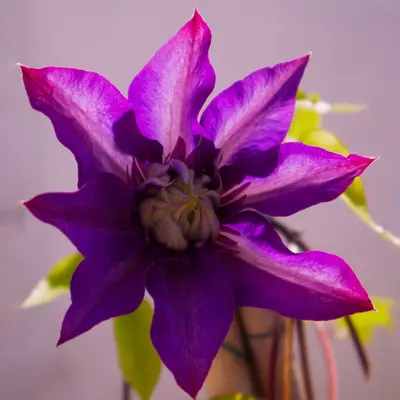
The most popular and reliable clematis variety, beloved for its profuse display of large, velvety purple flowers that bloom from midsummer through fall. This vigorous climber is perfect for covering arbors, fences, or trellises with its stunning 4-6 inch violet-purple blooms that have made it a garden classic for over 150 years.
Sun
Full sun to partial shade
Zones
3–9
USDA hardiness
Height
8-12 feet
Planting Timeline
Showing dates for Clematis 'Jackmanii' in USDA Zone 7
All Zone 7 vine →Zone Map
Click a state to update dates
Clematis 'Jackmanii' · Zones 3–9
Growing Details
Complete Growing Guide
This vigorous hybrid clematis belongs to the group three pruning category, meaning it flowers on new wood and should be cut back hard to 12-18 inches in late winter or early spring before growth resumes. Unlike some clematis varieties, 'Jackmanii' tolerates full sun exceptionally well and actually blooms more prolifically with six or more hours of direct light, though consistent moisture is essential to prevent wilting during hot summers. The variety is notably resistant to clematis wilt disease that plagues many cultivars, but watch for spider mites in dry conditions and powdery mildew in humid areas with poor air circulation. Plant it deeply with the soil line several inches above the stem base to encourage regeneration if damage occurs. A practical tip: mulch heavily around the roots to keep them cool and moist while allowing the vines to climb into sunshine, creating the ideal microclimate this variety craves.
Light: Full sun (6 or more hours of direct sunlight a day), Partial Shade (Direct sunlight only part of the day, 2-6 hours). Soil: High Organic Matter. Soil pH: Alkaline (>8.0), Neutral (6.0-8.0). Drainage: Good Drainage, Moist. Spacing: 12 inches-3 feet, 3 feet-6 feet. Growth rate: Medium. Maintenance: Medium. Propagation: Division, Layering, Stem Cutting. Regions: Coastal, Mountains, Piedmont.
Harvesting
For ornamental clematis like 'Jackmanii', harvesting focuses on deadheading spent blooms rather than true harvesting. Peak readiness is signaled when flowers begin to fade from their rich violet-purple and the petals start to curl or show browning at the edges, typically 7-10 days after full opening. Unlike single-harvest crops, 'Jackmanii' benefits from continuous deadheading throughout the blooming season from midsummer through fall, which encourages additional flower production rather than allowing the plant to set seed. Gently pinch or cut spent flowers just below the bloom, being careful not to damage emerging buds clustered nearby. A key timing tip: deadhead in early morning when stems are fully hydrated, making them less brittle and easier to handle without accidentally snapping vigorous new growth.
many small, dry fruits each with a silky-plumose tail
Color: Brown/Copper. Type: Achene.
Storage & Preservation
Clematis 'Jackmanii' is an ornamental flowering vine, not typically harvested for storage or consumption. Cut flowers can be displayed in fresh water arrangements, changing water every 2-3 days for up to 10-14 days. For preservation, dry individual blooms in a cool, dark, well-ventilated space for 2-3 weeks to create dried arrangements. Alternatively, preserve flowers in silica gel for 1-2 weeks to maintain color and form. For long-term garden enjoyment, deadheading spent blooms encourages continuous flowering throughout the season.
History & Origin
Clematis 'Jackmanii' emerged in the mid-19th century through the breeding efforts of George Jackman, a nurseryman from Woking, England, who hybridized Clematis lanuginosa with Clematis viticella around 1858. This cross produced the large-flowered, purple blooms that distinguished it from earlier clematis varieties and quickly captured Victorian gardeners' attention. The cultivar's exact parentage and crossing details remain somewhat obscured by time, but its introduction by Jackman's nursery established it as a foundational variety in modern clematis breeding programs. The combination of vigor and prolific flowering secured its place as perhaps the most influential clematis hybrid of the 19th century, spawning numerous sports and related cultivars that followed.
Origin: N. America, Europe, India, Australia, China, Japan, New Zealand
Advantages
- +Produces abundant, large velvety purple flowers from midsummer through fall
- +Vigorous grower quickly covers arbors, fences, and trellises with lush foliage
- +Proven reliable performer with over 150 years of garden success
- +Large 4-6 inch blooms provide dramatic visual impact in landscapes
Considerations
- -Susceptible to clematis wilt disease which can suddenly kill vines
- -Vulnerable to powdery mildew and leaf spot in humid conditions
- -Requires moderate care including proper pruning and support structure maintenance
Companion Plants
Lavender and catmint are the best neighbors for Jackmanii — both stay low enough (12-18 inches) to shade the root zone, which clematis genuinely needs, and neither will compete aggressively for water. Roses are a natural pairing: they offer a structural scaffold, their bloom timing complements Jackmanii's long summer-to-fall flush, and both prefer a soil pH of 6.5-7.5. In shadier spots where lavender sulks, hostas and heuchera fill the same root-shading role without complaint.
Black walnut (Juglans nigra) is the one to avoid outright — it releases juglone, a compound toxic to many ornamentals, and Jackmanii is not immune. Established walnut roots can extend well past the tree's drip line, so "it's far enough away" is often wrong. Mint and bamboo are a different category of problem: both spread through underground runners and will physically crowd Jackmanii's root system within a season or two, long before you realize what's happening.
Plant Together
Lavender
Provides ground cover for clematis roots while both prefer well-drained soil and similar sun exposure
Roses
Classic pairing where clematis can climb through roses, extending bloom season and sharing similar soil preferences
Hostas
Provides essential cool shade for clematis roots while thriving in the partial shade cast by the vine
Catmint
Keeps clematis roots cool and moist while deterring pests like aphids with its aromatic oils
Astilbe
Thrives in the partial shade created by clematis while providing attractive ground cover for root protection
Clematis (other varieties)
Different bloom times extend flowering season and similar growing requirements make them compatible
Honeysuckle
Can intertwine beautifully on same support structure with complementary bloom times and similar care needs
Heuchera
Provides attractive foliage ground cover that keeps clematis roots cool and protected from sun
Keep Apart
Black Walnut
Produces juglone toxin that can severely damage or kill clematis and most other garden plants
Mint
Aggressive spreading nature competes heavily for nutrients and water, potentially overwhelming clematis roots
Bamboo
Extremely invasive root system outcompetes clematis for nutrients and water while potentially damaging structures
Pests & Disease Resistance
Resistance
Moderate resistance to clematis wilt
Common Pests
Aphids, spider mites, earwigs
Diseases
Clematis wilt, powdery mildew, leaf spot
Troubleshooting Clematis 'Jackmanii'
What you'll see, why it happens, and what to do about it.
Entire stem wilts suddenly and collapses — sometimes overnight — while the rest of the plant looks fine
Likely Causes
- Clematis wilt (Phoma clematidina) — a fungal infection that girdles the stem at or just below soil level
- Physical stem damage at the base from wind, staking ties, or slugs creating an entry point for the pathogen
What to Do
- 1.Cut the affected stem all the way back to healthy tissue at the base — don't leave stubs
- 2.Discard the cut material in the trash, not the compost
- 3.Don't panic: Jackmanii's roots are almost always unaffected, and new shoots will emerge if you planted the crown 2-3 inches below soil level (which you should have done)
White powdery coating on leaves and new growth, usually showing up in mid to late summer
Likely Causes
- Powdery mildew (Erysiphe aquilegiae or related species) — worse when days are warm and nights are cool, or when airflow is poor
- Planting too close to a wall or fence that blocks air circulation
What to Do
- 1.Thin out any crowded stems so air can move through the plant
- 2.Spray affected foliage with a diluted neem oil solution (2 tablespoons per gallon of water) every 7-10 days until symptoms stop spreading
- 3.Water at the base only — overhead watering keeps foliage damp and makes this worse
Distorted new growth, sticky residue on leaves, and small clusters of soft-bodied insects on shoot tips
Likely Causes
- Aphids (commonly Aphis gossypii or mixed species) — they colonize tender new growth and can show up fast in spring
- Overly nitrogen-rich soil producing the lush, soft growth aphids prefer
What to Do
- 1.Knock them off with a strong blast of water from a hose — do this in the morning so the plant dries before evening
- 2.If the infestation is heavy, apply insecticidal soap directly to the colonies, making sure to hit the undersides of leaves
- 3.Hold off on high-nitrogen fertilizer; a balanced slow-release feed is enough for an established Jackmanii