Vertissimo
Anthriscus cerefolium
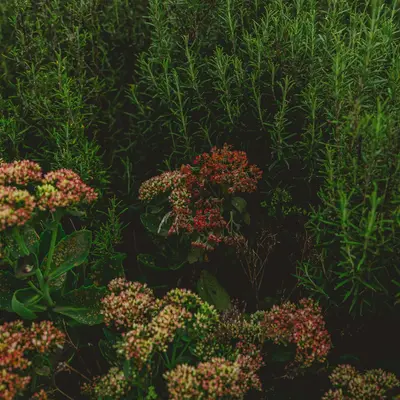
Excellent performance in our trials. Slow-bolting, vigorous plants. Mild, sweet, anise flavor. Popular for salads, microgreens, and garnishing. Edible Flowers: Chervil's flowers are edible, and used to garnish salads. Flavor is of mild licorice.
Harvest
60d
Days to harvest
Sun
Full sun to partial shade
Zones
1–11
USDA hardiness
Height
12-24 inches
Planting Timeline
Showing dates for Vertissimo in USDA Zone 7
All Zone 7 herb →Zone Map
Click a state to update dates
Vertissimo · Zones 1–11
Growing Details
Succession Planting
Chervil bolts quickly once daytime temperatures push past 75–80°F, so the goal is to stagger plantings and keep fresh leaves coming before heat shuts them down. Start transplants indoors in February–March and get them into the ground in April. From there, sow a new round every 3 weeks through early June — after that, the heat will beat you to harvest. Resume in late August or early September as temperatures drop, and you can carry harvests through November in most zones.
Because chervil tolerates partial shade, tucking a late-spring sowing under taller crops — a row of pole beans works well — can buy you an extra 2–3 weeks of usable leaves before it bolts.
Complete Growing Guide
Light: Full sun (6 or more hours of direct sunlight a day), Partial Shade (Direct sunlight only part of the day, 2-6 hours). Soil: Clay, Loam (Silt), Sand. Soil pH: Neutral (6.0-8.0). Drainage: Good Drainage, Moist. Height: 1 ft. 0 in. - 2 ft. 0 in.. Spread: 1 ft. 0 in. - 1 ft. 6 in.. Spacing: 12 inches-3 feet. Growth rate: Rapid. Maintenance: Medium. Propagation: Seed. Regions: Mountains, Piedmont.
Harvesting
Garden value: Edible
Edibility: Leaves common, but flowers and seeds as well; Use leaves in salads, soups, sauces, teas, and butters. Leaves can be harvested throughout the summer and fall.
Storage & Preservation
Vertissimo chervil stays freshest when refrigerated at 32–40°F in a sealed plastic bag or container, ideally used within 3–5 days of harvest. High humidity (95%+) slows wilting significantly. For longer preservation, freezing works best: blanch stems briefly (30 seconds), shock in ice water, pat dry, and freeze in airtight bags or ice cube trays with water or oil. Dried chervil loses considerable flavor quickly, so dry only what you won't use within two weeks—hang bundles in a warm, dark space or use a low-temperature dehydrator set around 95°F. Chervil does not preserve well through canning or fermenting. Vertissimo's delicate anise notes fade rapidly once dried, so prioritize fresh or frozen storage for best culinary results, reserving dried chervil only for stocks or cooking where subtlety matters less.
History & Origin
Origin: Middle East, Russia and the Caucasus
Advantages
- +Attracts: Bees, Butterflies, Pollinators
- +Edible: Leaves common, but flowers and seeds as well; Use leaves in salads, soups, sauces, teas, and butters. Leaves can be harvested throughout the summer and fall.
- +Fast-growing
Companion Plants
Chervil sits well next to most other culinary herbs — thyme, oregano, rosemary, and chives all share similar moderate-fertility needs without competing hard for root space. Marigolds and nasturtiums pull in beneficial insects that help suppress aphid populations before they build up on the soft new growth chervil puts out all season. Basil makes a practical neighbor too: both want consistent moisture and neither shades the other out at 12–24 inches tall, so they share bed space without fighting for it.
Fennel releases allelopathic compounds that suppress germination and growth in many neighboring plants — chervil included — so keep it in its own container or a separate corner of the garden. Black walnut (Juglans nigra) is a harder problem: its roots produce juglone, a compound that's toxic to a broad range of herbs and vegetables, and the affected soil zone extends well beyond the tree's canopy. If you have one on the property, site your herb beds on the far side of any structures or hedges that break up the root zone.
Plant Together
Oregano
Repels many pests with strong aromatic oils
Thyme
Deters cabbage worms and other caterpillars
Basil
Repels aphids and whiteflies, may improve flavor
Chives
Deters aphids and other soft-bodied insects with sulfur compounds
Marigolds
Repel nematodes and aphids while attracting beneficial insects
Nasturtiums
Act as trap crops for aphids and cucumber beetles
Parsley
Attracts beneficial insects like hoverflies and parasitic wasps
Rosemary
Repels carrot flies, cabbage moths, and bean beetles
Keep Apart
Fennel
Inhibits growth of most garden plants through allelopathy
Black Walnut
Produces juglone toxin that stunts growth of sensitive herbs
Rue
Allelopathic compounds inhibit germination and growth of nearby plants
Nutrition Facts
Per 100g serving. % Daily Value based on 2,000 calorie diet. Source: USDA FoodData Central (FDC #172232)
Pests & Disease Resistance
Common Pests
Aphids, spider mites
Diseases
Powdery mildew, root rot in poorly drained soils
Troubleshooting Vertissimo
What you'll see, why it happens, and what to do about it.
White powdery coating on leaf surfaces, usually showing up mid-summer when nights cool and humidity climbs
Likely Causes
- Powdery mildew — a fungal disease that spreads by airborne spores and thrives in humid, low-airflow conditions
- Overcrowded planting at less than 6 inches spacing, cutting off air circulation between plants
What to Do
- 1.Remove and trash (don't compost) the worst-affected leaves immediately
- 2.Thin plants to at least 6–9 inches apart if you haven't already
- 3.Apply a diluted neem oil spray (2 tsp per gallon of water) every 7 days until symptoms stop spreading
Plant wilting despite moist soil, with stems turning brown or mushy at the base
Likely Causes
- Root rot from Pythium or Phytophthora spp. — both thrive in waterlogged, poorly drained soil
- Planting in a low spot that holds water after rain or irrigation
What to Do
- 1.Pull the plant and check the roots — if they're brown and slimy rather than white and firm, root rot has set in and the plant won't recover; remove it
- 2.Amend the bed with perlite or coarse compost before replanting to improve drainage
- 3.Water deeply but infrequently — chervil wants consistently moist soil, not standing water
Tiny clustered insects on new growth or the undersides of leaves, sometimes with sticky residue on stems
Likely Causes
- Aphids (various Aphididae species) — they congregate on soft new tissue and reproduce fast in warm weather
- Spider mites — more likely if the plant is drought-stressed or temperatures are consistently above 85°F
What to Do
- 1.Knock aphids off with a strong stream of water from a hose; repeat every 2–3 days for two weeks
- 2.For spider mites, spray the undersides of leaves with insecticidal soap — cover them thoroughly or it won't work
- 3.Plant marigolds or nasturtiums in the same bed to draw in ladybugs and lacewings, which keep soft-bodied pest populations in check
Frequently Asked Questions
How long does Vertissimo chervil take to harvest?▼
Is Vertissimo chervil good for beginner gardeners?▼
Can you grow Vertissimo chervil in containers?▼
What does Vertissimo chervil taste like?▼
When should I plant Vertissimo chervil?▼
Does Vertissimo chervil need full sun?▼
Zone-by-Zone Planting Calendar
| Zone | Indoor Start | Transplant | Direct Sow | Harvest |
|---|---|---|---|---|
| Zone 3 | April – May | June – July | — | July – October |
| Zone 4 | March – April | June – July | — | July – October |
| Zone 5 | March – April | May – June | — | June – October |
| Zone 6 | March – April | May – June | — | June – November |
| Zone 7 | February – March | April – June | — | June – November |
| Zone 8 | February – March | April – May | — | May – December |
| Zone 9 | January – February | March – April | — | April – December |
| Zone 10 | January – January | February – April | — | April – December |
| Zone 1 | May – June | July – August | — | August – August |
| Zone 2 | April – May | June – August | — | August – September |
| Zone 11 | January – January | January – March | — | March – December |
Growing Guides from Wind River Greens
Sources & References
External authority sources used in compiling this guide.
- BreederJohnny's Selected Seeds
- USDAUSDA FoodData Central
See the Methodology page for how this data is sourced, what's AI-assisted, and known limitations.