Swamp Milkweed
Asclepias incarnata
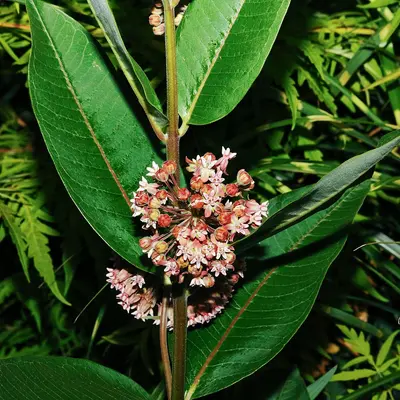
Blooms summer through frost. Clusters of rose to mauve florets on sturdy stems. In our trials the species is nearly identical to the variety Soulmate. Attractive lance-shaped leaves. Use for cut flowers and garden beds. Attracts butterflies and hummingbirds. Larval host for monarch butterflies. Native to North America. Also known as pink milkweed and rose milkweed. Perennial in Zones 3-8.
Harvest
120-130d
Days to harvest
Sun
Full sun to partial shade
Zones
3–9
USDA hardiness
Height
3-5 feet
Planting Timeline
Showing dates for Swamp Milkweed in USDA Zone 7
All Zone 7 native-wildflower →Zone Map
Click a state to update dates
Swamp Milkweed · Zones 3–9
Growing Details
Complete Growing Guide
Light: Full sun (6 or more hours of direct sunlight a day), Partial Shade (Direct sunlight only part of the day, 2-6 hours). Soil: Clay, High Organic Matter, Loam (Silt). Soil pH: Acid (<6.0), Neutral (6.0-8.0). Drainage: Good Drainage, Moist, Occasionally Wet. Height: 3 ft. 0 in. - 5 ft. 0 in.. Spread: 2 ft. 0 in. - 3 ft. 0 in.. Spacing: 3 feet-6 feet. Growth rate: Medium. Maintenance: Low. Regions: Coastal, Mountains, Piedmont.
Harvesting
3-4-inch long follicle seed pods split on one side to release seeds with tufts of hair that float on the wind. They are green and mature to brown.
Color: Brown/Copper, Cream/Tan, White. Type: Follicle. Length: > 3 inches. Width: 1-3 inches.
Garden value: Showy
Harvest time: Fall
Storage & Preservation
Swamp milkweed is maintained fresh as a cut flower rather than stored as food. Arrange fresh stems in a vase with room-temperature water, changing water every 2-3 days and recut stems by 1 inch every 3-4 days. Stems last 7-10 days in a cool room away from direct sun and ripening fruit.
For seed preservation, allow mature seed pods to dry completely on the plant until they split open naturally. Collect seeds in a paper bag and store in a cool, dry location (50-60°F, low humidity) in an airtight container for up to 3 years. For maximum germination rates in future seasons, store seeds in the refrigerator after the first month.
Pressed flowers from swamp milkweed dry beautifully for botanical crafts. Layer fresh flower clusters between absorbent paper and press under heavy books for 2-3 weeks in a warm, dry place.
History & Origin
Origin: Central & E. Canada to W. Central & E. U.S.A.
Advantages
- +Attracts: Butterflies, Pollinators, Predatory Insects
- +Low maintenance
Considerations
- -Toxic (Flowers, Fruits, Leaves, Roots, Seeds, Stems): Low severity
- -Causes contact dermatitis
Companion Plants
Joe Pye Weed, Wild Bergamot, and New England Aster are the strongest pairings here. All three share similar moisture preferences — they won't compete for water the way drought-tolerant prairie species would — and their bloom times span from midsummer through October, which keeps pollinators cycling through the planting long after Asclepias incarnata's own flowers have finished. That matters because monarch adults need nectar sources beyond milkweed itself; a monoculture of milkweed feeds caterpillars but not the adults passing through in August and September. Cardinal Flower and Blue Flag Iris round out a wet-to-moist guild well: same soil tolerance, no allelopathic interference, and they occupy different vertical space without crowding Asclepias incarnata's 18-24 inch spread.
The harmful companions are problems for different reasons. Black Walnut produces juglone, a root-zone compound that suppresses many native perennials — keep swamp milkweed well outside the canopy drip line, which on a mature walnut can extend 60 feet or more. Purple Loosestrife and Crown Vetch are both invasive; either one will outpace and displace the native species you're actually trying to establish, so don't plant them anywhere near a native wildflower bed regardless of what else is growing there.
Plant Together
Joe Pye Weed
Similar moisture and sun requirements, attracts complementary pollinators and creates beneficial habitat
Cardinal Flower
Thrives in same wet conditions, attracts hummingbirds and creates layered pollinator garden
Blue Flag Iris
Compatible wetland plant that provides structural diversity and different bloom timing
Wild Bergamot
Attracts beneficial insects and pollinators while tolerating similar moisture conditions
New England Aster
Extends blooming season into fall, supports monarch butterflies during migration
Boneset
Native wetland companion that attracts beneficial insects and provides late-season nectar
Turtlehead
Shares preference for moist soil and partial shade, attracts specialized native bees
Wild Ginger
Provides ground cover in moist conditions without competing for pollinators
Keep Apart
Black Walnut
Produces juglone which is toxic to many plants including milkweeds
Eucalyptus
Allelopathic oils inhibit growth of nearby native plants
Crown Vetch
Aggressive invasive ground cover that can smother native wildflowers
Purple Loosestrife
Invasive wetland plant that outcompetes native species for resources and space
Pests & Disease Resistance
Common Pests
Milkweed beetles, aphids
Diseases
Root rot if overwatered; fungal leaf spots in humid conditions
Troubleshooting Swamp Milkweed
What you'll see, why it happens, and what to do about it.
Stems and undersides of leaves coated in clusters of small orange or yellow insects, usually appearing in early summer
Likely Causes
- Milkweed aphid (Aphis nerii) — they colonize fast and are almost always present on milkweed at some point
- Absence of predatory insects early in the season before ladybug and lacewing populations build
What to Do
- 1.Knock them off with a firm spray of water — this works better than it sounds and doesn't harm monarch caterpillars the way insecticidal soap can
- 2.Leave light infestations alone; ladybugs will show up within a week or two and do the work for you
- 3.If the plant is heavily distorted and caterpillars aren't present, cut the affected stems back by half and dispose of the cuttings in the trash
Red and black beetles with long antennae chewing holes in leaves and seed pods, late summer into fall
Likely Causes
- Milkweed beetle (Tetraopes tetrophthalmus) — a native species that feeds almost exclusively on milkweed and is part of the plant's ecology
- Red milkweed beetle larvae also bore into roots, though this rarely kills an established plant
What to Do
- 1.Hand-pick adults into soapy water if the feeding damage is severe enough to bother you
- 2.Accept a moderate population — this beetle is native, not going to wipe out a healthy clump, and birds eat them
- 3.If root boring is suspected on a young plant (wilting despite adequate moisture), dig and inspect; replace the plant and rotate the spot next season
Crown or roots turning brown and mushy, plant collapsing even when the surrounding soil is wet
Likely Causes
- Root rot — most often Phytophthora or Pythium species — triggered by waterlogged soil or heavy clay that doesn't drain between rain events
- Planting in a low spot that pools after rain; Asclepias incarnata handles wet feet better than most milkweeds, but stagnant standing water is a different problem
What to Do
- 1.Dig the plant, cut away all rotted material with a clean knife, and move it to a spot with at least modest drainage — even a 6-inch grade change helps
- 2.Before replanting in clay, work in coarse sand and compost so the bed drains within 2-4 hours after a soaking rain
- 3.Don't confuse normal late-season dieback (this plant goes fully dormant and looks completely dead) with rot — check the crown in early spring before giving up on it
Frequently Asked Questions
How long does swamp milkweed take to flower from seed?▼
Is swamp milkweed good for beginners?▼
Can you grow swamp milkweed in containers?▼
Why is swamp milkweed important for monarch butterflies?▼
What's the difference between swamp milkweed and common milkweed?▼
Do I need to deadhead swamp milkweed?▼
Zone-by-Zone Planting Calendar
Growing Guides from Wind River Greens
Sources & References
External authority sources used in compiling this guide.
- BreederJohnny's Selected Seeds
See the Methodology page for how this data is sourced, what's AI-assisted, and known limitations.