Red Acre Cabbage
Brassica oleracea var. capitata 'Red Acre'
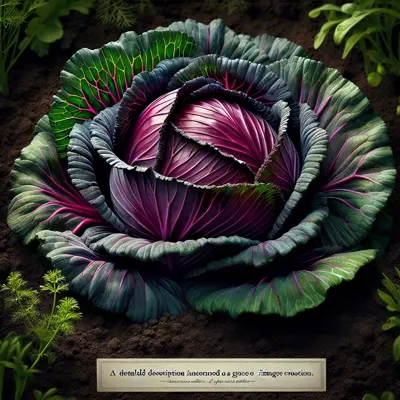
An early-maturing red cabbage that forms compact, baseball-sized heads perfect for small families and succession planting. This reliable variety produces gorgeous deep purple-red heads that hold their color beautifully when cooked and adds stunning visual appeal to any garden or plate.
Harvest
76-80d
Days to harvest
Sun
Full sun to partial shade
Zones
6–9
USDA hardiness
Height
10-24 inches
Planting Timeline
Showing dates for Red Acre Cabbage in USDA Zone 7
All Zone 7 brassica →Zone Map
Click a state to update dates
Red Acre Cabbage · Zones 6–9
Growing Details
Succession Planting
Red Acre takes 76-80 days to head up, so in zone 7 you get two real windows. For spring, start seeds indoors in late February to early March, transplant out in April, and plan on harvesting by mid-June before sustained heat stalls the heads. For fall, count back 80 days from your first frost (typically mid-October in zone 7) and get transplants in the ground by late July to early August — this is often the better crop, since cool nights tighten the heads and sweeten the flavor noticeably.
Don't try to stagger Red Acre the way you would a 30-day crop like radishes. At 76-80 days per planting, two rounds per year (spring and fall) is the practical limit. If you want continuous brassica harvests between those windows, slot in hakurei turnips at 38 days or a fast-maturing broccoli raab to fill the gap.
Complete Growing Guide
Red Acre's 76-80 day maturity makes it ideal for succession planting in spring and summer, allowing multiple harvests before fall frost, though avoid planting too late since heads won't size properly in cool weather below 60°F. This cultivar prefers consistently moist, well-draining soil rich in nitrogen and benefits from consistent watering to prevent splitting, a common issue as heads mature. Unlike larger cabbage varieties, Red Acre's compact size means plants can tolerate partial shade and actually prefer afternoon shade in hot climates above 75°F to maintain tenderness and color intensity. Watch for cabbage loopers and diamondback moths, which are particularly attracted to young red varieties; use row covers early in the season for preventive protection. A practical tip: harvest heads when they feel firm but before they become overly dense, as Red Acre can become woody if left too long in the ground.
Light: Full sun (6 or more hours of direct sunlight a day), Partial Shade (Direct sunlight only part of the day, 2-6 hours). Soil: Clay, Loam (Silt), Sand. Soil pH: Acid (<6.0), Neutral (6.0-8.0). Drainage: Good Drainage, Moist. Height: 0 ft. 10 in. - 2 ft. 0 in.. Spread: 1 ft. 0 in. - 2 ft. 0 in.. Spacing: 12 inches-3 feet. Growth rate: Medium. Maintenance: Medium. Propagation: Seed, Stem Cutting. Regions: Coastal, Mountains, Piedmont.
Harvesting
Red Acre cabbage reaches peak harvest readiness when heads develop their characteristic deep purple-red color and feel firm and dense when gently squeezed, typically at baseball size around 76-80 days. Heads should feel heavy for their size with no soft spots or yellowing outer leaves. This variety supports both single-harvest and succession-planting approaches; cut mature heads at soil level for full plant removal, or selectively harvest outer leaves to encourage smaller secondary heads from the same plant. For optimal flavor and texture retention, harvest in the early morning when heads are crisp and fully hydrated, before afternoon heat diminishes their juiciness.
The fruits dry and split when ripe.
Color: Brown/Copper, Green. Type: Siliqua. Length: > 3 inches.
Garden value: Edible
Harvest time: Fall, Summer
Edibility: The foliage is edible raw or cooked but when cooked can emit an unpleasant odor.
Storage & Preservation
Fresh Red Acre heads store exceptionally well when harvested properly. Remove loose outer leaves but keep tight wrapper leaves intact. Store in refrigerator crisper drawer at 32-35°F with high humidity for 3-4 months. Wrap in perforated plastic bags to maintain moisture while allowing air circulation.
For longer preservation, Red Acre excels at fermentation – its natural sugars and firm texture make outstanding sauerkraut that retains beautiful color. Finely shred and ferment using traditional salt-brine methods. The variety also freezes well when blanched for 2-3 minutes, though texture softens. Avoid canning whole heads as the texture becomes mushy, but quick pickled red cabbage preserves both color and crunch beautifully.
History & Origin
Red Acre Cabbage emerged from early twentieth-century breeding programs focused on developing compact, early-maturing red cabbage varieties suitable for commercial and home cultivation. While comprehensive documentation of its specific breeder and exact year of introduction is limited in widely available horticultural records, the variety represents the lineage of improved red cabbage selections that prioritized reduced plant size and accelerated maturity compared to traditional European heirloom types. The "Acre" designation likely references its space-efficient growth habit, making it an accessible choice for gardeners with limited space. This variety became a staple in seed catalogs throughout the mid-twentieth century, reflecting its reliable performance and consistent quality in diverse growing regions.
Origin: W. Europe
Advantages
- +Early maturity at 76-80 days makes Red Acre ideal for succession planting.
- +Compact baseball-sized heads are perfect for small families and limited space.
- +Deep purple-red color holds beautifully when cooked, adding visual appeal.
- +Mild, sweet flavor with crisp texture makes it excellent for fresh eating.
- +Reliable performer with easy growing difficulty for beginner gardeners.
Considerations
- -Highly susceptible to cabbage worms, aphids, and flea beetles requiring vigilant pest management.
- -Vulnerable to multiple serious diseases including clubroot and fusarium yellows.
- -Small head size means lower total yield compared to full-sized cabbage varieties.
Companion Plants
Onions and celery nearby put off volatile compounds that make it harder for cabbage moths and aphids to zero in on the crop. NC State Extension's IPM guidance is direct about this: interplanting unrelated species dilutes the attractive scent of a preferred host and can slow an insect attack's progress across the bed. Nasturtiums pull aphids off the cabbage heads onto expendable flowers you can just cut and trash. Dill draws parasitic wasps that prey on cabbageworms — genuinely useful in zone 7 Georgia, where imported cabbageworm (Pieris rapae) runs multiple generations from April through October.
Keep tomatoes and strawberries well away from Red Acre. Both compete for similar soil nutrients and tomatoes are documented to inhibit brassica growth in close quarters, likely through root exudates. Pole beans are a practical problem as much as a chemical one — their canopy shades the low-growing heads and traps moisture, creating the humid microclimate that downy mildew (Peronospora parasitica) needs to get started.
Plant Together
Dill
Attracts beneficial insects like parasitic wasps that control cabbage worms and aphids
Onions
Repel cabbage maggots, flea beetles, and aphids with their strong sulfur compounds
Marigolds
Deter cabbage worms, aphids, and other pests while attracting beneficial predatory insects
Nasturtiums
Act as trap crop for aphids and flea beetles, drawing pests away from cabbage
Celery
Repels cabbage white butterflies and provides natural pest deterrent through aromatic compounds
Lettuce
Maximizes space utilization as a quick-growing understory crop with shallow roots
Carrots
Break up soil for cabbage roots and help deter cabbage flies while using different soil layers
Chamomile
Improves soil health and may enhance cabbage flavor while attracting beneficial insects
Keep Apart
Tomatoes
Compete for similar nutrients and may stunt cabbage growth through allelopathic effects
Strawberries
Inhibit cabbage growth and development through root competition and chemical interference
Pole Beans
Can shade cabbage excessively and compete for nitrogen that brassicas need for leaf development
Nutrition Facts
Per 100g serving. % Daily Value based on 2,000 calorie diet. Source: USDA FoodData Central (FDC #169975)
Pests & Disease Resistance
Resistance
Good resistance to splitting and yellows
Common Pests
Cabbage worms, aphids, flea beetles, cabbage root maggots
Diseases
Black rot, clubroot, fusarium yellows, downy mildew
Troubleshooting Red Acre Cabbage
What you'll see, why it happens, and what to do about it.
Leaves show yellow V-shaped lesions starting at the leaf margins, with darkened veins underneath — typically showing up 3-4 weeks after transplant
Likely Causes
- Black rot (Xanthomonas campestris) — a bacterium that enters through leaf margins and spreads through the vascular system
- Infected transplants or contaminated seed stock brought in from outside
What to Do
- 1.Pull and bag any infected plants immediately — don't compost them; black rot spreads aggressively through plant debris
- 2.Stop overhead watering; switch to drip or soaker hose to keep foliage dry
- 3.Don't replant brassicas (cabbage, broccoli, collards, kale) in that bed for at least 3 years — NC State Extension recommends rotating out of the same family to break the disease cycle
Small, ragged holes scattered across outer leaves, mostly on young transplants in the first 2-3 weeks after setting out
Likely Causes
- Flea beetles (Phyllotreta spp.) — tiny black beetles that jump when disturbed and feed heavily on stressed or newly transplanted seedlings
- Dry soil conditions that weaken transplants and make them slower to outgrow the damage
What to Do
- 1.Cover transplants immediately with row cover (Agribon AG-19 or similar) and seal the edges with soil — flea beetles can't find what they can't smell
- 2.Keep transplants well-watered; plants putting on new growth at 1-1.5 inches of water per week will typically outpace minor flea beetle damage on their own
- 3.If damage is severe, apply spinosad-based spray in the early morning when beetles are most active
Outer leaves riddled with large, irregular holes; fat green caterpillars visible on or near the damage, sometimes with dark frass pellets on the leaves
Likely Causes
- Imported cabbageworm (Pieris rapae) — the larva of the white butterfly you'll see fluttering around your brassica bed
- Cabbage looper (Trichoplusia ni) — slightly different caterpillar that loops as it moves, same damage pattern
What to Do
- 1.Spray Bt var. kurstaki (Bacillus thuringiensis) on the foliage, hitting the undersides of leaves where eggs and young larvae hide; reapply after rain
- 2.Hand-pick any caterpillars you can find and drop them in soapy water — time-consuming but effective on a small planting
- 3.Next season, use row cover from transplant day through head formation to block the white butterflies from laying eggs in the first place
Frequently Asked Questions
How long does Red Acre cabbage take to grow?▼
Can you grow Red Acre cabbage in containers?▼
What does Red Acre cabbage taste like?▼
When should I plant Red Acre cabbage seeds?▼
Is Red Acre cabbage good for beginners?▼
How do you prevent Red Acre cabbage from splitting?▼
Zone-by-Zone Planting Calendar
| Zone | Indoor Start | Transplant | Direct Sow | Harvest |
|---|---|---|---|---|
| Zone 1 | April – May | June – July | June – July | August – September |
| Zone 2 | April – May | June – July | May – July | August – September |
| Zone 11 | January – January | January – February | January – February | March – December |
| Zone 12 | January – January | January – February | January – February | March – December |
| Zone 13 | January – January | January – February | January – February | March – December |
| Zone 3 | March – April | May – June | May – June | July – October |
| Zone 4 | March – April | May – June | April – June | July – October |
| Zone 5 | February – March | April – May | April – May | July – November |
| Zone 6 | February – March | April – May | April – May | June – November |
| Zone 7 | February – March | April – May | March – May | June – November |
| Zone 8 | January – February | March – April | March – April | May – December |
| Zone 9 | January – January | February – March | February – March | April – December |
| Zone 10 | January – January | February – March | January – March | April – December |
Growing Guides from Wind River Greens
Sources & References
External authority sources used in compiling this guide.
See the Methodology page for how this data is sourced, what's AI-assisted, and known limitations.