Nevada
Lactuca sativa 'Nevada'
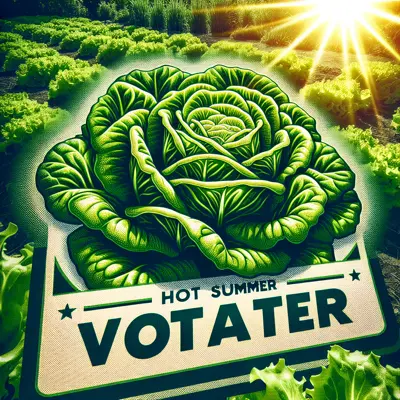
A heat-warrior among lettuces, Nevada batavian was specifically bred to thrive in hot, challenging conditions where other varieties fail. This sturdy variety produces large, thick, savoy-textured leaves that stay sweet and crisp even in summer heat. The ultimate lettuce for gardeners in hot climates who thought they couldn't grow lettuce in summer.
Harvest
48-68d
Days to harvest
Sun
Full sun to partial shade
Zones
2–11
USDA hardiness
Height
6-12 inches
Planting Timeline
Showing dates for Nevada in USDA Zone 7
All Zone 7 lettuce →Zone Map
Click a state to update dates
Nevada · Zones 2–11
Growing Details
Succession Planting
Direct sow Nevada every 14-21 days starting around March 1 in zone 7, and keep going through early May. Once daytime highs hold consistently above 85°F — usually mid-June — pause and pick back up in late August for a fall run through October or into November. Each sowing gives you a 48-68 day window before heat or cold closes it, so staggering small amounts beats planting one big block and watching half of it bolt before you get to it.
For the fall succession, count back from your first expected frost (around mid-November in zone 7) and get your last sowing in by late September. Nevada handles a light frost reasonably well, but a hard freeze below 28°F will finish it. A row cover adds a couple of degrees and can stretch the last harvest by two to three weeks.
Complete Growing Guide
Nevada lettuce thrives when you work with its heat-loving nature rather than against it. For gardeners in hot climates, timing is everything. While traditional lettuces prefer spring and fall, Nevada can be direct seeded throughout summer when other varieties would bolt. Sow seeds directly into the garden bed about two to three weeks before your intended harvest, since Nevada reaches maturity in 48–68 days depending on heat and light conditions. In cooler regions, you can start seeds indoors 4–6 weeks before your last spring frost, then transplant seedlings outdoors once soil temperatures consistently exceed 60°F. Nevada's sturdy constitution means it handles transplanting well, so indoor starting works if you prefer having ready plants on hand.
This batavian variety performs best in well-draining soil enriched with compost or aged manure before planting. Space plants 8–10 inches apart in rows; Nevada's heads grow to 6–12 inches tall and develop substantial girth, so don't crowd them. Plant seeds just ¼ inch deep and keep the seedbed consistently moist until germination occurs, typically within 7–10 days. Once established, thin seedlings to proper spacing to allow the characteristic thick, savoy-textured leaves room to develop their full crispness.
Water Nevada deeply and regularly, especially crucial in the hot conditions where this variety excels. Consistent soil moisture—roughly one inch per week—prevents bolting and bitterness. During peak summer heat, you may need to water every two to three days. Mulch around plants to retain soil moisture and moderate temperature fluctuations. Feed every two to three weeks with a balanced, nitrogen-rich fertilizer to support vigorous leaf production, though Nevada isn't a heavy feeder compared to other vegetable crops.
Nevada's heat tolerance is remarkable, but it still faces challenges in summer gardening. Watch closely for thrips and leafminers, which thrive in hot weather and can spot and tunnel through the thick leaves. Check undersides of foliage regularly and remove affected leaves promptly. Downy mildew occasionally appears in humid conditions even in summer; ensure good air circulation and avoid overhead watering. Bacterial spot can develop on the waxy leaf surface, so space plants generously and water at soil level only.
The mistake most gardeners make with Nevada is underestimating how much it actually dislikes extreme afternoon sun even as a heat-tolerant variety. In regions hotter than 95°F regularly, provide 20–30 percent afternoon shade using shade cloth or strategic placement near taller plants. This keeps leaves tender and prevents even Nevada's impressive heat tolerance from being overwhelmed. Succession planting every three weeks ensures continuous harvests throughout the summer when most lettuce zones lie dormant.
Harvesting
Nevada reaches peak harvest when the outer leaves develop a deep green hue and the head feels substantial yet tender to the touch, typically around day 48 onwards. The thick, savoy-textured leaves should feel crisp and snap cleanly when bent, indicating optimal moisture and crispness. For continuous harvests, pinch off outer leaves from the base once the plant reaches 6 inches tall, allowing the center to keep producing. Alternatively, cut the entire head just above soil level for a single harvest. Timing your harvest in early morning ensures maximum crispness and sweetness, as Nevada's sugars are most concentrated before heat stress accumulates throughout the day.
Tiny seeds with a dandelion-like tuft (pappus) to aid in wind dispersal.
Color: Brown/Copper. Type: Achene. Length: < 1 inch. Width: < 1 inch.
Harvest time: Summer
Edibility: Leaves can be used raw or cooked in salads, sandwiches, and other dishes. Head lettuce can be stored for 2-3 weeks while leaf and butterhead store for 1-2 weeks.
Storage & Preservation
Fresh Nevada lettuce stores exceptionally well due to its thick, sturdy leaves. Immediately after harvest, rinse in cold water and spin dry thoroughly. Store in perforated plastic bags in your refrigerator's crisper drawer at 32-36°F with high humidity. Properly stored Nevada maintains crispness for 7-10 days, significantly longer than heat-stressed summer lettuces.
Unlike tender varieties, Nevada's robust leaves handle preservation well. For freezing, blanch whole leaves in boiling water for 30 seconds, shock in ice water, then freeze in portions for adding to soups and stews. The thick leaves also dehydrate successfully—use a food dehydrator at 135°F for 6-8 hours to create crispy lettuce chips. Nevada's substantial texture makes it one of the few lettuces suitable for quick pickling; submerge leaves in seasoned rice vinegar for a tangy garnish that keeps refrigerated for 2 weeks.
History & Origin
Nevada lettuce emerges from the batavian breeding line, a European heritage group prized for thick, textured leaves and natural heat tolerance. While specific breeder attribution and introduction year remain undocumented in readily available sources, Nevada represents the modern refinement of batavian genetics developed to meet contemporary gardening demands, particularly for warm-climate cultivation. Seed companies have championed this variety as commercial availability expanded, leveraging the batavian type's inherent vigor and heat resilience. The variety name itself reflects the hot, arid growing regions where such heat-adapted lettuces prove essential, suggesting regional adaptation work rather than a single documented origin point.
Origin: Mediterranean to Siberia
Advantages
- +Thrives in hot summer conditions where most lettuces bolt or wilt
- +Large, thick savoy leaves provide excellent texture and visual appeal
- +Maintains sweet, crisp flavor even during intense heat stress
- +Fast 48-68 day maturity fits well into hot-season gardens
- +Ideal solution for gardeners in hot climates seeking summer lettuce
Considerations
- -Susceptible to downy mildew in humid or poorly ventilated conditions
- -Attracts aphids and thrips more readily during hot weather periods
- -Requires consistent moisture to prevent heat stress-related disorders
- -May still struggle in extreme heat above 95°F continuously
Companion Plants
Chives and garlic at the bed edges do real work — their sulfur compounds confuse aphids, which hit Nevada hardest once temperatures climb into the 80s. Radishes are worth tucking in at the same time you sow: they germinate in 5-7 days, mark the row, and their root action loosens the top 6 inches right where lettuce feeds. French marigolds (Tagetes patula) pull double duty in our zone 7 Georgia garden — they deter leafminers and, per NC State Extension guidance, help suppress soil nematode pressure in beds you cycle through repeatedly. Keep fennel out entirely; its root exudates stunt most vegetables, and broccoli competes too aggressively for the same shallow moisture Nevada depends on.
Plant Together
Chives
Repels aphids and other soft-bodied insects that damage lettuce leaves
Garlic
Natural pest deterrent that repels slugs, aphids, and cabbage worms
Radishes
Break up soil for lettuce roots and mature quickly, acting as living mulch
Carrots
Deep roots don't compete with shallow lettuce roots, maximize garden space
Marigolds
Repel nematodes and aphids while attracting beneficial predatory insects
Nasturtiums
Act as trap crops for aphids and cucumber beetles, protecting lettuce
Spinach
Similar growing requirements and harvest times, efficient space utilization
Dill
Attracts beneficial insects like ladybugs and lacewings that control aphids
Keep Apart
Broccoli
Heavy feeder that competes for nutrients and can overshadow lettuce
Fennel
Allelopathic properties inhibit growth of lettuce and most garden vegetables
Walnut trees
Release juglone compound that is toxic to lettuce and causes wilting
Nutrition Facts
Per 100g serving. % Daily Value based on 2,000 calorie diet. Source: USDA FoodData Central (FDC #2346388)
Pests & Disease Resistance
Resistance
Excellent heat tolerance, good resistance to bolting and tipburn
Common Pests
Aphids, thrips, leafminers in hot weather
Diseases
Downy mildew, bacterial spot, heat stress disorders
Troubleshooting Nevada
What you'll see, why it happens, and what to do about it.
Seedlings collapse at soil level within the first 7-10 days after direct sowing or transplanting
Likely Causes
- Damping off — a fungal complex (typically Pythium or Rhizoctonia solani) that thrives in cool, wet, poorly-drained soil
- Overwatering immediately after sowing, keeping the soil surface continuously saturated
What to Do
- 1.Pull the dead seedlings and check the stem base: if it's pinched and water-soaked just at soil level, that's damping off — not drought, not cold
- 2.Let the top half-inch of soil dry between waterings once seeds have germinated; Nevada needs 1-1.5 inches per week but not all delivered at once
- 3.Next sowing, use a fresh seed-starting mix or a raised bed that drains freely, and don't mulch right up against the stems until plants are 3 inches tall
White to gray fuzzy coating on the undersides of older leaves, with yellow patches on top — usually appearing in cool, damp stretches
Likely Causes
- Downy mildew (Bremia lactucae) — favored by temperatures between 50-65°F and high humidity, common in early spring and fall plantings
What to Do
- 1.Remove and trash (don't compost) affected leaves as soon as you spot them
- 2.Space plants the full 10-12 inches apart so air can move between them — Nevada is a larger-headed variety and cramping it invites this
- 3.Switch to base watering in the morning so foliage dries before nightfall; evening overhead irrigation is about the best way to encourage Bremia
Small, water-soaked spots on leaves that turn brown and papery, sometimes with a yellow halo, mid-season
Likely Causes
- Bacterial leaf spot (Xanthomonas campestris pv. vitians) — spreads through splashing water and is worse in warm, wet weather
- Thrips feeding damage, which creates similar silvery-brown flecking, especially once temperatures climb past 80°F
What to Do
- 1.For bacterial spot: cut overhead irrigation, remove badly spotted outer leaves, and stay out of the bed when foliage is wet
- 2.For thrips: look for the tiny straw-colored insects tucked into the leaf folds — a hard spray of water dislodges light populations; insecticidal soap applied in the evening handles heavier pressure without scorching the leaves
- 3.NC State Extension recommends rotating out of the same bed for at least one season if bacterial spot has been confirmed
Leaf tips and margins go pale, then brown and papery; head feels loose and tastes bitter; plant starts to bolt before 68 days
Likely Causes
- Heat stress disorder — Nevada is a heat-tolerant hybrid, but sustained daytime temps above 85°F will still trigger tip burn and push it toward bolting
- Aphid colonies on the inner leaves, easy to miss until the outer leaves start looking washed-out and slightly cupped
What to Do
- 1.A 30-40% shade cloth buys 2-3 extra weeks of harvest during a hot stretch — worth keeping on hand for any late-spring planting
- 2.Peel back the innermost leaves and check the undersides of new growth for aphids; a hard spray of water clears light infestations before they establish
- 3.Once you see the center elongating, cut the whole head — a bolting Nevada won't tighten back up
Frequently Asked Questions
Can Nevada lettuce really grow in summer heat?▼
How long does Nevada lettuce take to grow?▼
Is Nevada lettuce good for beginners?▼
Can you grow Nevada lettuce in containers?▼
What does Nevada lettuce taste like?▼
When should I plant Nevada lettuce?▼
Zone-by-Zone Planting Calendar
| Zone | Indoor Start | Transplant | Direct Sow | Harvest |
|---|---|---|---|---|
| Zone 3 | — | — | May – June | June – October |
| Zone 4 | — | — | April – June | June – October |
| Zone 5 | — | — | April – May | June – November |
| Zone 6 | — | — | April – May | May – November |
| Zone 7 | — | — | March – May | May – November |
| Zone 8 | — | — | March – April | April – December |
| Zone 9 | — | — | February – March | March – December |
| Zone 10 | — | — | January – March | March – December |
| Zone 1 | — | — | June – July | July – September |
| Zone 2 | — | — | May – July | July – September |
| Zone 11 | — | — | January – February | February – December |
| Zone 12 | — | — | January – February | February – December |
| Zone 13 | — | — | January – February | February – December |
Growing Guides from Wind River Greens
Sources & References
External authority sources used in compiling this guide.
See the Methodology page for how this data is sourced, what's AI-assisted, and known limitations.