Ninebark Diablo
Physocarpus opulifolius 'Diablo'
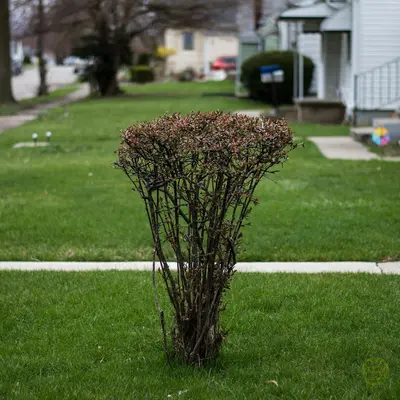
This native North American shrub offers three seasons of interest with its deep purple foliage, clusters of white flowers in spring, and colorful seed pods in fall. Diablo ninebark is incredibly tough and adaptable, thriving in conditions where other shrubs struggle while providing habitat for beneficial insects and birds. The dramatic dark foliage creates stunning contrast with lighter plants and the peeling bark adds winter interest.
Sun
Full sun to partial shade
Zones
2–8
USDA hardiness
Height
5-8 feet
Planting Timeline
Showing dates for Ninebark Diablo in USDA Zone 7
All Zone 7 shrub →Zone Map
Click a state to update dates
Ninebark Diablo · Zones 2–8
Growing Details
Complete Growing Guide
Light: Full sun (6 or more hours of direct sunlight a day), Partial Shade (Direct sunlight only part of the day, 2-6 hours). Soil: Clay, Loam (Silt), Sand. Soil pH: Acid (<6.0), Alkaline (>8.0), Neutral (6.0-8.0). Drainage: Good Drainage, Moist, Occasionally Dry. Height: 5 ft. 0 in. - 8 ft. 0 in.. Spread: 4 ft. 0 in. - 6 ft. 0 in.. Spacing: 6-feet-12 feet. Growth rate: Rapid. Maintenance: Medium. Propagation: Root Cutting, Seed, Stem Cutting. Regions: Coastal, Mountains, Piedmont.
Harvesting
Drooping clusters (seed capsules), round in shape display from July to September.
Color: Red/Burgundy. Type: Capsule.
Harvest time: Fall, Summer
Storage & Preservation
Ninebark Diablo is an ornamental shrub, not a food crop, so traditional storage and preservation methods don't apply. The plant itself requires no harvesting or storage. For propagation purposes, hardwood cuttings taken in fall can be stored in cool, moist conditions (35-40°F, 60-70% humidity) for 2-3 months in a cold frame. Alternatively, collect seeds in fall and store dry at cool temperatures (32-50°F) until spring planting. For maintaining the established shrub, mulch around the base after winter to preserve soil moisture and protect roots from temperature fluctuations.
History & Origin
Origin: Central and eastern North America
Advantages
- +Attracts: Bees, Butterflies, Pollinators, Small Mammals, Songbirds
- +Fast-growing
Companion Plants
Ninebark 'Diablo' is a structural plant — the tall, dark anchor in a mixed border — and its best companions play off that contrast without competing for the same root space. Coral Bells (Heuchera) and Japanese Painted Fern work well at its feet because both are shallow-rooted, tolerate the partial shade cast on the shrub's north side, and their silver or chartreuse foliage reads sharply against 'Diablo's deep burgundy. Astilbe fills a similar role where soil stays a bit more moisture-retentive. Spirea and Hydrangea are solid neighbors at the same tier — their root systems run at comparable depth without crowding, and bloom timing staggers usefully, with Spirea tending to peak while 'Diablo' is still pushing its hardest foliage growth.
The harmful companions have different problems from each other, and they're worth distinguishing. Black Walnut (Juglans nigra) produces juglone, an allelopathic compound that accumulates in the soil. Physocarpus has more tolerance than, say, tomatoes or blueberries, but planting a shrub you intend to keep for 20 years next to a juglone source is a slow bet against yourself. Tree of Heaven (Ailanthus altissima) is also allelopathic, and it's invasive across much of zones 5–8 — if it's on your property, removal is the right move regardless of what else you're planting. Butterfly Bush (Buddleja davidii) won't chemically harm 'Diablo', but it's listed as invasive in a growing number of states and doesn't belong in a planting you're trying to manage responsibly.
Plant Together
Coral Bells
Similar soil and light requirements, provides contrasting foliage texture and seasonal interest
Astilbe
Thrives in partial shade created by ninebark, adds complementary flowering periods
Hosta
Benefits from dappled shade of ninebark, provides contrasting leaf shape and texture
Ferns
Enjoys the cool, moist microclimate created by ninebark's canopy
Spirea
Similar growing conditions and maintenance needs, creates layered shrub plantings
Hydrangea
Compatible moisture and soil requirements, provides sequential blooming periods
Japanese Painted Fern
Thrives in partial shade, silver foliage complements dark purple ninebark leaves
Serviceberry
Native companion with similar habitat preferences, attracts beneficial wildlife
Keep Apart
Black Walnut
Produces juglone toxin that can stunt growth and cause leaf yellowing in ninebark
Butterfly Bush
Competes aggressively for water and nutrients, may overtake slower-growing ninebark
Tree of Heaven
Allelopathic properties inhibit growth of nearby native plants including ninebark
Pests & Disease Resistance
Resistance
Excellent disease resistance, very hardy native
Common Pests
Very few pest problems, excellent pest resistance
Diseases
Highly resistant, occasional leaf spot in humid conditions
Troubleshooting Ninebark Diablo
What you'll see, why it happens, and what to do about it.
White powdery coating on leaf surfaces in mid to late summer, mostly on new growth
Likely Causes
- Powdery mildew (Erysiphe physocarpi) — common in humid summers with warm days and cool nights
- Dense planting that restricts airflow around the canopy
What to Do
- 1.Prune out the worst-affected stems and dispose of them — don't compost
- 2.If it's spreading, apply a potassium bicarbonate or neem oil spray in the evening, repeating every 7-10 days
- 3.Next season, thin the interior of the shrub after flowering to open it up
Brown or tan spots on leaves in a wet summer, some leaf drop by August
Likely Causes
- Leaf spot (Cercospora or Phyllosticta spp.) — fungal, worsened by overhead irrigation or prolonged rain
- Poor air circulation in tight beds or against a wall
What to Do
- 1.Strip and trash affected leaves — don't leave them on the soil surface
- 2.Switch any irrigation to drip or soaker hose and water in the morning, not evening
- 3.A light thinning prune after bloom helps; full removal is rarely necessary
Leaves fading from deep burgundy-purple to a dull greenish-brown over the course of the season
Likely Causes
- Too much shade — 'Diablo' needs at least 5-6 hours of direct sun to hold its foliage color
- Planting too close to a large tree canopy that fills in by July
What to Do
- 1.Assess the site in late June when surrounding trees are fully leafed out and count actual sun hours
- 2.If the shrub is getting under 4 hours of direct sun, consider relocating it in early spring before bud break
- 3.No fertilizer fix will compensate for insufficient light — this one's a siting problem
Stem tips dying back in late winter, well past what normal dormancy looks like
Likely Causes
- Late hard freeze after early bud swell — most common in zones 5-6 during erratic springs
- Planting in a low spot where cold air pools overnight
What to Do
- 1.Wait until late April before cutting anything back — new growth often pushes from lower on the stem
- 2.Prune dead wood back to living tissue (green cambium when you scratch the bark) once you can see where it stops
- 3.'Diablo' is rated to zone 2, so full kill is rare; tip dieback usually looks worse than it is
Frequently Asked Questions
Is Ninebark Diablo good for beginner gardeners?▼
Can you grow Ninebark Diablo in containers?▼
When should I plant Ninebark Diablo?▼
How much sun does Ninebark Diablo need?▼
How tall and wide does Ninebark Diablo grow?▼
What are the seasonal features of Ninebark Diablo?▼
Zone-by-Zone Planting Calendar
Growing Guides from Wind River Greens
Sources & References
External authority sources used in compiling this guide.
- ExtensionNC State Extension
See the Methodology page for how this data is sourced, what's AI-assisted, and known limitations.