Potomac Appleblossom
Antirrhinum majus
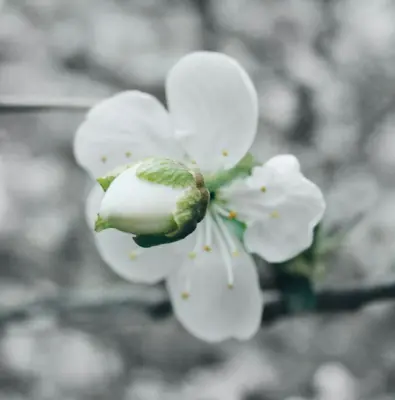
White blooms dusted with pink. These bicolor blooms are suitable for field or greenhouse production. Group 3-4: Warm season snapdragons are bred for optimal performance under long days, high light levels, and warm temperatures. Edible Flowers: The flowers are a colorful garnish for use in salads, desserts, and drinks. The flavor is floral and slightly bitter, so use sparingly.
Harvest
110-120d
Days to harvest
Sun
Full sun to partial shade
Zones
7–10
USDA hardiness
Height
0-3 feet
Planting Timeline
Showing dates for Potomac Appleblossom in USDA Zone 7
All Zone 7 flower →Zone Map
Click a state to update dates
Potomac Appleblossom · Zones 7–10
Growing Details
Succession Planting
Potomac Appleblossom takes 110-120 days from seed to bloom, so succession planting is really about extending your cut flower window rather than guaranteeing a continuous harvest from a single sowing. Start your first round indoors in February, transplant out in April after last frost, and start a second round indoors in early March for a late-May transplant. That gap produces two distinct flush periods rather than one drawn-out one.
Stop transplanting by mid-May in most zone 7 gardens. Snapdragons are cool-season performers at heart — they bloom hard in spring, stall when daytime highs consistently hit 85°F, and often push a second flush in September if you deadhead consistently through the summer slump. A fall round started indoors in late July for an early September transplant can pay off well where the first frost holds off until late October or November.
Complete Growing Guide
White blooms dusted with pink. These bicolor blooms are suitable for field or greenhouse production. Group 3-4: Warm season snapdragons are bred for optimal performance under long days, high light levels, and warm temperatures. Edible Flowers: The flowers are a colorful garnish for use in salads, desserts, and drinks. The flavor is floral and slightly bitter, so use sparingly. According to Johnny's Selected Seeds, Potomac Appleblossom is 110 - 120 days to maturity, annual, hybrid (f1). Notable features: Easy Choice, Greenhouse Performer, Use for Cut Flowers and Bouquets, Edible Flowers, Fragrant.
Light: Full sun (6 or more hours of direct sunlight a day), Partial Shade (Direct sunlight only part of the day, 2-6 hours). Soil: High Organic Matter. Drainage: Good Drainage. Height: 0 ft. 6 in. - 3 ft. 0 in.. Spread: 0 ft. 6 in. - 0 ft. 10 in.. Spacing: Less than 12 inches. Growth rate: Medium. Maintenance: Medium.
Harvesting
Potomac Appleblossom reaches harvest at 110 - 120 days from sowing per Johnny's Selected Seeds. As an annual, harvest continues until frost ends the season.
A capsule, half hidden by calyx lobes, short-beaked.
Type: Capsule. Length: 1-3 inches.
Storage & Preservation
Fresh-cut Potomac Appleblossom flowers last longest in a cool environment. Store arrangements in a vase with flower food at 65–70°F, away from direct sunlight and ripening fruit (which releases ethylene gas, shortening vase life). Change water every 2–3 days and re-cut stems to maintain hydration.
For extended enjoyment, dry flowers by hanging bundles upside down in a dark, well-ventilated room for 2–3 weeks. Once fully crisp, store in airtight containers away from moisture and direct light—dried Potomac Appleblossom blooms retain color and shape for several months.
If using flowers as edible garnish, consume fresh within 1–2 hours of harvest for peak flavor and appearance. Candying is also viable: lightly brush petals with egg white, dust with superfine sugar, and dry on parchment at room temperature for 24–48 hours. Store candied flowers in an airtight container with parchment between layers for up to one month.
History & Origin
Potomac Appleblossom is an F1 hybrid developed through controlled cross-pollination. Listed in the Johnny's Selected Seeds catalog.
Origin: Southwestern Europe
Advantages
- +Striking white and pink bicolor blooms create distinctive visual appeal in arrangements
- +Easy difficulty level makes it suitable for beginner and experienced growers alike
- +Versatile for both field and greenhouse production systems without special requirements
- +Edible flowers provide unique culinary garnish option for upscale food presentations
- +Warm season breeding ensures reliable performance under optimal summer growing conditions
Considerations
- -110-120 day timeline requires significant patience before reaching marketable flower stage
- -Slightly bitter floral flavor necessitates restrained use in culinary applications
- -Snapdragons susceptible to rust and powdery mildew in humid greenhouse environments
- -Requires warm temperatures and high light levels; underperforms in cool or shaded conditions
Companion Plants
Lavender and catmint are probably the most useful neighbors for Potomac Appleblossom. Both attract predatory wasps and hoverflies that feed on thrips and aphids — two pests that work through a snapdragon planting quietly before you notice the damage. They also share a preference for good drainage and don't compete aggressively for water, so planting them 12-18 inches out from your snapdragon edge makes practical sense, not just aesthetic sense. Marigolds (Tagetes species) pull double duty: French marigolds in particular are well-documented by NC State Extension for deterring aphids and disrupting thrips with their volatile compounds, and they fill gaps in a cutting bed without stealing the show.
Sweet alyssum flowers fast, stays low, and keeps a steady stream of beneficial insects working at ground level — it's essentially a living insectary planting that costs almost nothing to seed in. Nasturtiums can serve as a trap crop for aphids specifically; aphids tend to colonize nasturtiums first, giving you an early warning and a plant you can pull and trash before populations migrate to the snapdragons.
Black walnut and eucalyptus are the two to keep well clear of. Walnut roots release juglone, which suppresses growth in many sensitive annuals, and eucalyptus drops terpene-rich leaf litter that acts as a soil suppressant as it breaks down. Sunflowers are a different problem — less about chemistry, more about the fact that a 5-6 foot sunflower planted on the south side of a snapdragon bed will shade out plants that need 4-6 hours of direct sun to bloom well.
Plant Together
Lavender
Attracts beneficial pollinators and repels aphids and other pests
Marigolds
Natural pest deterrent and attracts beneficial insects while repelling nematodes
Sweet Alyssum
Ground cover that attracts beneficial insects and provides living mulch
Chives
Repels aphids and other soft-bodied insects while attracting pollinators
Nasturtiums
Acts as trap crop for aphids and adds vibrant color contrast
Yarrow
Attracts beneficial insects and improves soil health through deep roots
Catmint
Repels ants, aphids, and rodents while attracting bees and butterflies
Cosmos
Attracts beneficial insects and provides structural support without competition
Keep Apart
Black Walnut
Produces juglone toxin that inhibits growth and can kill sensitive flowering plants
Eucalyptus
Releases allelopathic compounds that suppress growth of nearby plants
Sunflowers
Allelopathic effects and aggressive root system competes for nutrients and water
Pests & Disease Resistance
Common Pests
Spider mites, thrips, aphids
Diseases
Powdery mildew, rust, damping-off
Troubleshooting Potomac Appleblossom
What you'll see, why it happens, and what to do about it.
Fine webbing on the undersides of leaves, foliage looking dusty or stippled, plants losing color from the top down
Likely Causes
- Spider mites (Tetranychus urticae) — thrive in hot, dry conditions above 80°F
- Underwatering or inconsistent moisture stressing the plant and making it more vulnerable
What to Do
- 1.Blast the undersides of leaves with a strong stream of water for several days running — it physically knocks the mite population down fast
- 2.Apply insecticidal soap or neem oil, coating the undersides thoroughly; repeat every 5-7 days for 3 applications
- 3.Keep soil consistently moist — drought-stressed snapdragons draw mite pressure earlier and harder than well-watered ones
White powdery coating on leaves and stems, usually showing up mid-season when nights start cooling
Likely Causes
- Powdery mildew (Erysiphe antirrhini) — a fungal disease that spreads by airborne spores and loves the combination of warm days and cool, humid nights
- Crowded planting under 12 inches apart that limits airflow between plants
What to Do
- 1.Remove and trash (don't compost) the worst-affected leaves immediately
- 2.Spray with a dilute potassium bicarbonate solution or a baking soda mix (1 tablespoon per gallon of water with a few drops of dish soap) weekly
- 3.Next season, hold spacing at the full 18 inches and switch to drip or base watering so foliage dries quickly
Orange or rust-colored pustules on the undersides of leaves, with yellowing on the top surface directly above each pustule
Likely Causes
- Snapdragon rust (Puccinia antirrhini) — a host-specific fungal rust that spreads through windborne spores and overwinters on plant debris
- Wet foliage from overhead watering or prolonged leaf wetness after rain
What to Do
- 1.Strip infected leaves immediately and dispose of them in the trash, not the compost pile
- 2.Switch to drip or base watering so foliage stays dry
- 3.For severe outbreaks, apply a sulfur-based fungicide per label directions — hold off if temperatures are above 90°F or you'll scorch the leaves
Seedlings collapsing at the soil line, often in patches, within the first 2-3 weeks after germination
Likely Causes
- Damping-off — typically Pythium or Rhizoctonia species establishing in the germination mix
- Overwatering combined with poor drainage or a non-sterile seed-starting medium
What to Do
- 1.Use a fresh, sterile seed-starting mix every season — don't reuse last year's tray medium
- 2.Water from below by setting trays in a shallow pan, and let the surface dry slightly between waterings
- 3.Run a small fan near your trays a few hours a day; moving air dries the soil surface and cuts fungal spread significantly
Frequently Asked Questions
How long does Potomac Appleblossom take to grow from seed to flower?▼
Is Potomac Appleblossom good for beginner gardeners?▼
Can you grow Potomac Appleblossom in containers and pots?▼
What does Potomac Appleblossom taste like as an edible flower?▼
When should I plant Potomac Appleblossom seeds?▼
How do I maximize blooms on Potomac Appleblossom?▼
Zone-by-Zone Planting Calendar
| Zone | Indoor Start | Transplant | Direct Sow | Harvest |
|---|---|---|---|---|
| Zone 1 | May – June | July – August | July – September | — |
| Zone 2 | April – May | June – July | June – August | — |
| Zone 11 | January – January | January – February | January – March | — |
| Zone 12 | January – January | January – February | January – March | — |
| Zone 13 | January – January | January – February | January – March | — |
| Zone 3 | April – May | June – July | June – August | — |
| Zone 4 | March – April | June – June | June – July | — |
| Zone 5 | March – April | May – June | May – July | — |
| Zone 6 | March – April | May – June | May – July | — |
| Zone 7 | February – March | April – May | April – June | — |
| Zone 8 | February – March | April – May | April – June | — |
| Zone 9 | January – February | March – April | March – May | — |
| Zone 10 | January – January | February – March | February – April | — |
Growing Guides from Wind River Greens
Sources & References
External authority sources used in compiling this guide.
- BreederJohnny's Selected Seeds
See the Methodology page for how this data is sourced, what's AI-assisted, and known limitations.