Spicy Bush
Ocimum basilicum var. minimum
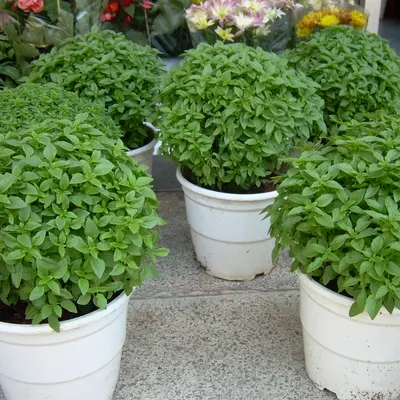
Spicy/sweet basil flavor packed into 1" long leaves. Decorative plants are great for growing in small spaces, pots, or garden beds. Plants are about twice the size of Pluto. Ht. 8-14".
Harvest
50-55d
Days to harvest
Sun
Full sun to partial shade
Zones
10–10
USDA hardiness
Height
0-3 feet
Planting Timeline
Showing dates for Spicy Bush in USDA Zone 7
All Zone 7 herb →Zone Map
Click a state to update dates
Spicy Bush · Zones 10–10
Growing Details
Succession Planting
Spicy Bush keeps producing if you harvest regularly, so a single sowing can carry you a long way — but starting a second small batch 4–5 weeks after your first transplants go in gives you a fresh, vigorous plant heading into late summer when the original planting starts to go woody. Sow indoors in late February or March, transplant after last frost (April through early June in most temperate zones), and make a second sowing in early June so young plants are ready by August.
Stop sowing once daytime highs are consistently above 90°F — germination drops off and seedlings struggle to establish. Spicy Bush also bolts quickly once day length shortens in late summer, so pinch flower spikes on your older plants to buy a few more weeks of leaf production while the second sowing catches up.
Complete Growing Guide
Spicy Bush basil thrives when started indoors about six weeks before your last spring frost date, giving you a head start on this fast-growing variety. You can also direct sow seeds outdoors after all danger of frost has passed and soil has warmed to at least 70°F. Indoor starting works particularly well for Spicy Bush since these compact plants reach maturity quickly—typically ready to harvest in just 50 days. Whether you start seeds indoors or direct sow, plant them about one-quarter inch deep and keep the soil consistently moist until germination occurs, which typically takes seven to ten days.
Spicy Bush's diminutive stature and decorative appeal make it perfect for container growing, but spacing matters even for this miniature cultivar. Space plants six to eight inches apart if growing multiple plants in a garden bed, or use individual four to six-inch pots for container cultivation. This variety prefers well-draining soil rich in organic matter; amend your beds or containers with compost before planting. Since these plants stay relatively small compared to standard basil varieties, they're less demanding of space but still appreciate nutrient-rich growing conditions.
Water Spicy Bush consistently, keeping soil evenly moist but not waterlogged. These shallow-rooted plants need regular watering, especially during hot, dry periods. Feed every two to three weeks with a balanced, water-soluble fertilizer once plants are established, or use a slow-release fertilizer mixed into potting soil at planting time. Regular feeding supports the prolific leaf production that makes this variety so rewarding.
Watch for spider mites and Japanese beetles, which seem particularly attracted to Spicy Bush's tender foliage. Inspect plants weekly, checking both leaf surfaces. Spider mites thrive in hot, dry conditions, so maintaining consistent moisture and occasional misting can help prevent infestations. Powdery mildew can also affect this variety in humid conditions; ensure good air circulation around plants and avoid overhead watering.
The key to maximizing Spicy Bush's productivity is aggressive, regular pruning. Pinch off the top two leaves regularly to encourage bushier growth and prevent early flowering. This technique keeps plants compact and productive throughout the season. Succession planting every two to three weeks ensures a continuous harvest, and the short 50-day cycle makes this practical even in shorter growing seasons.
The most common mistake gardeners make with Spicy Bush is treating it like full-size basil varieties. While regular basil benefits from occasional rest periods, Spicy Bush actually prefers constant, gentle harvesting. These plants want to be picked regularly—remove leaves consistently, and you'll maintain a prettier, bushier plant that produces far more usable foliage than if left untouched. Your frequent harvesting is exactly what keeps this decorative variety at its best.
Harvesting
Spicy Bush reaches harvest at 50 - 55 days from sowing per Johnny's Selected Seeds. Expect 1" at peak. As an annual, harvest continues until frost ends the season.
Edibility: Leaves and flowers in tea, as flavoring
Storage & Preservation
Fresh Spicy Bush leaves store best at 40–50°F in a sealed plastic bag or container lined with paper towels to absorb excess moisture; they'll keep 7–10 days refrigerated. For longer preservation, freezing works exceptionally well: chop leaves, pack into ice cube trays with a little water or olive oil, then transfer frozen cubes to freezer bags for up to three months. Drying is equally effective—hang small bundles in a warm, airy space or use a dehydrator at 95–105°F until crisp, then store in airtight jars away from light. Because these dwarf leaves are delicate, avoid bruising during harvest and storage; handle gently to preserve their spicy aromatics. A useful trick: freeze whole leaves between parchment sheets rather than chopping first; they retain more flavor and can be crumbled as needed.
History & Origin
Spicy Bush is open-pollinated, meaning seed saved from healthy plants will produce true-to-type offspring. Listed in the Johnny's Selected Seeds catalog.
Origin: Tropical Africa and Asia
Advantages
- +Compact 8-14" height perfect for container gardening and small spaces
- +Tiny 1" leaves offer intense spicy-sweet basil flavor in decorative form
- +Fast 50-55 day maturity provides quick harvests for impatient gardeners
- +Ornamental appearance makes plants attractive in windowsills and aesthetic gardens
- +Easy difficulty level makes this variety ideal for beginner herb growers
Considerations
- -Miniature leaf size requires frequent harvesting to accumulate usable quantities
- -Small plant stature produces lower total yields compared to standard basil varieties
- -Compact growth can become leggy without consistent pinching and maintenance
- -Limited foliage density means plants may look sparse if not properly pruned
Companion Plants
Tomatoes are the most practical neighbor for Spicy Bush — they share similar heat and water requirements, and a compact basil planted 12–18 inches from the base of a tomato can help confuse aphids and whiteflies that are looking for a landing spot. Marigolds (especially Tagetes patula) earn a spot nearby by deterring root-knot nematodes and pulling in aphid predators like hoverflies. Chives add allium chemistry to the mix, which some research suggests discourages certain aphid species from settling in. NC State Extension notes that interplanting breaks up expanses of pest-preferred crops and gives you more reaction time before an infestation spreads — that's the practical payoff, not any single pairing working miracles.
Keep Spicy Bush away from fennel and rue. Fennel is allelopathic to a wide range of plants and will stunt a basil planted within a foot or two — you'll see it go pale and stop putting on new growth without any obvious cause. Rue produces phytotoxic compounds at close range. Black walnut is the worst of the three: its roots release juglone through the surrounding soil, and basil is sensitive enough that you'll see wilting and collapse well within a single season if it's planted anywhere near the canopy drip line.
Plant Together
Basil
Repels aphids and spider mites, enhances essential oil production
Oregano
Attracts beneficial insects and provides natural pest deterrent
Thyme
Repels cabbage worms and aphids, shares similar growing conditions
Rosemary
Deters moths and beetles, complementary aromatic properties
Marigolds
Natural nematode control and attracts beneficial predatory insects
Tomatoes
Bush provides natural pest protection while benefiting from tomato's growth pattern
Chives
Repels aphids and improves soil health through sulfur compounds
Nasturtiums
Acts as trap crop for aphids and adds beneficial insects
Keep Apart
Black Walnut
Produces juglone toxin that inhibits growth of most herbs and vegetables
Fennel
Allelopathic properties suppress growth of nearby herbs and vegetables
Rue
Inhibits growth of most herbs through chemical compounds in root system
Nutrition Facts
Per 100g serving. % Daily Value based on 2,000 calorie diet. Source: USDA FoodData Central (FDC #172232)
Pests & Disease Resistance
Common Pests
Japanese beetles, spider mites, aphids, whiteflies
Diseases
Fusarium wilt, root rot, bacterial spot, powdery mildew
Troubleshooting Spicy Bush
What you'll see, why it happens, and what to do about it.
Seedlings collapse at soil level, stems pinched and dark, within the first 2 weeks after germination
Likely Causes
- Damping off — typically Pythium or Rhizoctonia fungi thriving in overly wet, poorly drained seed-starting mix
- Overwatering combined with low airflow around seedlings
What to Do
- 1.Water from below by setting trays in water for 10–15 minutes, then letting them drain fully
- 2.Run a small fan near your seed trays to keep air moving — this alone cuts damping off significantly
- 3.If it keeps happening, drench surviving seedlings once with a dilute hydrogen peroxide solution (1 part 3% H2O2 to 9 parts water)
Plant wilts and yellows from the base up despite adequate soil moisture, stems show brown discoloration inside when cut
Likely Causes
- Fusarium wilt (Fusarium oxysporum) — a soil-borne fungus that clogs the vascular tissue
- Root rot from Pythium or Phytophthora, often triggered by waterlogged soil
What to Do
- 1.Pull and bag the affected plant — don't compost it, and don't replant basil in that spot for at least 2 seasons
- 2.Improve drainage before the next planting: work in 2–3 inches of compost or raise the bed
- 3.Rotate the bed out of basil entirely — NC State Extension's disease management guidance notes that some soil-borne pathogens like Fusarium persist long enough that short rotations don't cut it
White powdery coating on upper leaf surfaces, usually appearing after day 40 in humid or crowded conditions
Likely Causes
- Powdery mildew — a fungal disease that, unlike most fungi, thrives in warm dry days with cool humid nights rather than wet conditions
- Overcrowded planting that restricts airflow between plants
What to Do
- 1.Space plants at least 12 inches apart — 18 is better for Spicy Bush in a tight bed
- 2.Pinch out heavily affected stems and harvest aggressively to open up the canopy
- 3.Spray affected foliage with a dilute baking soda solution (1 tablespoon per gallon of water) or a potassium bicarbonate product; apply in the morning so leaves dry before nightfall
Stippled, bronze-toned leaves with fine webbing on the undersides, mostly in hot dry stretches
Likely Causes
- Spider mites (Tetranychus urticae) — populations explode once temps stay above 85°F and plants are drought-stressed
- Inadequate irrigation, which weakens the plant's defenses and creates ideal mite conditions
What to Do
- 1.Blast the undersides of leaves with a strong stream of water — do it 3 days in a row to knock back the population
- 2.Apply insecticidal soap directly to the undersides of affected leaves; repeat every 5–7 days for 2–3 applications
- 3.Water consistently — let the soil dry out between the top inch and 2 inches, but no further; a parched basil is a mite magnet
Frequently Asked Questions
How long does it take to grow Spicy Bush basil from seed to harvest?▼
Is Spicy Bush basil good for beginners?▼
Can you grow Spicy Bush basil in containers?▼
What does Spicy Bush basil taste like?▼
When should I plant Spicy Bush basil?▼
How much sunlight does Spicy Bush basil need?▼
Zone-by-Zone Planting Calendar
| Zone | Indoor Start | Transplant | Direct Sow | Harvest |
|---|---|---|---|---|
| Zone 3 | April – May | June – July | — | July – October |
| Zone 4 | March – April | June – July | — | July – October |
| Zone 5 | March – April | May – June | — | June – October |
| Zone 6 | March – April | May – June | — | June – November |
| Zone 7 | February – March | April – June | — | June – November |
| Zone 8 | February – March | April – May | — | May – December |
| Zone 9 | January – February | March – April | — | April – December |
| Zone 10 | January – January | February – April | — | April – December |
Growing Guides from Wind River Greens
Sources & References
External authority sources used in compiling this guide.
- BreederJohnny's Selected Seeds
- USDAUSDA FoodData Central
See the Methodology page for how this data is sourced, what's AI-assisted, and known limitations.