Katz Apricot
Matthiola incana
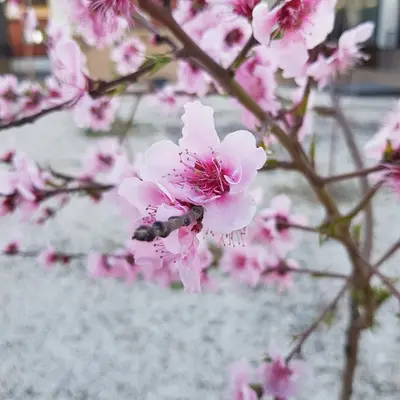
Wikimedia Commons via Matthiola incana
Long stems with 1 1/2-2", light peach blooms. Early blooming one-cut series. Performed well in our spring, early summer, and fall trials. Good uniformity in bloom time and stem length. 55-60% double-flowering without selection; some selection possible. NOTE: This variety produces one flowering stem per plant. Pinching is not advisable as it will terminate flowering. Edible Flowers: The peppery, clove-like flavor of the flowers lends itself well to use as a garnish on salads, desserts, and drinks.
Harvest
90-100d
Days to harvest
Sun
Full sun to partial shade
Zones
6–10
USDA hardiness
Height
1-3 feet
Planting Timeline
Showing dates for Katz Apricot in USDA Zone 7
All Zone 7 flower →Zone Map
Click a state to update dates
Katz Apricot · Zones 6–10
Growing Details
Succession Planting
Katz Apricot stock blooms once per plant and doesn't rebound after cutback, but you can stretch your harvest window with staggered sowings. Start the first batch indoors in February or March — 8 to 10 weeks before your last frost date — then make a second sowing 3 to 4 weeks behind it. Transplant out in April to May once frost risk passes. A direct-sow round in late April or May follows the transplants into the ground and pushes the harvest window later into summer.
Stop sowing once daytime highs are consistently hitting 80–85°F. Heat causes stock to bolt fast and flower quality drops sharply — the spikes get shorter and the scent fades. In cooler climates or spots with light afternoon shade, a late-summer sowing for fall bloom is possible, but in zones 8–10 that window is narrow and not always worth the effort.
Complete Growing Guide
Long stems with 1 1/2-2", light peach blooms. Early blooming one-cut series. Performed well in our spring, early summer, and fall trials. Good uniformity in bloom time and stem length. 55-60% double-flowering without selection; some selection possible. NOTE: This variety produces one flowering stem per plant. Pinching is not advisable as it will terminate flowering. Edible Flowers: The peppery, clove-like flavor of the flowers lends itself well to use as a garnish on salads, desserts, and drinks. According to Johnny's Selected Seeds, Katz Apricot is 90 - 100 days to maturity, annual, open pollinated. Notable features: Use for Cut Flowers and Bouquets, Edible Flowers, Fragrant.
Light: Full sun (6 or more hours of direct sunlight a day), Partial Shade (Direct sunlight only part of the day, 2-6 hours). Soil: Clay, High Organic Matter, Loam (Silt), Sand. Soil pH: Alkaline (>8.0), Neutral (6.0-8.0). Drainage: Good Drainage, Moist. Height: 1 ft. 0 in. - 3 ft. 0 in.. Spread: 0 ft. 9 in. - 1 ft. 6 in.. Spacing: Less than 12 inches, 12 inches-3 feet. Growth rate: Rapid. Maintenance: Low. Propagation: Seed. Regions: Coastal, Mountains.
Harvesting
Katz Apricot reaches harvest at 90 - 100 days from sowing per Johnny's Selected Seeds. Expect 1 1/2-2" at peak. As an annual, harvest continues until frost ends the season.
Seeds will ripen in August and September.
Harvest time: Fall
Storage & Preservation
Katz Apricot flowers are best stored fresh in a cool environment. Keep cut stems in a vase with fresh water at room temperature (65-70°F) away from direct sunlight and ripening fruits, which release ethylene gas. Flowers typically last 5-7 days in water. For preservation, hang-dry bundles in a cool, dark, well-ventilated space for 1-2 weeks to create dried flowers for arrangements. Alternatively, freeze individual petals in ice cube trays with water for later cocktail or dessert garnish use. Candying the petals with egg white and sugar preserves them for 2-3 weeks in an airtight container.
History & Origin
Katz Apricot is open-pollinated, meaning seed saved from healthy plants will produce true-to-type offspring. Listed in the Johnny's Selected Seeds catalog.
Origin: The Coast of Europe from Spain to Greece.
Advantages
- +Light peach blooms provide elegant, soft color for spring and fall arrangements
- +Consistent uniformity in bloom timing and stem length ensures reliable commercial production
- +One-cut series minimizes labor with single flowering stem per plant requiring no pinching
- +Edible flowers with peppery, clove-like flavor add culinary versatility beyond floristry
- +Early blooming characteristic allows multiple plantings per growing season in suitable climates
Considerations
- -Single stem per plant limits yield compared to pinchable varieties with multiple flowers
- -No pinching capability means lost productivity if early flowering stems are damaged
- -90-100 day timeline requires careful season planning to hit market windows
- -Double-flowering rate of 55-60% without selection creates inconsistency in final product appearance
Companion Plants
Lavender and chives are probably the most useful companions for Katz Apricot stock. Both attract predatory wasps and hoverflies — insects that prey on the aphids (green peach aphid, Myzus persicae) that target Matthiola's soft new growth. NC State Extension notes chives as an aphid deterrent when planted in dense clusters near susceptible crops. Marigolds, particularly Tagetes patula, release thiophene compounds from their roots that suppress certain soil nematodes, and their scent may disrupt incoming pest pressure. Plant them within 12 inches of your stock rows — one marigold sitting 4 feet away isn't doing much.
Nasturtiums earn a spot because they act as a trap crop, pulling aphid colonies away from your stock before infestations build. Their sprawling habit also shades soil enough to slow moisture loss on warm days. Yarrow and dill both support beneficial insect populations and are fine nearby, though dill can push 3–4 feet tall and will shade shorter stock plants if you're not deliberate about row placement.
The companions to skip are less complicated. Black walnut roots release juglone, a compound documented to damage or kill members of the Brassicaceae family — and Matthiola incana sits squarely in that family, so don't plant stock anywhere near a walnut's root zone. Brassicas (cabbage, broccoli, kale) compete for the same nutrients and share disease pressure, including clubroot (Plasmodiophora brassicae), which can persist in soil for 20 years. Grass encroachment is just straightforward competition — keep bed edges clean with a hoe or landscape fabric.
Plant Together
Lavender
Attracts beneficial pollinators and repels aphids and moths
Chives
Deters aphids and other pests while attracting beneficial insects
Marigolds
Repel nematodes and aphids while attracting predatory insects
Nasturtiums
Act as trap crops for aphids and cucumber beetles
Comfrey
Deep roots bring nutrients to surface and leaves make excellent mulch
Clover
Fixes nitrogen in soil and attracts beneficial insects
Yarrow
Attracts predatory insects and improves soil health
Dill
Attracts beneficial wasps and other predatory insects
Keep Apart
Black Walnut
Produces juglone which is toxic to stone fruit trees
Grass
Competes for nutrients and water, can harbor pests
Brassicas
May stunt growth and compete for similar nutrients
Troubleshooting Katz Apricot
What you'll see, why it happens, and what to do about it.
Seedlings collapse at soil level, stems pinched-looking or water-soaked near the base
Likely Causes
- Damping off (Pythium or Rhizoctonia spp.) — fungal rot that thrives in cold, wet, poorly drained seedling mix
- Overwatering combined with low airflow around trays
What to Do
- 1.Toss the affected seedlings — there's no saving them once the stem collapses
- 2.Bottom-water remaining trays instead of overhead watering, and run a small fan nearby to keep air moving
- 3.Next sowing, use a sterile, well-draining seed-starting mix and don't let trays sit in standing water
Lower leaves turning yellow and dropping, plant looks tired despite adequate water
Likely Causes
- Botrytis cinerea (gray mold) — especially in humid conditions with dense foliage
- Nitrogen deficiency in sandy or low-organic soils that drain too fast
What to Do
- 1.Strip yellowing lower leaves and dispose of them in the trash, not the compost pile
- 2.Thin or space plants to at least 9–12 inches apart to open up airflow
- 3.Side-dress with a balanced granular fertilizer (something like 10-10-10) if soil fertility is suspect
Sticky, distorted new growth at shoot tips; flower buds failing to open or opening misshapen
Likely Causes
- Aphid infestation (commonly green peach aphid, Myzus persicae) — they cluster on soft new tissue
- Thrips (Frankliniella occidentalis) feeding inside unopened buds
What to Do
- 1.Knock aphids off with a firm stream of water from a hose; repeat every 2–3 days until populations drop
- 2.For thrips inside buds, apply a spinosad-based spray in the evening when pollinators aren't active
- 3.Check undersides of leaves and inside buds at least once a week during warm weather — early catches are much easier to manage
Powdery white or gray coating on leaves, usually showing up mid-season after plants are established
Likely Causes
- Powdery mildew (Erysiphe cruciferarum) — common on Matthiola in humid summers, especially when nights cool after warm days
- Crowded planting that traps moisture and reduces air circulation
What to Do
- 1.Remove heavily infected leaves and dispose of them away from the bed
- 2.Apply a diluted neem oil spray (2 tbsp per gallon of water with a few drops of dish soap) every 7–10 days once you see the first signs
- 3.Space plants 9 to 12 inches apart from the start — powdery mildew moves fast through stagnant air
Frequently Asked Questions
How long do Katz Apricot flowers last once cut?▼
Is Katz Apricot a good variety for beginners?▼
Can you grow Katz Apricot flowers in containers?▼
What does Katz Apricot flower taste like?▼
When should I plant Katz Apricot flowers?▼
Why shouldn't I pinch Katz Apricot plants?▼
Zone-by-Zone Planting Calendar
| Zone | Indoor Start | Transplant | Direct Sow | Harvest |
|---|---|---|---|---|
| Zone 1 | May – June | July – August | July – September | — |
| Zone 2 | April – May | June – July | June – August | — |
| Zone 11 | January – January | January – February | January – March | — |
| Zone 12 | January – January | January – February | January – March | — |
| Zone 13 | January – January | January – February | January – March | — |
| Zone 3 | April – May | June – July | June – August | — |
| Zone 4 | March – April | June – June | June – July | — |
| Zone 5 | March – April | May – June | May – July | — |
| Zone 6 | March – April | May – June | May – July | — |
| Zone 7 | February – March | April – May | April – June | — |
| Zone 8 | February – March | April – May | April – June | — |
| Zone 9 | January – February | March – April | March – May | — |
| Zone 10 | January – January | February – March | February – April | — |
Growing Guides from Wind River Greens
Sources & References
External authority sources used in compiling this guide.
- BreederJohnny's Selected Seeds
See the Methodology page for how this data is sourced, what's AI-assisted, and known limitations.