Voyage 2 Yellow II
Eustoma grandiflorum
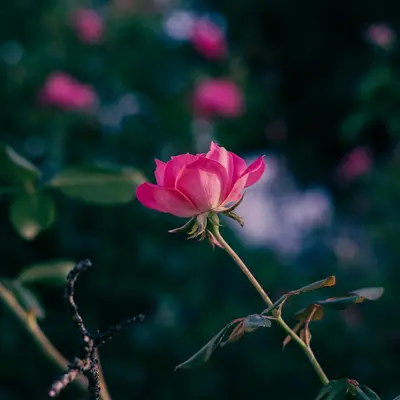
Wikimedia Commons via Eustoma russellianum
These creamy yellow blooms remind us of big scoops of French vanilla ice cream. 2 1/2-4", fully double blooms are lush with abundant layering and ruffling. Group 2, for early spring to summer harvest. Lisianthus is also known as prairie gentian, Texas bluebell, and showy prairie gentian. Pelleted seeds.
Harvest
140-150d
Days to harvest
Sun
Full sun to partial shade
Zones
8–10
USDA hardiness
Height
1-3 feet
Planting Timeline
Showing dates for Voyage 2 Yellow II in USDA Zone 7
All Zone 7 flower →Zone Map
Click a state to update dates
Voyage 2 Yellow II · Zones 8–10
Growing Details
Complete Growing Guide
These creamy yellow blooms remind us of big scoops of French vanilla ice cream. 2 1/2-4", fully double blooms are lush with abundant layering and ruffling. Group 2, for early spring to summer harvest. Lisianthus is also known as prairie gentian, Texas bluebell, and showy prairie gentian. Pelleted seeds. According to Johnny's Selected Seeds, Voyage 2 Yellow II is 140 - 150 days to maturity, annual, hybrid (f1). Notable features: Greenhouse Performer, Use for Cut Flowers and Bouquets.
Light: Full sun (6 or more hours of direct sunlight a day), Partial Shade (Direct sunlight only part of the day, 2-6 hours). Soil: Loam (Silt), Sand. Drainage: Good Drainage, Moist. Height: 1 ft. 0 in. - 3 ft. 0 in.. Spread: 0 ft. 9 in. - 1 ft. 0 in.. Maintenance: High. Propagation: Seed.
Harvesting
Voyage 2 Yellow II reaches harvest at 140 - 150 days from sowing per Johnny's Selected Seeds. Expect 2 1/2-4" at peak. As an annual, harvest continues until frost ends the season.
This is an ornamental variety — not grown for harvest. Enjoy in the garden landscape.
Storage & Preservation
Fresh-cut Voyage 2 Yellow II blooms last longest in a cool location (60-65°F) away from direct sunlight, ethylene-producing fruits, and heating vents. Change water every 2-3 days and recut stem ends at a 45-degree angle to maximize water uptake. Blooms typically hold for 10-14 days with proper care.\n\nFor longer preservation, air-dry blooms by hanging stems upside-down in a warm, dark, well-ventilated space (65-75°F, low humidity) for 7-10 days. Once completely dry, store in airtight containers with silica gel packets to maintain color and prevent moisture reabsorption.\n\nPress individual petals between absorbent paper under heavy books for 2-3 weeks to create pressed flowers suitable for crafts, cards, and resin work. Pressed petals retain their creamy yellow color for years when stored in dry conditions.\n\nFreeze blooms by placing whole stems in water-filled tubes or by individual pressing between parchment for botanical crafts, though frozen blooms won't revive as cut flowers.
History & Origin
Voyage 2 Yellow II is an F1 hybrid developed through controlled cross-pollination. Listed in the Johnny's Selected Seeds catalog.
Origin: Nebraska south to Texas.
Advantages
- +Stunning creamy yellow fully double blooms with abundant ruffling and layering.
- +Extended harvest window from early spring through summer flowering.
- +Impressive 2.5-4 inch bloom size makes impressive cut flower arrangements.
- +Pelleted seeds simplify sowing and spacing compared to tiny raw seeds.
- +Easy difficulty rating means reliable performance for beginning and experienced growers.
Considerations
- -Long 140-150 day growing cycle requires early starting indoors.
- -Lisianthus demands consistently moist but well-draining soil to prevent root rot.
- -Susceptible to Fusarium and other fungal diseases in humid conditions.
- -Finicky about temperature fluctuations during seedling stage causing germination failures.
Companion Plants
Marigolds (French types like 'Bonanza') are the most practical companion here — their root secretions deter aphids and whiteflies, both of which will find lisianthus given the chance. Sweet alyssum planted at the border draws in parasitic wasps that knock back aphid pressure before it builds, and its 6-inch height means zero competition for light. Lavender and catmint add structure nearby without crowding root space, and both repel thrips — a real concern once buds form. Sunflowers are the one to keep at a distance: they shed allelopathic compounds from their roots and, at 5 to 6 feet, they'll put lisianthus in the shade well before it finishes its 140-150 day run.
Plant Together
Marigolds
Repel aphids, whiteflies, and nematodes while attracting beneficial insects
Nasturtiums
Act as trap crops for aphids and cucumber beetles, plus attract pollinators
Sweet Alyssum
Attracts beneficial insects like hoverflies and parasitic wasps for pest control
Petunias
Repel aphids, tomato hornworms, and other garden pests naturally
Lavender
Deters pests with strong fragrance and attracts pollinators like bees
Zinnias
Attract butterflies and beneficial insects while providing complementary colors
Calendula
Repels aphids and whiteflies while attracting beneficial predatory insects
Catmint
Deters ants, aphids, and rodents while being drought-tolerant companion
Keep Apart
Black Walnut
Produces juglone toxin that inhibits growth and can kill sensitive plants
Eucalyptus
Allelopathic oils suppress growth of nearby plants and reduce germination
Sunflowers
Can overshadow smaller plants and may inhibit growth through allelopathic compounds
Pests & Disease Resistance
Common Pests
Aphids, spider mites, whiteflies, thrips (typically minor if air circulation is good)
Diseases
Damping-off (seedling stage), root rot, powdery mildew (in poor air circulation)
Troubleshooting Voyage 2 Yellow II
What you'll see, why it happens, and what to do about it.
Seedlings collapsing at the soil line, stems pinching to a thread, within the first 2-3 weeks of germination
Likely Causes
- Damping-off — typically Pythium or Rhizoctonia fungi thriving in waterlogged, poorly drained seedling mix
- Overwatering combined with low airflow around the tray
What to Do
- 1.Ditch any mix that doesn't drain fast; lisianthus seedlings are tiny and slow — they cannot sit in wet media
- 2.Water from the bottom by setting trays in a shallow dish for 20 minutes, then let them drain completely
- 3.Run a small fan on low near your germination setup to keep surface moisture down
Leaves developing a white, powdery coating, usually starting on older foliage around mid-season
Likely Causes
- Powdery mildew (Erysiphe cichoracearum or related species) — kicks in when plants are crowded and air stagnates around the canopy
- Spacing tighter than 12 inches, which traps humidity between stems
What to Do
- 1.Space plants 12 to 18 inches apart — that's the floor, not a rough target
- 2.Apply a dilute potassium bicarbonate spray (1 tablespoon per gallon) at first sign; it won't reverse existing damage but stops spread
- 3.Water at the base in the morning so foliage dries before nightfall; skip the overhead sprinkler entirely
Buds failing to open, or flowers aborting before fully developing, with no obvious pest damage visible
Likely Causes
- Thrips (Frankliniella occidentalis) feeding inside closed buds — they hide well and the damage looks like bud blast or petal scarring
- Daytime highs above 90°F stressing the plant during bud set — Eustoma grandiflorum is notably heat-sensitive at this stage
What to Do
- 1.Tap a suspect bud over a white sheet of paper and look for tiny, fast-moving slivers — that confirms thrips
- 2.If thrips are present, apply spinosad per label directions, targeting buds directly; repeat after 7 days
- 3.If heat is the culprit, 30-40% shade cloth can shave a few degrees off peak afternoon temperatures
Frequently Asked Questions
How long does Voyage 2 Yellow II lisianthus take to bloom from seed?▼
Can I grow Voyage 2 Yellow II lisianthus in containers?▼
Why are my Voyage 2 Yellow II seedlings dying before germination or shortly after?▼
Is Voyage 2 Yellow II good for beginners?▼
How do I get more blooms from Voyage 2 Yellow II?▼
What's the difference between Voyage 2 Yellow II and other yellow lisianthus varieties?▼
Zone-by-Zone Planting Calendar
| Zone | Indoor Start | Transplant | Direct Sow | Harvest |
|---|---|---|---|---|
| Zone 3 | April – May | June – July | June – August | — |
| Zone 4 | March – April | June – June | June – July | — |
| Zone 5 | March – April | May – June | May – July | — |
| Zone 6 | March – April | May – June | May – July | — |
| Zone 7 | February – March | April – May | April – June | — |
| Zone 8 | February – March | April – May | April – June | — |
| Zone 9 | January – February | March – April | March – May | — |
| Zone 10 | January – January | February – March | February – April | — |
| Zone 1 | May – June | July – August | July – September | — |
| Zone 2 | April – May | June – July | June – August | — |
| Zone 11 | January – January | January – February | January – March | — |
| Zone 12 | January – January | January – February | January – March | — |
| Zone 13 | January – January | January – February | January – March | — |
Growing Guides from Wind River Greens
Sources & References
External authority sources used in compiling this guide.
- ExtensionNC State Extension
- BreederJohnny's Selected Seeds
See the Methodology page for how this data is sourced, what's AI-assisted, and known limitations.