Monstera Deliciosa 'Thai Constellation'
Monstera deliciosa 'Thai Constellation'
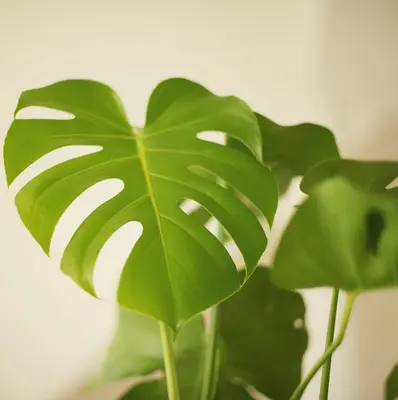
This highly sought-after variegated monstera features stunning cream and white speckled variegation that resembles a starry night sky across its iconic split leaves. Created through tissue culture, it's more stable than other variegated monsteras and maintains its variegation reliably. Though pricey and slower-growing than the standard monstera, its otherworldly beauty makes it a prized centerpiece for serious plant collectors.
Sun
Partial shade
Zones
10–12
USDA hardiness
Height
3-6 feet
Complete Growing Guide
The Thai Constellation demands brighter indirect light than standard Monstera deliciosa—aim for moderate to bright conditions near an east or west-facing window to maintain vibrant variegation, as insufficient light causes variegated sections to revert to solid green. This cultivar grows noticeably slower than its non-variegated counterpart, so resist overfeeding; fertilize only during active spring and summer growth at half strength to avoid burning the variegated foliage, which is more delicate than typical monstera leaves. Provide warm, humid conditions (60–80% humidity) and well-draining aroid mix to prevent root rot, a particular risk since tissue-cultured plants often arrive with sensitive root systems. Watch closely for spider mites and mealybugs, which are drawn to the delicate variegated sections; inspect leaf undersides weekly and treat infestations promptly with neem oil. One essential tip: rotate your plant monthly to encourage even growth and prevent the stems from stretching toward light, a tendency that compromises its architectural appeal and variegation distribution.
Light: Dappled Sunlight (Shade through upper canopy all day), Partial Shade (Direct sunlight only part of the day, 2-6 hours). Soil: High Organic Matter, Loam (Silt). Soil pH: Neutral (6.0-8.0). Drainage: Good Drainage, Moist. Spacing: 6-feet-12 feet. Growth rate: Rapid. Maintenance: Medium. Propagation: Layering, Stem Cutting.
Harvesting
Since the Monstera Deliciosa 'Thai Constellation' is purely ornamental, harvesting refers to cutting stems for propagation or arrangement rather than food production. Mature leaves displaying full variegation patterns with cream and white speckles indicate readiness for cutting, and stems should feel woody and established rather than soft or new. This cultivar supports continuous harvesting throughout the growing season, allowing you to take single stems without compromising the plant's overall vigor, though spacing cuts several weeks apart prevents stress. Timing your harvests in spring and early summer maximizes the plant's ability to recover and produce new variegated growth, while avoiding cuts during dormancy in winter ensures the plant can heal efficiently and maintain its signature celestial aesthetic.
This plant produces an aggregate of creamy-white berries covered by green hexagonal "scales"; the fruit is ripe once the scale covering it falls off naturally. These berries are edible and taste like a mixture of banana and pineapple. Rarely produces fruit as a houseplant.
Color: Cream/Tan, Green, White. Type: Aggregate, Berry. Length: > 3 inches. Width: 1-3 inches.
Garden value: Edible
Edibility: Only ripe fruits are edible and are used to flavor drinks and ice cream or are eaten fresh. Some people are allergic.
Storage & Preservation
As an ornamental houseplant, Monstera Deliciosa 'Thai Constellation' doesn't require traditional storage. Keep the plant indoors at room temperature (65-75°F) with moderate humidity (50-60%) to maintain variegation vibrancy and prevent pest issues. For preservation, propagate stems in water or moist sphagnum moss to create backup plants and ensure variegation is maintained through tissue culture cuttings. Periodically prune leggy growth to encourage fuller development. Store any cuttings in humid propagation containers until roots establish. The plant's variegation becomes more pronounced with stable light and humidity conditions over time.
History & Origin
The Monstera deliciosa 'Thai Constellation' emerged from tissue culture propagation in Thailand, likely during the early 2000s, though precise documentation of its original breeder and introduction date remains scarce in horticultural literature. It represents a deliberate selection from the variegated Monstera deliciosa lineage, distinguished by its stable, speckled cream and white variegation pattern. Unlike unstable chimeric variegations found in other Monstera cultivars, the 'Thai Constellation' maintains its coloration through tissue culture cloning, ensuring consistency across propagated specimens. The cultivar gained prominence in the international houseplant trade through Southeast Asian nurseries before spreading to Western collectors, becoming one of the most coveted variegated Monstera varieties despite limited early documentation of its formal breeding history.
Origin: Mexico to Panama
Advantages
- +Stunning cream and white variegation creates an otherworldly, visually striking appearance
- +Tissue culture origin ensures stable variegation that reliably persists across new leaves
- +Split leaves develop iconic monstera form while displaying celestial speckled patterns
- +Makes an impressive living centerpiece that elevates any interior design aesthetic
- +More stable variegation than other variegated monstera cultivars available to collectors
Considerations
- -Significantly higher price point makes it inaccessible for budget-conscious plant buyers
- -Grows slower than standard monstera, requiring patience for mature specimen development
- -Susceptible to spider mites, thrips, scale insects, and mealybugs infestations
- -Prone to root rot and leaf spot diseases if watering and humidity mismanaged
Companion Plants
Indoors, companion planting is mostly about matching water and light needs so you're not fighting your own care schedule. Pothos and Philodendron are the most practical neighbors for a Thai Constellation — all three want bright indirect light, similar soil moisture, and humidity above 50%. Boston Fern and Peace Lily share those same preferences and, when clustered together, measurably raise local humidity through transpiration, which benefits the whole group. In Georgia, where forced-air heat drops indoor humidity below 30% by November, that clustering effect is a practical reason to group these plants, not just an aesthetic one.
The mismatches — succulents, cacti, lavender, and Snake Plant — come down to watering cadence, not toxicity or root competition. Succulents and cacti want their soil completely dry for days or weeks; your Thai Constellation will start showing Phytophthora root rot if you try to match that schedule. Snake Plant shrugs off weeks of neglect that would kill a Monstera outright. Keep them in separate rooms if you have to, because one group will always end up sacrificed for the other.
Plant Together
Pothos
Similar humidity and light requirements, creates beneficial microclimate when grouped
Philodendron
Compatible watering schedule and humidity needs, natural pest deterrent when grouped
Spider Plant
Helps increase ambient humidity through transpiration, tolerates similar light conditions
Peace Lily
Creates humid microenvironment, both prefer bright indirect light and similar watering
Boston Fern
Increases humidity levels significantly, thrives in same indirect light conditions
Rubber Plant
Similar care requirements and helps maintain stable humidity levels when grouped
ZZ Plant
Tolerates similar light conditions and helps create beneficial plant community
Fiddle Leaf Fig
Compatible light and humidity preferences, creates attractive plant grouping
Keep Apart
Succulents
Requires much less water and humidity, can develop root rot in Monstera's moist conditions
Cacti
Needs dry conditions and full sun, incompatible with Monstera's humidity and light needs
Lavender
Requires dry soil and full sun exposure, opposite care requirements
Snake Plant
Prefers dry conditions and can suffer from overwatering in Monstera's humid environment
Pests & Disease Resistance
Resistance
Generally resistant but prone to root rot and fungal issues in poor conditions
Common Pests
Spider mites, thrips, scale insects, mealybugs
Diseases
Root rot, leaf spot, mosaic virus
Troubleshooting Monstera Deliciosa 'Thai Constellation'
What you'll see, why it happens, and what to do about it.
Fine webbing on leaf undersides, stippled or bronzed leaf surface
Likely Causes
- Spider mites (Tetranychus urticae) — thrive in hot, dry indoor air, especially near heating vents in winter
- Low humidity accelerating mite reproduction cycles
What to Do
- 1.Blast the undersides of leaves with a strong shower spray in the sink or tub — do it weekly for 3 weeks
- 2.Raise ambient humidity to at least 50% with a humidifier or pebble tray
- 3.If infestation persists after 3 weeks, apply insecticidal soap or neem oil, covering all leaf surfaces
Yellowing lower leaves with mushy, dark-brown stem base at soil level
Likely Causes
- Root rot caused by Phytophthora or Pythium spp. — almost always triggered by overwatering or a pot with no drainage hole
- Soil staying wet for more than 7-10 days between waterings
What to Do
- 1.Unpot the plant immediately and cut away all black or mushy roots with sterile scissors
- 2.Let the root ball air-dry for 30-60 minutes, then repot into fresh, well-draining aroid mix — perlite should make up at least 20-30% of the blend
- 3.Water only when the top 1-2 inches are dry; in a typical heated house in winter, that's often every 10-14 days
Sticky residue on leaves or nearby surfaces, plus small white cottony clusters in leaf axils or along stems
Likely Causes
- Mealybugs (Pseudococcus spp.) — the heavily variegated tissue on Thai Constellation is softer than standard Monstera deliciosa, and sap-sucking insects find it easier going
- New plant introductions bringing hitchhiker insects into the home
What to Do
- 1.Dab individual mealybug clusters with a cotton swab soaked in 70% isopropyl alcohol — works fast on contact
- 2.Follow up with a full-plant spray of neem oil solution (2 tsp neem, 1 tsp dish soap per quart of water) every 7 days for 3 weeks
- 3.Quarantine any new houseplant for at least 2 weeks before placing it near your Monstera
Irregular yellow or pale mosaic patterning on leaves that doesn't match the variety's normal white variegation — new growth comes out distorted or undersized
Likely Causes
- Mosaic virus (Tomato Mosaic Virus or a related tobamovirus) — spread by infected cuttings, contaminated pruning tools, or thrips acting as vectors
- Thrips (Frankliniella occidentalis) feeding damage, which can mimic early viral symptoms and also transmit the virus
What to Do
- 1.Check new growth first for thrips — tiny, fast-moving, straw-colored insects; treat with spinosad spray if found
- 2.If no pests are present and distortion continues across multiple successive leaves, the plant likely has a systemic infection — there is no cure, and it should go in the trash, not the compost, to prevent spread
- 3.Sterilize pruning tools with 10% bleach solution or 70% isopropyl alcohol between plants, every time