Ruby Red Orach
Atriplex hortensis
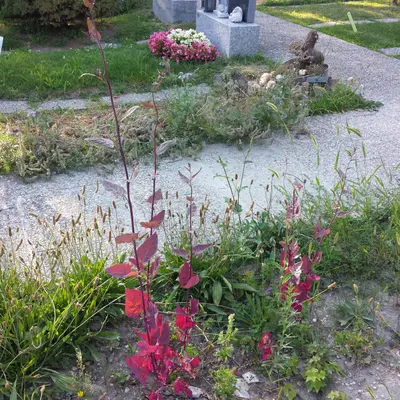
Leaves are deep purple and have a spinach-like flavor. NOTE: Expect a small percentage of all-green plants.
Harvest
28d
Days to harvest
Sun
Part sun
Zones
1–11
USDA hardiness
Height
18-24 inches
Planting Timeline
Showing dates for Ruby Red Orach in USDA Zone 7
All Zone 7 lettuce →Zone Map
Click a state to update dates
Ruby Red Orach · Zones 1–11
Growing Details
Succession Planting
Direct sow every 14–21 days starting around March 1 in zone 7, and keep going through early May. Each planting gives you a cut-and-come-again window of 3–4 weeks before the plants shift into bolting mode — orach sends up seed stalks quickly once daytime highs hold above 80°F, which usually happens late May into June.
Pick it back up in late August or early September with a fall sowing once soil temps drop back below 75°F. Fall plantings tend to be cleaner — flea beetle pressure is lighter, leaves stay more tender — and plants hold without bolting much longer as days shorten. Stop sowing by mid-October in zone 7; germination gets unreliable once nights are regularly hitting the low 40s.
Complete Growing Guide
Growing Ruby Red Orach (Atriplex hortensis) lettuce. Light: Part sun. Hardy in USDA zones 1 to 11. Days to maturity: 28. Difficulty: Easy.
Harvesting
Ruby Red Orach reaches harvest at 28 baby; 40 full size from sowing per Johnny's Selected Seeds. As an annual, harvest continues until frost ends the season.
Ready for harvest in 28 days from sowing or transplant. Harvest at peak ripeness for best flavor and storage life. Pick regularly to encourage continued production where applicable.
Storage & Preservation
Harvest Ruby Red Orach at 28 days for peak tenderness and color. Store fresh leaves in a perforated plastic bag in the refrigerator at 32–40°F with 90–95% humidity; they'll keep for 3–5 days before wilting noticeably. For longer preservation, freezing works best—blanch leaves for 2 minutes, shock in ice water, pat dry, and freeze in airtight containers for up to 8 months. Drying is also effective: hang-dry in bundles or use a dehydrator at 95–105°F until crisp, then store in airtight jars away from light. The leaves lose some of their striking crimson hue when cooked, so consider freezing or drying to better retain color if appearance matters for your use. Avoid canning, as the tender leaves become mushy and lose nutritional value.
History & Origin
Ruby Red Orach is open-pollinated, meaning seed saved from healthy plants will produce true-to-type offspring. Listed in the Johnny's Selected Seeds catalog.
Atriplex hortensis, known as garden orache, red orache or simply orache, mountain spinach, French spinach, or arrach, is a species of plant in the amaranth family used as a leaf vegetable that was common before spinach; it is still grown as a warm-weather alternative to spinach. For many years, it was classified in the goosefoot family (Chenopodiaceae), but it has now been absorbed into the Amaranthaceae. It is Eurasian, native to Asia and Europe, and widely naturalized in Canada, the United States, Australia, and New Zealand.
Advantages
- +Organic-certified seed
- +Easy to grow — beginner-friendly
- +Quick harvest — ready in about 28 days
- +Wide hardiness — grows in USDA zones 1-11
Companion Plants
Radishes and chives pull their weight here for different reasons. Radishes germinate in 5–7 days, break up any light crust on the seedbed while orach is still establishing, and they're out of the ground in 25–30 days before orach needs the room. Chives at the bed edge disrupt aphid host-finding through scent — worth doing because aphids will pile onto orach stems in dense clusters fast if you're not watching. Nasturtiums nearby act as a decoy crop, drawing aphids onto themselves instead, which concentrates the problem somewhere you can actually deal with it. Carrots share the bed fine since their taproot feeds at a different depth and doesn't compete with orach's shallower root zone.
Brassicas are the pairing to avoid. In our zone 7 Georgia garden, both crops attract flea beetles hard in spring, and putting them next to each other just doubles the damage on a single patch of ground. Sunflowers are allelopathic — their roots and decaying debris release compounds that suppress surrounding plants — so keep them at least 3 feet from any greens bed. Black walnut produces juglone, a compound toxic enough to stunt or kill most vegetable crops planted within the drip zone of its canopy.
Plant Together
Chives
Repels aphids and other soft-bodied insects that commonly attack leafy greens
Lettuce
Similar growing requirements and harvest timing, efficient use of garden space
Radishes
Quick harvest breaks up soil and deters flea beetles that can damage orach leaves
Carrots
Deep roots don't compete with shallow orach roots, maximizes garden space
Marigolds
Repel aphids, whiteflies, and other pests while attracting beneficial insects
Spinach
Similar cool-season growing requirements and complementary harvest schedule
Nasturtiums
Act as trap crop for aphids and add color while repelling cucumber beetles
Dill
Attracts beneficial insects like ladybugs and parasitic wasps that control pests
Keep Apart
Sunflowers
Tall growth creates excessive shade and competes heavily for nutrients and water
Brassicas
Heavy feeders that compete for similar nutrients, may attract shared pests like flea beetles
Black Walnut
Releases juglone toxin that inhibits growth of many vegetables including orach
Nutrition Facts
Per 100g serving. % Daily Value based on 2,000 calorie diet. Source: USDA FoodData Central (FDC #2346388)
Pests & Disease Resistance
Common Pests
Aphids, flea beetles, slugs
Diseases
Downy mildew, leaf spot
Troubleshooting Ruby Red Orach
What you'll see, why it happens, and what to do about it.
Seedlings collapse at soil level within the first 7–10 days after direct sowing, sometimes with a white fuzzy mold on the soil surface nearby
Likely Causes
- Damping off — a complex of soil-borne fungi (Pythium, Rhizoctonia) that thrives in wet, poorly drained seedbeds
- Overwatering or heavy clay soil holding too much moisture after germination
What to Do
- 1.Let the affected spot dry out before resowing, then work in compost to open up drainage
- 2.Sow shallowly at 1/4 inch deep and avoid any overhead watering once seeds are in the ground — water at the base or use drip
- 3.Rotate orach out of that bed for at least one season; NC State Extension's IPM guidance on dead lettuce seedlings points to investigating soil conditions first, before reaching for a fungicide
Leaves riddled with tiny, irregular holes — plants look shredded by mid-spring, especially seedlings under 4 inches tall
Likely Causes
- Flea beetles (Phyllotreta spp.) — small, fast-jumping beetles that hit hard on young growth in spring
- Slugs — feed at night and leave a similar ragged look, but you'll find silvery slime trails on the soil and leaf surfaces in the morning
What to Do
- 1.Lay Agribon-15 row cover directly over the bed right after sowing — flea beetle pressure drops off once plants pass 6 inches
- 2.For slugs, press shallow traps into the soil at bed level and fill with cheap beer, or scatter iron phosphate bait (Sluggo) around plant bases
- 3.Clear out any old leaf litter and boards near the bed; slugs spend the day underneath that kind of debris
Pale yellow patches on the upper leaf surface with a gray-purple powdery coating on the undersides — usually shows up after several cool, wet nights in a row
Likely Causes
- Downy mildew (Peronospora farinosa or a closely related species on Atriplex) — spreads by airborne spores that need wet foliage and high humidity to take hold
- Overcrowded planting below 9-inch spacing that traps moisture between plants overnight
What to Do
- 1.Strip affected leaves and put them in the trash — not the compost pile — as soon as you spot the coating
- 2.Space plants to at least 9 inches and switch to drip or soaker irrigation; evening overhead watering feeds this disease
- 3.If the whole planting is hit late in the season, pull it — orach bolts fast once summer arrives anyway, and a fresh August sowing in cooler soil will outperform a diseased one
Frequently Asked Questions
How long does Ruby Red Orach take to mature?▼
Is Ruby Red Orach good for beginner gardeners?▼
Can you grow Ruby Red Orach in containers?▼
What does Ruby Red Orach taste like?▼
When should I plant Ruby Red Orach?▼
Why do some Ruby Red Orach plants come out green instead of purple?▼
Zone-by-Zone Planting Calendar
| Zone | Indoor Start | Transplant | Direct Sow | Harvest |
|---|---|---|---|---|
| Zone 3 | — | — | May – June | May – October |
| Zone 4 | — | — | April – June | May – October |
| Zone 5 | — | — | April – May | May – November |
| Zone 6 | — | — | April – May | April – November |
| Zone 7 | — | — | March – May | April – November |
| Zone 8 | — | — | March – April | March – December |
| Zone 9 | — | — | February – March | February – December |
| Zone 10 | — | — | January – March | February – December |
| Zone 1 | — | — | June – July | June – September |
| Zone 2 | — | — | May – July | June – September |
| Zone 11 | — | — | January – February | January – December |
| Zone 12 | — | — | January – February | January – December |
| Zone 13 | — | — | January – February | January – December |
Growing Guides from Wind River Greens
Sources & References
External authority sources used in compiling this guide.
- BreederJohnny's Selected Seeds
- USDAUSDA FoodData Central
See the Methodology page for how this data is sourced, what's AI-assisted, and known limitations.