Carouby de Maussane
Pisum sativum 'Carouby de Maussane'
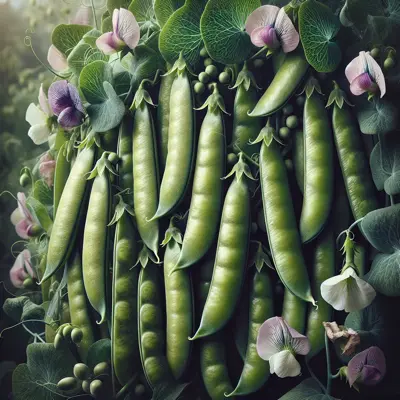
A spectacular French heirloom snow pea that produces enormous purple-flowered vines and the largest edible pods of any pea variety. These impressive 4-5 inch wide, flat pods are incredibly tender and sweet when harvested young, making them a gourmet delight. The vigorous climbing plants create an edible privacy screen while producing abundant harvests throughout the cool season.
Harvest
70-80d
Days to harvest
Sun
Full sun to partial shade
Zones
2–11
USDA hardiness
Height
12-18 inches
Planting Timeline
Showing dates for Carouby de Maussane in USDA Zone 7
All Zone 7 pea →Zone Map
Click a state to update dates
Carouby de Maussane · Zones 2–11
Growing Details
Succession Planting
Direct sow Carouby de Maussane every 14–16 days starting once soil hits 45°F — roughly early March in zone 7. Keep sowing through mid-April, then stop: peas set pods poorly once daytime highs are consistently above 80°F, and Erysiphe pisi pressure accelerates fast once heat settles in. At 70–80 days to harvest, a mid-April sowing should finish before early June gets uncomfortable.
Pick back up in late August or early September for a fall run. Soil temps will be dropping toward that 45–65°F germination window, and fall crops often dodge the heaviest aphid pressure that plagues spring plantings. Count back at least 75 days from your first hard frost date to make sure you get a full harvest before the season closes.
Complete Growing Guide
Start preparing your site in late winter by working in 2-3 inches of well-aged compost and bone meal into the top 8 inches of soil. Carouby de Maussane thrives in slightly alkaline conditions (pH 6.5-7.0), so test and amend with lime if needed. Install your support system before planting—these vigorous vines can reach 6-8 feet tall and need substantial trellising like cattle panels or sturdy netting.
Soak seeds overnight in lukewarm water 24 hours before planting to improve germination rates, which can be slow with this heirloom variety. Direct sow in early spring when soil temperature reaches 45°F, typically 4-6 weeks before your last frost date. In zones 7-9, you can also plant in late fall for winter harvest. Plant seeds 2 inches deep and 4-6 inches apart along your trellis, then thin to the strongest seedlings.
Avoid starting indoors—peas transplant poorly and direct seeding produces stronger root systems. Water consistently but avoid overwatering, as soggy soil leads to root rot. Apply a balanced organic fertilizer (10-10-10) at planting, then switch to low-nitrogen, high-phosphorus fertilizer once flowering begins to encourage pod production over leaf growth.
Train young vines to your support system by gently wrapping tendrils around wires or netting. Common mistakes include planting too deep in cold soil, overfeeding with nitrogen which delays flowering, and failing to provide adequate support early enough. For maximum yields, harvest pods daily once production begins—leaving mature pods on the vine signals the plant to stop producing new ones.
Harvesting
Begin checking pods 70-75 days after planting when they reach 3-4 inches long but remain completely flat with barely visible pea outlines inside. The ideal Carouby de Maussane pod should be bright green, glossy, and feel crisp when bent—if it bends without snapping, it's perfect. Avoid pods that show pronounced pea bumps or appear dull, as these will be tough and fibrous.
Harvest in early morning when pods are fully hydrated and most tender. Use the snap test: a properly timed pod will break cleanly when bent, making a distinct cracking sound. Grasp the stem with one hand while picking with the other to avoid damaging the vine. Cut rather than pull pods if the stem resists. Check plants daily during peak season, as pods can go from perfect to overripe in just 2-3 days during warm weather. Regular harvesting encourages continuous production for 4-6 weeks.
Storage & Preservation
Fresh pods keep best unwashed in perforated plastic bags in your refrigerator's crisper drawer for up to one week. Optimal storage temperature is 32-35°F with high humidity. For longer storage, blanch whole pods in boiling water for 2 minutes, then immediately plunge into ice water. Drain thoroughly and freeze in single layers on baking sheets before transferring to freezer bags—they'll maintain quality for 8-10 months.
Dehydrating works well for this variety: slice pods lengthwise and dry at 125°F until crisp, then store in airtight containers for up to one year. These make excellent additions to soups and stir-fries. Avoid canning as the delicate texture doesn't hold up well to the high-heat process. For immediate use, pods can sit at room temperature for 2-3 days but will gradually lose their signature crisp-tender texture.
History & Origin
Carouby de Maussane originates from the Provence region of southeastern France, specifically around the village of Maussane-les-Alpilles in the Bouches-du-Rhône department. This heirloom variety has been cultivated since at least the early 1800s, developed by local French gardeners who prized large, tender mangetout (eat-all) peas for their cuisine.
The name 'Carouby' derives from the Provençal word for pea pod, while 'Maussane' honors its village of origin, nestled in the Alpilles mountains near olive groves and lavender fields. French market gardeners carefully selected this variety for its enormous pod size and exceptional tenderness, qualities that made it a favorite in Provençal cooking.
This variety nearly disappeared during the mid-20th century as commercial agriculture favored uniform, machine-harvestable varieties. Seed savers and French heritage gardeners preserved it through small-scale cultivation, and it was reintroduced to broader audiences through specialty seed companies in the 1990s. Today, it remains a treasured variety among heirloom enthusiasts and French cuisine aficionados worldwide.
Advantages
- +Produces the largest edible pea pods of any variety at 4-5 inches wide
- +Exceptional sweetness and tenderness when harvested at proper timing
- +Stunning purple flowers create ornamental value while producing food
- +Vigorous climbing habit makes excellent edible privacy screen or vertical garden element
- +Extended harvest period of 4-6 weeks with daily picking
- +Superior cold tolerance allows very early spring planting
- +Authentic French heirloom genetics provide unique culinary experience
Considerations
- -Requires substantial support structure due to vigorous 6-8 foot growth
- -Moderate to advanced difficulty level not suitable for beginner gardeners
- -Limited disease resistance typical of heritage varieties makes it susceptible to common pea ailments
- -Slower germination rates compared to modern hybrid varieties
- -Very narrow harvest window before pods become tough and stringy
Companion Plants
Carrots and radishes are the most practical neighbors — they root 8–12 inches down, well below the shallow nodule zone of peas, so there's no real competition for moisture or nutrients. Lettuce and spinach fill bare ground between rows without casting enough shade to matter, and both will be harvested before peas need the full bed. Chives nearby do seem to confuse aphids somewhat, and a border of French marigolds is worth the space if you've had root-knot nematode problems in the bed before. Keep onions and garlic out entirely — alliums have well-documented suppressive effects on legume growth, and fennel is allelopathic broadly enough that it earns its own isolated corner of the garden, away from almost everything.
Plant Together
Carrots
Peas improve soil nitrogen for carrots, while carrots help break up soil for pea roots
Radishes
Quick-growing radishes break up soil and are harvested before peas need full space
Lettuce
Peas provide shade for cool-season lettuce and nitrogen-rich soil
Spinach
Benefits from nitrogen fixed by peas and provides ground cover
Chives
Repel aphids and other pests that commonly attack pea plants
Marigolds
Deter nematodes and aphids while attracting beneficial insects
Bush beans
Both fix nitrogen and have similar growing requirements without competing
Mint
Repels ants and rodents that may damage pea seeds and pods
Keep Apart
Onions
Can inhibit pea growth and nitrogen fixation through root compounds
Garlic
Allelopathic compounds can stunt pea growth and reduce pod production
Fennel
Inhibits growth of most garden plants including peas through allelopathy
Nutrition Facts
Per 100g serving. % Daily Value based on 2,000 calorie diet. Source: USDA FoodData Central (FDC #170419)
Pests & Disease Resistance
Resistance
Limited resistance, typical of heritage varieties
Common Pests
Aphids, spider mites, pea leaf weevil, snails and slugs
Diseases
Powdery mildew, fusarium wilt, pea mosaic virus, root rot
Troubleshooting Carouby de Maussane
What you'll see, why it happens, and what to do about it.
White powdery coating on leaves and stems, usually appearing once temperatures climb above 70°F and air circulation is poor
Likely Causes
- Powdery mildew (Erysiphe pisi) — a fungal disease that spreads by airspores, not water splash
- Overcrowded planting that traps humid air around foliage
What to Do
- 1.Pull and bin (don't compost) the worst-affected leaves immediately
- 2.Thin plants to at least 6 inches apart to improve airflow
- 3.Apply a dilute potassium bicarbonate spray or neem oil on a cool morning — avoid spraying in full midday sun
Plants wilting and yellowing from the base up despite adequate water, roots showing brown or orange discoloration when you pull one
Likely Causes
- Fusarium wilt (Fusarium oxysporum f. sp. pisi) — a soil-borne fungus that persists for years
- Root rot from Pythium spp., often triggered by waterlogged or poorly drained soil
What to Do
- 1.Pull and discard infected plants — don't compost them
- 2.Keep peas out of that bed for at least 3 seasons; rotate to a non-legume crop
- 3.Work compost into the bed before the next planting to improve drainage; target a soil pH of 6.0–7.5, which discourages Fusarium buildup
Leaves with irregular light-and-dark green mosaic patterning, or puckered and distorted leaflets, sometimes with stunted growth across several plants at once
Likely Causes
- Pea mosaic virus (Bean yellow mosaic virus or Pea enation mosaic virus), transmitted by aphid feeding
- Aphid infestation — check new growth and stem joints for clusters of small soft-bodied insects
What to Do
- 1.Remove and bag symptomatic plants immediately — the virus spreads every time an aphid feeds and moves on
- 2.Knock aphids off healthy plants with a firm spray of water, or apply insecticidal soap directly to colonies
- 3.Cover beds with row fabric from germination through early bloom to keep aphid vectors off seedlings; pull the cover at flowering so pollination can happen
Ragged notches chewed from leaf margins near the soil line, or seedlings partially clipped overnight with no obvious culprit
Likely Causes
- Pea leaf weevil (Sitona lineatus) — adults notch leaf edges in a distinctive scalloped pattern; larvae chew nitrogen-fixing root nodules underground
- Snails and slugs, especially during wet springs or in beds with heavy mulch
What to Do
- 1.Set beer traps or scatter iron phosphate bait (such as Sluggo) around the bed perimeter to address slugs and snails
- 2.For pea leaf weevil, let seedlings get stocky before the worst feeding pressure hits — plants at 6–8 inch spacing with good soil fertility recover from early notching better than stressed, crowded ones
- 3.Pull mulch back 2–3 inches from stem bases to cut down on slug harborage near the plants
Frequently Asked Questions
How long does Carouby de Maussane take to grow?▼
Can you grow Carouby de Maussane in containers?▼
Is Carouby de Maussane good for beginners?▼
What does Carouby de Maussane taste like?▼
When should I plant Carouby de Maussane?▼
How tall does Carouby de Maussane grow?▼
Zone-by-Zone Planting Calendar
| Zone | Indoor Start | Transplant | Direct Sow | Harvest |
|---|---|---|---|---|
| Zone 1 | — | — | June – July | August – September |
| Zone 2 | — | — | May – July | August – September |
| Zone 11 | — | — | January – February | March – December |
| Zone 12 | — | — | January – February | March – December |
| Zone 13 | — | — | January – February | March – December |
| Zone 3 | — | — | May – June | July – October |
| Zone 4 | — | — | April – June | July – October |
| Zone 5 | — | — | April – May | June – November |
| Zone 6 | — | — | April – May | June – November |
| Zone 7 | — | — | March – May | June – November |
| Zone 8 | — | — | March – April | May – December |
| Zone 9 | — | — | February – March | April – December |
| Zone 10 | — | — | January – March | April – December |
Growing Guides from Wind River Greens
Sources & References
External authority sources used in compiling this guide.
See the Methodology page for how this data is sourced, what's AI-assisted, and known limitations.