Sugar Apple Gefner
Annona squamosa 'Gefner'
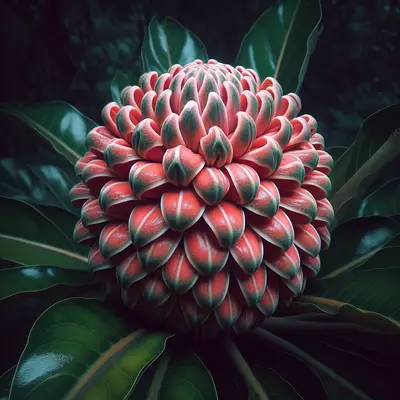
A superior Israeli-bred sugar apple variety that produces large, consistently sweet fruit with minimal seeds and exceptional creamy texture. The heart-shaped, scaly green fruits reveal snow-white, custard-like flesh that tastes like a blend of vanilla, coconut, and tropical sweetness. This compact tree is perfect for containers and produces fruit much faster than seedling varieties, often fruiting within 2-3 years.
Harvest
90-120d
Days to harvest
Sun
Full sun to partial shade
Zones
9–11
USDA hardiness
Height
20 feet
Planting Timeline
Showing dates for Sugar Apple Gefner in USDA Zone 9
All Zone 9 tropical →Zone Map
Click a state to update dates
Sugar Apple Gefner · Zones 9–11
Growing Details
Complete Growing Guide
Growing Sugar Apple Gefner (Annona squamosa 'Gefner') tropical. Light: Full sun to partial shade (6+ hours). Hardy in USDA zones 9 to 11. Days to maturity: 90-120. Difficulty: Moderate. F1 hybrid — vigorous and uniform. Disease resistance: Generally disease resistant, improved variety.
Harvesting
Sugar Apple Gefner reaches peak harvest maturity when the individual fruit segments slightly separate and the skin transitions from bright green to a softer, yellowish-green hue, typically weighing 8-12 ounces. Gently squeeze the fruit—ripe specimens yield slightly to pressure without feeling mushy, and the scales may show subtle gaps between segments. This cultivar produces fruit continuously throughout the warm season rather than in a single concentrated flush, allowing multiple harvests from spring through early fall. For optimal sweetness, pick fruit when it just begins showing color changes but still feels firm, then allow it to soften at room temperature for 1-2 days, as Sugar Apple Gefner develops maximum flavor complexity during this ripening window rather than on the tree.
This is an ornamental variety — not grown for harvest. Enjoy in the garden landscape.
Storage & Preservation
Sugar Apple Gefner fruits keep best at 55–65°F with 85–90% humidity in a breathable container, away from ethylene-producing crops. Ripe fruits deteriorate quickly, typically lasting 3–5 days at room temperature or up to two weeks refrigerated, though cold storage may dull their distinctive vanilla and custard notes. For longer preservation, freezing the pulp works exceptionally well—scoop flesh into ice cube trays, freeze solid, then transfer to freezer bags for up to eight months. Blended fruit freezes smoothly for smoothies and milkshakes without textural loss. Drying the flesh produces chewy candy-like pieces, though this concentrates flavors and reduces volume significantly. Gefner's creamy texture makes it poorly suited to canning whole, but pulp can be processed into jam with added pectin and acid. Store seeds in a cool, dry place for propagation within 1–2 months, as viability declines rapidly.
History & Origin
Annona or Anona is a genus of flowering plants in the pawpaw/sugar apple family, Annonaceae. It is the second largest genus in the family after Guatteria, containing approximately 166 species of mostly Neotropical and Afrotropical trees and shrubs.
Advantages
- +F1 hybrid — vigorous, uniform plants
- +Container-friendly — grows well in pots
- +Disease resistance: Generally disease resistant, improved variety
Considerations
- -Moderate difficulty — some growing experience helpful
- -Narrow hardiness range — best in zones 9-11
Companion Plants
Citrus trees and papaya make sense spatially because all three want the same well-drained, slightly acidic soil (pH 6.0–7.5) and at least 6 hours of direct sun, so you're not fighting over site conditions or irrigation schedules. Lemongrass planted at the base does double duty: its dense root mass suppresses weeds right at the drip line, and its volatile oils are thought to disrupt host-finding by mealybugs and scale insects. Down here in coastal and south Georgia — where Gefner is right at the northern edge of reliable zone 9b — that kind of passive pest pressure reduction matters. Marigolds (Tagetes erecta) and nasturtiums fill the low ground, drawing predatory wasps without competing for canopy light.
The three to avoid all release allelopathic compounds. Black walnut produces juglone, which NC State Extension identifies as toxic to a broad range of plants at the root zone. Eucalyptus leaches terpene-based oils that suppress root development in neighboring trees. Pine needle drop is the slow one — it acidifies soil incrementally, and after a few seasons you can find yourself well below pH 5.5, outside what Gefner tolerates. None of these effects reverse quickly once established, so site selection matters more than any remediation step.
Plant Together
Citrus trees
Share similar growing conditions and attract beneficial pollinators without competing
Papaya
Compatible root systems and both benefit from similar tropical growing conditions
Comfrey
Dynamic accumulator that improves soil with deep roots, provides potassium for fruit development
Lemongrass
Natural pest deterrent that repels ants and other insects without competing for nutrients
Marigolds
Repel nematodes and aphids while attracting beneficial insects for pollination
Nasturtiums
Act as trap crops for aphids and cucumber beetles, protecting the sugar apple
Sweet potato
Ground cover that suppresses weeds and doesn't compete with tree's root system
Banana plants
Provide partial shade for young trees and share similar water and nutrient requirements
Keep Apart
Black walnut
Produces juglone which is toxic to many fruit trees including sugar apple
Pine trees
Create acidic soil conditions and compete aggressively for water and nutrients
Eucalyptus
Allelopathic compounds inhibit growth of nearby plants and competes for water
Nutrition Facts
Per 100g serving. % Daily Value based on 2,000 calorie diet. Source: USDA FoodData Central (FDC #168171)
Pests & Disease Resistance
Resistance
Generally disease resistant, improved variety
Common Pests
Annona seed borer, scale insects, mealybugs
Diseases
Root rot in poorly drained soils, leaf spot
Troubleshooting Sugar Apple Gefner
What you'll see, why it happens, and what to do about it.
Sticky, waxy white coating on stems and leaf undersides, with ants trailing up the trunk
Likely Causes
- Mealybug infestation (Pseudococcidae) — ants farm them for honeydew and will actively protect them from predators
- Dense canopy or poor airflow encouraging soft-bodied pest buildup
What to Do
- 1.Blast stems and leaf undersides with a strong jet of water to knock populations down before treating
- 2.Apply neem oil (2 tbsp per gallon of water) every 7 days for 3 weeks, hitting the undersides of leaves
- 3.Wrap a sticky ant barrier around the trunk at about 18 inches off the ground to cut off the ant-mealybug cycle
Raised, brown or gray crusty bumps on bark and stems that don't rub off easily; leaves yellowing and dropping
Likely Causes
- Scale insects (armored or soft scale, family Diaspididae/Coccidae) — common on stressed Annona during hot, dry spells
- Tree stress from drought or poor nutrition lowering the plant's natural defenses
What to Do
- 1.Scrub visible scale off bark with a soft brush dipped in 70% isopropyl alcohol
- 2.Follow up with horticultural oil spray (2% dilution) in the early morning when temps are below 90°F — spray above that threshold and you'll scorch the leaves
- 3.Side-dress with compost and maintain consistent irrigation through fruit set to reduce stress-related susceptibility
Fruit fails to develop, drops early at marble size, or seeds inside are hollowed out at harvest
Likely Causes
- Annona seed borer (Bephratelloides maculicollis) — larvae tunnel into developing fruit and destroy seeds before harvest
- Inadequate hand pollination — Annona squamosa has protogynous flowers, meaning the female stage opens before the male, and the two rarely overlap without intervention
What to Do
- 1.Collect pollen from fully open male-stage flowers (petals spread, loose yellow pollen visible) using a small brush, then dab it onto female-stage flowers (petals barely parted, stigma glossy and sticky) in the afternoon
- 2.Remove and destroy any dropped or prematurely soft fruit immediately — seed borers complete their life cycle in fallen fruit on the ground
- 3.Bag developing fruit clusters in paper bags after fruit set to physically block egg-laying adults
Frequently Asked Questions
How long does Sugar Apple Gefner take to produce fruit?▼
Can you grow Sugar Apple Gefner in containers?▼
What does Sugar Apple Gefner taste like?▼
Is Sugar Apple Gefner good for beginners?▼
How often do you need to hand pollinate Sugar Apple Gefner?▼
What's the difference between Sugar Apple Gefner and other sugar apple varieties?▼
Zone-by-Zone Planting Calendar
Growing Guides from Wind River Greens
Sources & References
External authority sources used in compiling this guide.
- Bot. GardenMissouri Botanical Garden
- USDAUSDA FoodData Central
See the Methodology page for how this data is sourced, what's AI-assisted, and known limitations.