Flowering Pear Chanticleer
Pyrus calleryana 'Chanticleer'
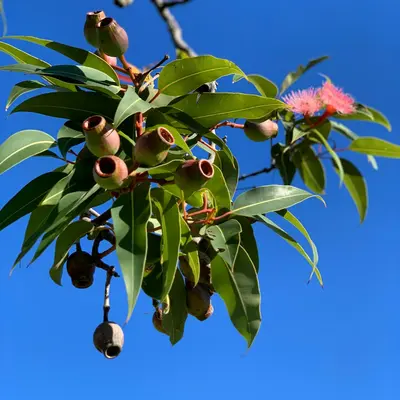
A superior alternative to Bradford Pear with a naturally pyramidal shape and stronger branching structure that resists storm damage. Covered in white spring blooms followed by glossy foliage that turns brilliant red-purple in fall, making it ideal for street trees and formal landscapes.
Sun
Full sun to partial shade
Zones
5–9
USDA hardiness
Height
30-50 feet
Planting Timeline
Showing dates for Flowering Pear Chanticleer in USDA Zone 7
All Zone 7 ornamental-tree →Zone Map
Click a state to update dates
Flowering Pear Chanticleer · Zones 5–9
Growing Details
Complete Growing Guide
Plant Chanticleer in early spring or fall in full sun locations with well-draining soil to establish strong roots before its first growing season. This cultivar differs from generic ornamental pears by resisting fire blight better than Bradford Pear, though it remains moderately susceptible during warm, wet springs—prune out any blighted branches immediately and sterilize tools between cuts. Unlike weaker-branched ornamental varieties, Chanticleer's naturally pyramidal form requires minimal formative pruning, but do remove crossing or narrow-angled limbs while young to reinforce its superior branching structure. Water deeply during establishment and drought stress, as inconsistent moisture increases disease pressure. A practical tip: thin the canopy lightly in late winter to improve air circulation and reduce fungal issues, while allowing the dense white spring blooms to remain prominent—this single maintenance step distinguishes successful long-term specimens from those prone to disease.
Light: Full sun (6 or more hours of direct sunlight a day), Partial Shade (Direct sunlight only part of the day, 2-6 hours). Soil: Clay, Loam (Silt), Sand. Soil pH: Acid (<6.0), Alkaline (>8.0), Neutral (6.0-8.0). Drainage: Good Drainage, Moist, Occasionally Dry. Height: 30 ft. 0 in. - 50 ft. 0 in.. Spread: 20 ft. 0 in. - 35 ft. 0 in.. Spacing: 24-60 feet. Growth rate: Rapid. Maintenance: High. Propagation: Grafting, Seed. Regions: Coastal, Mountains, Piedmont.
Harvesting
Flowering Pear Chanticleer produces small ornamental fruits that rarely reach edible quality, making traditional harvesting impractical for this cultivar. If attempting to harvest the inedible pears for decorative purposes, wait until they develop a russet-brown coloration and feel slightly firm to the touch, typically in late fall after frost exposure enhances their appearance. The fruits persist on branches well into winter, allowing a single harvest window rather than continuous picking. A key timing tip specific to this variety is to harvest after the first hard freeze, as cold temperatures concentrate sugars and intensify the fruit's ornamental appeal, making them more suitable for dried arrangements or wildlife food rather than human consumption.
The fruits are yellowish green to brown, round, 0.5 to 1-inch in diameter, and inedible with a brown pit. They have no practical value nor ornamental use except it attracts birds..
Color: Brown/Copper, Gold/Yellow, Green. Type: Pome. Length: < 1 inch. Width: < 1 inch.
Harvest time: Summer
Storage & Preservation
Flowering Pear Chanticleer is an ornamental tree, not a food crop, so traditional storage and preservation methods do not apply. However, cut branches with blooms can be displayed indoors in fresh water at room temperature (65-72°F) for 7-10 days. Change water every 2-3 days and re-cut stems at an angle to extend vase life. For preservation, pressed flowers can be preserved in books or a flower press for crafts and arrangements. Alternatively, dried flower petals or blooms can be preserved in airtight containers in a cool, dark location for decorative use.
History & Origin
Chanticleer is a cultivar of Pyrus calleryana, the Callery Pear, which originated in China and was introduced to Western cultivation in the early 20th century. The Bradford Pear became enormously popular as an ornamental despite its structural weaknesses and invasive tendencies. Chanticleer emerged as a superior selection, developed to address Bradford's notorious deficiencies in branch architecture and storm resilience while maintaining ornamental appeal. While detailed documentation of its specific breeding origin remains limited in readily available horticultural literature, Chanticleer represents the refinement of the Callery Pear line through deliberate cultivar selection, likely occurring during the latter half of the 20th century as breeders recognized the need for improved alternatives to the problematic Bradford standard.
Origin: Central to Southern China to Vietnam, Central Japan, and Taiwan
Advantages
- +Naturally pyramidal shape requires minimal pruning compared to Bradford Pear
- +Superior branching structure resists storm damage and splitting issues
- +Brilliant red-purple fall foliage provides extended seasonal color interest
- +White spring flowers create striking ornamental display for street planting
- +Fire blight resistant variety ideal for disease-prone regions
Considerations
- -Susceptible to aphids and scale insects requiring regular monitoring
- -Leaf spot and rust diseases common in humid climates
- -Ornamental only with no fruit or edible harvest value
Companion Plants
The single most important companion rule for Chanticleer pear is keeping it well away from Eastern Red Cedar (Juniperus virginiana). This isn't about competition — it's about cedar-apple rust (Gymnosporangium juniperi-virginianae), which requires both a Juniperus host and a rosaceous tree to complete its life cycle. Plant them within a few hundred feet of each other and you're setting yourself up for annual reinfection, no matter how often you spray. Black walnut is a separate problem: it releases juglone, an allelopathic compound from its roots and decomposing leaf litter, that suppresses or kills a wide range of plants in the Rosaceae family. Give Chanticleer at least 50 feet of clearance from any established black walnut.
Beneath the canopy, the companions that actually pull their weight are ones built for low light. Hostas, Bleeding Heart, and Astilbe all handle the shade a mature 30–40 foot tree throws without complaining, and none of them put roots deep enough to fight over the same water. Daffodils are worth tucking around the drip line — rodents avoid them, which gives any shallower bulbs nearby a fighting chance. Lavender and Catmint planted at the sunny perimeter attract early pollinators without needing much from the tree.
In our zone 7 Georgia gardens, Chanticleer is already blooming hard by early March, right when aphid pressure starts building on new growth. Marigolds won't do much that early, but planted at the base by mid-spring they're a reasonable deterrent once the aphid population on this tree typically peaks — usually May into June.
Plant Together
Lavender
Repels aphids and other pests while attracting beneficial pollinators
Marigold
Deters nematodes and aphids with natural compounds, protects root system
Hostas
Thrives in partial shade under canopy, provides attractive ground cover
Daffodils
Blooms early before tree leafs out, bulbs deter rodents and deer
Coral Bells
Tolerates root competition, adds colorful foliage contrast
Astilbe
Flourishes in filtered shade, complements spring flowering period
Catmint
Repels aphids and ants, attracts beneficial insects
Bleeding Heart
Thrives in dappled shade, provides spring color harmony
Keep Apart
Black Walnut
Produces juglone toxin that inhibits growth of pear family trees
Eastern Red Cedar
Alternate host for cedar-apple rust disease affecting ornamental pears
Eucalyptus
Allelopathic compounds suppress growth of nearby plants
Pests & Disease Resistance
Resistance
Good resistance to fire blight and leaf spot
Common Pests
Aphids, scale insects, pear psylla
Diseases
Fire blight (resistant), leaf spot, rust
Troubleshooting Flowering Pear Chanticleer
What you'll see, why it happens, and what to do about it.
Leaves develop orange or rust-colored pustules on the undersides, often mid to late summer
Likely Causes
- Cedar-apple rust (Gymnosporangium juniperi-virginianae) — requires Eastern Red Cedar or other Juniperus species nearby to complete its two-host life cycle
- Prolonged wet spring weather that allows spore release and infection
What to Do
- 1.Remove Eastern Red Cedar trees within 1,000 feet if possible — that's the alternate host and the real source of reinfection year after year
- 2.Apply a fungicide labeled for rust (myclobutanil or propiconazole) at bud break in spring, before symptoms appear, if you've had rust before
- 3.Rake and dispose of infected fallen leaves in fall; don't compost them
New shoot tips wilting suddenly and turning dark brown or black, as if scorched, in spring
Likely Causes
- Fire blight (Erwinia amylovora) — bacterial disease that enters through blossoms and new growth during warm, wet spring weather; 'Chanticleer' has partial resistance but isn't immune
- Recent pruning cuts or hail damage that gave the bacteria an entry point
What to Do
- 1.Prune out infected shoots at least 12 inches below the visible damage; sterilize your pruners with 70% isopropyl alcohol between every cut
- 2.Avoid heavy nitrogen fertilization in spring — it pushes the soft, fast growth that fire blight loves
- 3.Time any pruning for dry weather; wet conditions spread the bacteria from cut to cut
Frequently Asked Questions
Is Flowering Pear Chanticleer a good tree for beginners?▼
When should I plant Flowering Pear Chanticleer?▼
How long does Flowering Pear Chanticleer bloom?▼
Can Flowering Pear Chanticleer grow in containers?▼
How is Flowering Pear Chanticleer different from Bradford Pear?▼
What pests or diseases affect Flowering Pear Chanticleer?▼
Zone-by-Zone Planting Calendar
Growing Guides from Wind River Greens
Sources & References
External authority sources used in compiling this guide.
- ExtensionNC State Extension
See the Methodology page for how this data is sourced, what's AI-assisted, and known limitations.