Sugar Baron
Pisum sativum 'Sugar Baron'
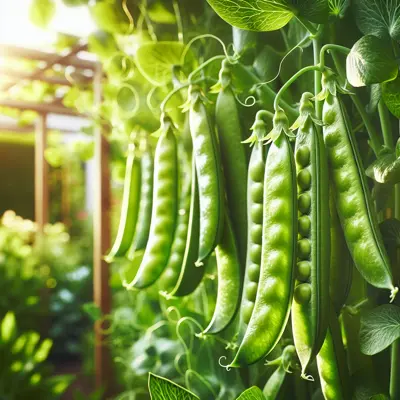
A premium snap pea variety that produces exceptionally sweet, tender pods with thick, succulent walls. This vigorous climbing variety delivers outstanding yields of perfectly crisp pods that are delicious raw or lightly cooked. Sugar Baron's consistent performance and exceptional flavor make it a top choice for gardeners who want the ultimate snap pea experience.
Harvest
58-65d
Days to harvest
Sun
Full sun to partial shade
Zones
2–11
USDA hardiness
Height
12-18 inches
Planting Timeline
Showing dates for Sugar Baron in USDA Zone 7
All Zone 7 pea →Zone Map
Click a state to update dates
Sugar Baron · Zones 2–11
Growing Details
Succession Planting
Direct sow Sugar Baron every 14-21 days starting once soil hits 45°F — typically late February or March in zone 7. Stop by late April; once daytime highs push reliably past 80°F, germination rates drop and powdery mildew pressure builds fast enough to outrun the 58-65 day crop. Pick it back up in late August for a fall planting: count back 65 days from your average first frost date to find the last safe sow window, and don't stretch it — peas finishing out in a hard freeze won't set pods.
Complete Growing Guide
Sugar Baron thrives in well-prepared soil that's been amended with 2-3 inches of compost or well-aged manure worked into the top 8 inches. The ideal pH sits between 6.0-7.0, and excellent drainage is crucial since peas despise waterlogged conditions. Choose a location that receives morning sun with some afternoon protection in zones 8-9, or full sun in cooler regions.
Direct sowing is your best bet with Sugar Baron, as peas resent transplanting. Plant seeds 2-4 weeks before your last frost date when soil temperatures reach 45°F. In zones 3-5, this typically means late March to early April. Soak seeds for 4-6 hours before planting to speed germination, but avoid overnight soaking which can cause splitting. Plant seeds 2 inches deep and 3-4 inches apart in double rows spaced 6 inches apart.
Install your support system before planting or immediately after - Sugar Baron can reach 6-8 feet and needs sturdy trellising. A cattle panel or tall pea netting works perfectly. Avoid using thin string supports that can cut into the tender vines.
Fertilize lightly at planting with a balanced 10-10-10, then switch to a low-nitrogen fertilizer once flowering begins - excess nitrogen delays pod production. Side-dress with compost mid-season rather than high-nitrogen fertilizers since peas fix their own nitrogen through root nodules.
The biggest mistake gardeners make is overwatering established plants. Water deeply once weekly unless you're experiencing drought conditions. Sugar Baron is surprisingly drought-tolerant once established, and consistent moisture (not soggy conditions) produces the sweetest pods. Mulch around plants to retain moisture and suppress weeds, keeping mulch 2 inches away from stems to prevent fungal issues.
For maximum yields, harvest pods daily once production begins. This signals the plant to continue producing rather than focusing energy on seed development. In hot climates, provide afternoon shade cloth when temperatures consistently exceed 75°F to extend the harvest period.
Harvesting
Sugar Baron pods are ready when they're bright green, glossy, and about 3-4 inches long with visible peas that haven't yet swollen to fill the pod completely. The pods should snap crisply when bent - this is your best indicator of peak quality. If the pods bend without snapping, they're past prime and will be tough and stringy.
Harvest in early morning when pods are fully hydrated and at their crispest. Use both hands - hold the vine steady with one hand while gently pulling the pod with the other to avoid damaging the plant. The pod should release easily with a slight twist. Never yank pods off, as this can damage the entire vine.
Check plants daily during peak season since Sugar Baron can go from perfect to overripe in just 2-3 days, especially in warm weather. Pods left too long become fibrous and lose their signature sweetness. Harvest even slightly immature pods rather than risk them becoming tough - young pods are incredibly sweet and tender.
Storage & Preservation
Fresh Sugar Baron pods maintain peak quality for 4-5 days when stored unwashed in perforated plastic bags in your refrigerator's crisper drawer. The ideal storage temperature is 32-36°F with high humidity. Avoid storing at room temperature, as pods lose their crispness and sweetness within hours.
For freezing, blanch whole pods in boiling water for 2 minutes, then immediately plunge into ice water. Drain thoroughly and freeze in airtight containers for up to 8 months. Frozen Sugar Baron pods work beautifully in stir-fries and retain most of their sweetness.
Dehydrating is another excellent option - snap peas make wonderful crispy snacks when dehydrated at 125°F for 8-12 hours until completely dry. Store dehydrated pods in airtight containers for up to one year. Unlike many vegetables, Sugar Baron's thick walls hold up exceptionally well to dehydration without becoming leathery.
History & Origin
Sugar Baron represents the pinnacle of modern snap pea breeding, developed in the late 1990s by American seed companies focused on creating the ultimate edible-pod pea experience. This hybrid variety was specifically bred to combine the best traits of traditional snow peas with the plump, sweet characteristics of shelling peas.
The development of Sugar Baron followed decades of breeding work that began in the 1970s when snap peas first gained popularity in American gardens. Plant breeders worked to eliminate the tough, fibrous strings common in earlier varieties while maximizing pod wall thickness and sweetness. Sugar Baron emerged from crosses between premium European snow pea varieties and high-yielding American shelling peas.
What sets Sugar Baron apart from its predecessors is its exceptional pod wall thickness and consistent sweetness across varying growing conditions. Earlier snap pea varieties often produced bitter or tough pods in hot weather, but Sugar Baron maintains its quality even when temperatures fluctuate. This reliability made it quickly popular among both home gardeners and commercial growers seeking a dependable crop that delivers restaurant-quality pods consistently.
Advantages
- +Maintains exceptional sweetness and tenderness even in fluctuating temperatures unlike many snap pea varieties
- +Thick, succulent pod walls resist splitting and cracking during heavy rain or irregular watering
- +Extended harvest window of 3-4 weeks with proper daily picking maintains plant productivity
- +Strong disease resistance to powdery mildew and pea enation mosaic virus reduces crop loss
- +Vigorous climbing growth produces higher yields per square foot than bush varieties
- +Pods retain crispness for 4-5 days after harvest, longer than most snap pea varieties
- +Consistent pod size and shape make harvesting and meal preparation more efficient
Considerations
- -Requires sturdy 6-8 foot support structures which can be expensive and challenging to install
- -Hybrid variety means you cannot save seeds for next year's planting
- -More expensive seed cost compared to open-pollinated varieties
- -Tall growth habit makes it unsuitable for container growing unless you have very large pots
- -Production stops abruptly in hot weather above 80°F, limiting growing season in warm climates
Companion Plants
Carrots and radishes are the most practical partners — neither competes meaningfully with pea roots at 3-4 inch spacing, and radishes germinate fast enough to mark your rows while Sugar Baron is still working up to it. Lettuce and spinach share the same cool-season window (both done before consistent 80°F days), so you can run all three in one bed without schedule conflicts. Nasturtiums and marigolds earn a spot for pulling aphid pressure off the peas. Keep onions and garlic out of the picture entirely — alliums suppress the Rhizobium bacteria peas rely on to fix nitrogen, which defeats one of the better reasons to grow them.
Plant Together
Carrots
Peas improve soil nitrogen for carrots, while carrots help break up soil for pea roots
Radishes
Radishes help loosen soil and can deter pea weevils and other pests
Lettuce
Benefits from nitrogen fixed by peas and provides ground cover to retain soil moisture
Spinach
Thrives on nitrogen enriched by peas and has similar cool-season growing requirements
Marigolds
Repel aphids, nematodes, and other pests that commonly attack peas
Mint
Deters ants and aphids that can damage pea plants and pods
Chives
Repel aphids and improve overall garden pest management around peas
Nasturtiums
Act as trap crops for aphids and cucumber beetles while attracting beneficial insects
Keep Apart
Onions
Can inhibit pea growth and nitrogen fixation through root secretions
Garlic
Allelopathic compounds can stunt pea growth and reduce pod production
Fennel
Inhibits growth of most garden plants including peas through allelopathy
Nutrition Facts
Per 100g serving. % Daily Value based on 2,000 calorie diet. Source: USDA FoodData Central (FDC #170419)
Pests & Disease Resistance
Resistance
Good resistance to powdery mildew and pea enation mosaic virus
Common Pests
Aphids, pea weevils, thrips, cutworms
Diseases
Powdery mildew, fusarium wilt, root rot, downy mildew
Troubleshooting Sugar Baron
What you'll see, why it happens, and what to do about it.
White powdery coating on leaves and pods, usually appearing mid-season as temperatures climb past 70°F
Likely Causes
- Powdery mildew — a fungal disease that thrives in warm days and cool nights with low humidity on the leaf surface
- Dense planting that restricts airflow between plants
What to Do
- 1.Remove and trash (not compost) the worst-affected leaves as soon as you spot them
- 2.Space plants at least 3-4 inches apart and water at the base — not overhead — especially in the evening
- 3.If it spreads fast, apply a dilute potassium bicarbonate spray; it's one of the more effective low-input options for powdery mildew on peas
New leaves curling inward or puckering, sometimes with a sticky film on stems and nearby leaf surfaces
Likely Causes
- Aphid infestation — NC State Extension notes that aphid feeding causes leaf distortion easily mistaken for herbicide injury
- Thrips feeding on tender growing tips, which produces similar puckering and off-color foliage on the same plant
What to Do
- 1.Knock aphids off with a firm stream of water early in the morning so foliage dries before nightfall
- 2.Peel back the curled leaves and check for thrips — tiny, fast-moving, straw-colored insects; bag and trash any leaves that harbor them
- 3.Set nasturtiums 6-12 inches from your pea rows as a trap crop to draw aphids away before populations build
Frequently Asked Questions
How long does Sugar Baron pea take to grow from seed?▼
Can you grow Sugar Baron peas in containers?▼
Is Sugar Baron good for beginners?▼
What does Sugar Baron pea taste like compared to other snap peas?▼
When should I plant Sugar Baron peas?▼
Why are my Sugar Baron pea pods tough and stringy?▼
Zone-by-Zone Planting Calendar
| Zone | Indoor Start | Transplant | Direct Sow | Harvest |
|---|---|---|---|---|
| Zone 3 | — | — | May – June | July – October |
| Zone 4 | — | — | April – June | June – October |
| Zone 5 | — | — | April – May | June – November |
| Zone 6 | — | — | April – May | June – November |
| Zone 7 | — | — | March – May | May – November |
| Zone 8 | — | — | March – April | May – December |
| Zone 9 | — | — | February – March | April – December |
| Zone 10 | — | — | January – March | March – December |
| Zone 1 | — | — | June – July | August – September |
| Zone 2 | — | — | May – July | July – September |
| Zone 11 | — | — | January – February | February – December |
| Zone 12 | — | — | January – February | February – December |
| Zone 13 | — | — | January – February | February – December |
Growing Guides from Wind River Greens
Sources & References
External authority sources used in compiling this guide.
See the Methodology page for how this data is sourced, what's AI-assisted, and known limitations.