Trailing Nasturtium Mix
Tropaeolum majus
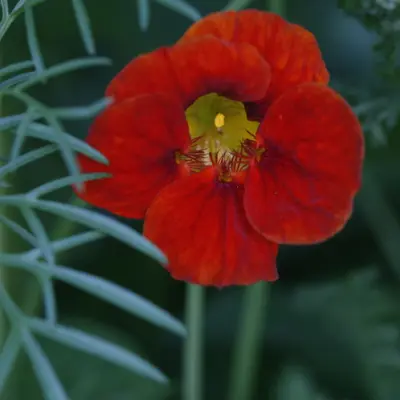
Flowers in red, rose, orange, and yellow. Perfect for hanging baskets and containers, or even as a ground cover. Will "climb" if tied to upright supports. Also known as garden nasturtium and Indian cress.Edible Flower: Use the flowers as garnishes, or stuff with soft cheese. The flowers can be minced and added to butters and the immature seed heads can be pickled. Nasturtiums are a popular choice for adding color to salad mix. Peppery-flavored foliage is also edible.
Harvest
55-65d
Days to harvest
Sun
Full sun to partial shade
Zones
2–11
USDA hardiness
Height
1-10 feet
Planting Timeline
Showing dates for Trailing Nasturtium Mix in USDA Zone 7
All Zone 7 flower →Zone Map
Click a state to update dates
Trailing Nasturtium Mix · Zones 2–11
Growing Details
Succession Planting
Direct sow nasturtium seed every 3 weeks starting April 1 through June 15 in zone 7. Each succession gives you roughly 8-10 weeks of good bloom before heat and powdery mildew (Erysiphe spp.) start degrading the planting. Soak seed overnight before sowing — the coat is thick and germination is faster for it, typically hitting the 7-day end of the 7-14 day window rather than the 14.
Stop sowing by mid-June. Seed started after daytime highs are consistently above 90°F tends to germinate poorly and the resulting plants never catch up before the worst of summer hits. One more round direct-sown in mid-August can carry you into fall; nasturtiums will bloom right up to the first hard frost, which in most of zone 7 falls somewhere between late October and mid-November depending on your elevation.
Complete Growing Guide
Flowers in red, rose, orange, and yellow. Perfect for hanging baskets and containers, or even as a ground cover. Will "climb" if tied to upright supports. Also known as garden nasturtium and Indian cress.Edible Flower: Use the flowers as garnishes, or stuff with soft cheese. The flowers can be minced and added to butters and the immature seed heads can be pickled. Nasturtiums are a popular choice for adding color to salad mix. Peppery-flavored foliage is also edible. According to Johnny's Selected Seeds, Trailing Nasturtium Mix is 55 - 65 days to maturity, annual, open pollinated. Notable features: Grows Well in Containers, Edible Flowers.
Light: Full sun (6 or more hours of direct sunlight a day), Partial Shade (Direct sunlight only part of the day, 2-6 hours). Soil: Loam (Silt), Sand. Soil pH: Acid (<6.0), Alkaline (>8.0), Neutral (6.0-8.0). Drainage: Good Drainage. Height: 1 ft. 0 in. - 10 ft. 0 in.. Spread: 1 ft. 0 in. - 3 ft. 0 in.. Spacing: Less than 12 inches, 12 inches-3 feet. Growth rate: Rapid. Maintenance: Low. Propagation: Seed. Regions: Coastal, Mountains, Piedmont.
Harvesting
Trailing Nasturtium Mix reaches harvest at 55 - 65 days from sowing per Johnny's Selected Seeds. As an annual, harvest continues until frost ends the season.
Edibility: All parts, with exception of the roots, are edible. It has a spicy flavor.
Storage & Preservation
Fresh nasturtium flowers should be stored in the refrigerator in a sealed container or plastic bag with a damp paper towel, lasting 3-5 days at 35-40°F with moderate humidity. Avoid washing until use to prevent wilting. Preservation methods include: (1) Drying flowers on screens in a cool, dark space for 1-2 weeks, then storing in airtight containers for up to 6 months; (2) Pickling immature seed heads in vinegar brine for 2-3 weeks shelf life; (3) Freezing whole flowers in ice cube trays with water for up to 3 months, ideal for garnishing beverages.
History & Origin
Trailing Nasturtium Mix is open-pollinated, meaning seed saved from healthy plants will produce true-to-type offspring. Listed in the Johnny's Selected Seeds catalog.
Origin: Central and South America
Advantages
- +Vibrant red, rose, orange, and yellow flowers brighten hanging baskets instantly
- +Fully edible flowers and peppery foliage add unique flavor to salads
- +Quick 55-65 day growth makes it ideal for seasonal container gardening
- +Versatile plant climbs on supports or cascades as ground cover
- +Easy difficulty level suits beginner and experienced gardeners alike
Considerations
- -Attracts aphids heavily, requiring frequent monitoring and organic pest management
- -Prefers cool weather and struggles in hot, humid summer conditions
- -Needs consistent moisture but is prone to root rot if overwatered
- -Poor performance in rich soil causes excessive foliage over sparse flowering
Companion Plants
Nasturtiums pull double duty in a mixed planting. They draw aphids — specifically black bean aphid and green peach aphid — off cucumbers, squash, tomatoes, and beans, concentrating the colonies on foliage you're not harvesting. Cabbage family crops get a different benefit: Pieris rapae adults prefer to lay eggs on nasturtium leaves over kale or broccoli when both are available, so the nasturtiums absorb the caterpillar pressure. Marigolds and radishes sit alongside them without friction because none of the three compete hard for the same shallow root zone, and the planting stays open enough to stay workable. Lettuce tucked under trailing stems can pick up a little shade in late spring, which may buy an extra week before it bolts in the warming weather.
Keep fennel at least 18-24 inches away — it releases root exudates that suppress many annuals, and nasturtiums are among them. Black walnut is a harder constraint: the juglone it produces leaches through soil and rain runoff, and in our zone 7 Georgia gardens, where walnut trees are common on older properties, that means siting nasturtiums well clear of the drip line — not just the trunk. Sunflower competes aggressively for water and tends to shade out lower-growing plants, so it's less about chemistry and more about the nasturtiums simply getting crowded out before they establish.
Plant Together
Cucumber
Nasturtiums repel cucumber beetles and squash bugs while attracting beneficial predatory insects
Tomato
Nasturtiums act as trap crop for aphids and whiteflies, protecting tomatoes from these pests
Radish
Nasturtiums deter flea beetles that commonly damage radish leaves
Beans
Nasturtiums repel Mexican bean beetles and aphids while attracting pollinators
Cabbage
Strong scent deters cabbage worms, aphids, and other brassica pests
Squash
Acts as natural pest deterrent against squash bugs and cucumber beetles
Marigold
Both plants work synergistically to repel nematodes and various garden pests
Lettuce
Provides ground cover and pest protection while lettuce grows in partial shade beneath trailing vines
Keep Apart
Black Walnut
Releases juglone toxin that inhibits nasturtium growth and can cause wilting
Sunflower
Produces allelopathic compounds that can stunt nasturtium growth and development
Fennel
Inhibits growth of nasturtiums through allelopathic root secretions
Pests & Disease Resistance
Common Pests
Aphids, whiteflies, cabbage moths
Diseases
Powdery mildew, leaf spot, stem rot in humid conditions
Troubleshooting Trailing Nasturtium Mix
What you'll see, why it happens, and what to do about it.
Clusters of small soft-bodied insects massed on new growth and stem tips, leaves curling inward
Likely Causes
- Aphid infestation (commonly black bean aphid or green peach aphid) — nasturtiums are notorious aphid magnets, which is partly the point, but it can get out of hand
- Ants farming the aphids, protecting them from predators in exchange for honeydew
What to Do
- 1.Blast colonies off with a strong jet of water from the hose — do this in the morning so foliage dries before evening
- 2.If the infestation is heavy, spray with insecticidal soap (follow label dilution, usually 2-3 tablespoons per gallon of water)
- 3.Check for ant trails and disrupt them; ants actively guard aphid colonies from beneficial insects like parasitic wasps
White powdery coating on upper leaf surfaces, usually appearing mid-summer on older leaves first
Likely Causes
- Powdery mildew (Erysiphe spp.) — spores spread in warm, dry air with high humidity at night, which is most of a Georgia summer
- Poor airflow from crowded planting at spacings under 12 inches
What to Do
- 1.Pull and trash affected leaves — don't compost them
- 2.Thin plants or cut back trailing stems to open up airflow
- 3.A baking soda spray (1 tablespoon baking soda + 1 teaspoon horticultural oil per gallon of water) can slow spread on remaining healthy leaves; it won't cure what's already coated
Ragged holes chewed in leaves, with small dark pellet-shaped frass nearby
Likely Causes
- Cabbage moth larvae (Pieris rapae caterpillars) — nasturtiums planted near brassicas draw egg-laying adults away from the food crop, so some damage here is the system working
- Cabbage looper (Trichoplusia ni) caterpillars can also feed on nasturtium foliage, especially later in the season
What to Do
- 1.Hand-pick caterpillars and drop them in soapy water — check the undersides of leaves, that's where they hide during the day
- 2.If you planted nasturtiums specifically as a trap crop, let them take the damage and pull the whole planting at season end before larvae pupate in the soil
- 3.Apply Bt (Bacillus thuringiensis) as a foliar spray if hand-picking isn't keeping up; it's effective on young caterpillars and won't harm pollinators
Stems turning dark brown and soft at the base, plant wilting even when soil is moist
Likely Causes
- Stem rot — usually Pythium or Rhizoctonia spp. — most common in heavy clay soils or beds with standing water after rain
- Overwatering combined with high summer humidity; nasturtiums want the soil to dry out between waterings and don't tolerate wet feet
What to Do
- 1.Pull the affected plant — there's no saving a stem-rotted nasturtium — and don't replant the same spot with nasturtiums this season
- 2.Amend that bed with coarse compost or perlite before the next planting to improve drainage
- 3.Water at the base, not overhead, and cut back frequency: in well-drained beds nasturtiums typically need water only every 5-7 days in summer unless conditions are extreme
Frequently Asked Questions
How long does it take trailing nasturtium to bloom?▼
Is trailing nasturtium good for beginners?▼
Can you grow trailing nasturtium in containers?▼
What do nasturtium flowers taste like?▼
When should I plant trailing nasturtium?▼
How much sun does trailing nasturtium need?▼
Zone-by-Zone Planting Calendar
| Zone | Indoor Start | Transplant | Direct Sow | Harvest |
|---|---|---|---|---|
| Zone 3 | April – May | June – July | June – August | — |
| Zone 4 | March – April | June – June | June – July | — |
| Zone 5 | March – April | May – June | May – July | — |
| Zone 6 | March – April | May – June | May – July | — |
| Zone 7 | February – March | April – May | April – June | — |
| Zone 8 | February – March | April – May | April – June | — |
| Zone 9 | January – February | March – April | March – May | — |
| Zone 10 | January – January | February – March | February – April | — |
| Zone 1 | May – June | July – August | July – September | — |
| Zone 2 | April – May | June – July | June – August | — |
| Zone 11 | January – January | January – February | January – March | — |
| Zone 12 | January – January | January – February | January – March | — |
| Zone 13 | January – January | January – February | January – March | — |
Growing Guides from Wind River Greens
Sources & References
External authority sources used in compiling this guide.
- ExtensionNC State Extension
- BreederJohnny's Selected Seeds
See the Methodology page for how this data is sourced, what's AI-assisted, and known limitations.