Monstera Siltepecana
Monstera siltepecana
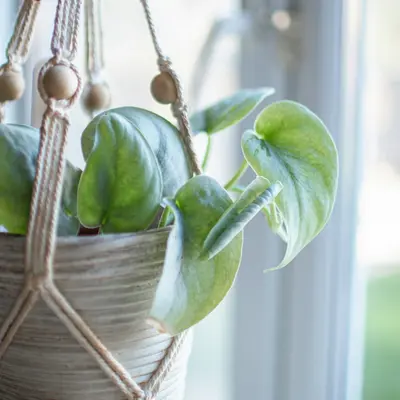
A stunning climbing monstera with silvery-blue juvenile leaves that develop fenestrations as they mature. This rare beauty is prized for its distinctive silver variegation and compact growth habit, making it perfect for smaller spaces while still delivering that coveted monstera aesthetic.
Sun
Partial shade
Zones
9–11
USDA hardiness
Height
5-8 feet
Complete Growing Guide
Light: Partial Shade (Direct sunlight only part of the day, 2-6 hours). Soil: High Organic Matter. Soil pH: Acid (<6.0), Neutral (6.0-8.0). Drainage: Good Drainage, Moist. Height: 5 ft. 0 in. - 8 ft. 0 in.. Spread: 3 ft. 0 in. - 5 ft. 0 in.. Spacing: 12 inches-3 feet, 3 feet-6 feet. Growth rate: Rapid. Maintenance: Low. Propagation: Stem Cutting.
Harvesting
The berries have one light brown seed.
Type: Berry.
Storage & Preservation
Monstera Siltepecana doesn't require food storage. As a living houseplant, maintain it indoors at 65-80°F with 50-60% humidity. Keep soil consistently moist but not waterlogged. To preserve the plant long-term: (1) Propagate stem cuttings in water or moist soil to create backup plants; (2) Layer moss poles or trellises to encourage healthy upward growth and maintain structural integrity; (3) Periodically prune dead leaves and aerial roots to prevent disease and redirect energy toward new growth.
History & Origin
Origin: South Mexico to Central America
Advantages
- +Silvery-blue juvenile leaves create stunning visual interest throughout growth stages
- +Compact growth habit makes it ideal for small apartments and shelves
- +Fenestrations develop naturally as plant matures, adding dramatic aesthetic appeal
- +Rare variety appeals to collectors seeking unique monstera species
Considerations
- -Susceptible to spider mites and thrips requiring vigilant pest monitoring
- -Prone to root rot if watering schedule isn't carefully controlled
- -Needs excellent air circulation to prevent leaf spot and fungal issues
Companion Plants
Monstera siltepecana groups well with other low-to-medium light tropicals — Pothos, Philodendron, and Spider Plant sit at nearly the same soil pH (6.0–7.0), indirect-light, and watering cadence, so you're not accidentally stressing one plant trying to accommodate another. Succulents are a bad match because they need soil to go bone-dry between waterings, and pairing them forces a compromise that rots the siltepecana or shrivels the succulent. Fiddle Leaf Figs push for bright direct light that bleaches out siltepecana's leaves, and Eucalyptus releases volatile terpene compounds that can stress sensitive tropicals in an enclosed space.
Plant Together
Pothos
Similar humidity and light requirements, helps maintain consistent moisture levels
Philodendron
Compatible watering schedule and creates beneficial microclimate with similar tropical needs
Spider Plant
Improves air quality and humidity, thrives in similar indirect light conditions
Peace Lily
Increases ambient humidity through transpiration, compatible moisture requirements
Boston Fern
Excellent humidity booster and thrives in similar filtered light conditions
Rubber Tree
Similar care requirements and helps maintain stable humidity levels
Monstera Deliciosa
Same genus with identical care needs, creates optimal growing microenvironment
ZZ Plant
Low maintenance companion that won't compete for resources or alter soil conditions
Keep Apart
Eucalyptus
Produces allelopathic compounds that can inhibit growth of other plants
Fiddle Leaf Fig
Requires different watering schedule and may create competition for optimal light positioning
Succulents
Conflicting water requirements - succulents prefer dry conditions while Monstera needs consistent moisture
Pests & Disease Resistance
Resistance
Generally resistant when given proper care
Common Pests
Spider mites, thrips, mealybugs
Diseases
Root rot from overwatering, leaf spot from poor air circulation
Troubleshooting Monstera Siltepecana
What you'll see, why it happens, and what to do about it.
Leaves developing dry, silvery streaking or stippling, with fine webbing visible on undersides
Likely Causes
- Spider mites (Tetranychus urticae) — thrive in low humidity, especially in heated indoor air below 40% relative humidity
- Thrips (Frankliniella occidentalis) — rasping feeders that leave similar silver scarring
What to Do
- 1.Wipe both sides of every leaf with a damp cloth, then spray thoroughly with neem oil or insecticidal soap — two applications, 7 days apart
- 2.Move the plant away from heating vents and run a humidifier nearby; spider mites collapse fast once humidity stays above 50%
- 3.Isolate the plant immediately so mites or thrips don't spread to neighboring Pothos or Philodendron
Stems soft and dark at the base, lower leaves yellowing and wilting even though soil feels wet
Likely Causes
- Root rot — most commonly Pythium or Phytophthora species — caused by consistently waterlogged soil
- Pot without drainage holes, or a dense soil mix that retains moisture rather than drying between waterings
What to Do
- 1.Unpot the plant, cut away any black or mushy roots with clean scissors, and let the root ball air-dry for 30 minutes before repotting
- 2.Repot into a mix cut with 20–30% perlite for drainage, and use a pot with at least one drainage hole
- 3.Hold off watering until the top 2 inches of soil are fully dry — in a typical indoor setting that's usually every 7–10 days in winter
Frequently Asked Questions
How long does it take for Monstera Siltepecana to develop fenestrations?▼
Is Monstera Siltepecana good for beginners?▼
Can you grow Monstera Siltepecana in a small apartment?▼
What are the best light conditions for Monstera Siltepecana?▼
How often should you water Monstera Siltepecana?▼
Is Monstera Siltepecana toxic to pets?▼
Growing Guides from Wind River Greens
Sources & References
External authority sources used in compiling this guide.
- ExtensionNC State Extension
See the Methodology page for how this data is sourced, what's AI-assisted, and known limitations.