Heuchera (Coral Bells)
Heuchera sanguinea
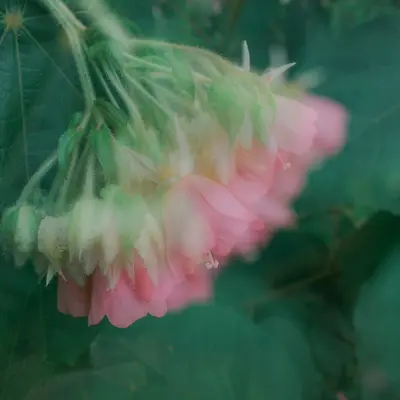
Coral bells bring year-round color to the garden with stunning foliage in shades of purple, silver, lime, and coral. These compact perennials produce delicate flower spikes that dance above colorful leaves, creating perfect ground cover for borders and containers. Modern hybrids offer incredible leaf colors that rival any flower for garden impact.
Sun
Full sun to partial shade
Zones
3–8
USDA hardiness
Height
12-19 inches
Planting Timeline
Showing dates for Heuchera (Coral Bells) in USDA Zone 7
All Zone 7 ground-cover →Zone Map
Click a state to update dates
Heuchera (Coral Bells) · Zones 3–8
Growing Details
Complete Growing Guide
Light: Dappled Sunlight (Shade through upper canopy all day), Full sun (6 or more hours of direct sunlight a day), Partial Shade (Direct sunlight only part of the day, 2-6 hours). Soil: High Organic Matter. Drainage: Good Drainage. Height: 1 ft. 0 in. - 1 ft. 7 in.. Spread: 0 ft. 9 in. - 2 ft. 6 in.. Maintenance: Medium. Propagation: Division, Seed. Regions: Coastal, Mountains, Piedmont.
Harvesting
Heuchera reaches peak foliage readiness when leaves display their most vibrant coloration, typically in mid-spring and again in fall, with firm, fully-expanded leaf clusters that feel supple rather than brittle. Harvest individual leaves or small rosette sections by pinching at the base once foliage achieves mature color intensity, following a continuous-harvest pattern throughout the growing season rather than cutting the entire plant at once. For maximum visual impact in arrangements, harvest in early morning when leaves are fully hydrated and colors are most saturated, cutting just above dormant buds to encourage bushier regrowth and sustained ornamental value in the garden.
Bloom time: Spring, Summer
Storage & Preservation
Heuchera is an ornamental perennial meant for garden display, not consumption, so traditional food storage doesn't apply. However, cut foliage displays well in water indoors for 1-2 weeks if kept in a cool location (65-70°F) away from direct heat. For garden longevity, apply 2-3 inches of mulch around plants in fall to protect roots in cold climates. Divide established plants every 3-4 years in spring to rejuvenate crowns and prevent center die-out. Remove dead foliage in early spring before new growth emerges.
History & Origin
Origin: Southwestern United States
Advantages
- +Attracts: Hummingbirds, Pollinators, Specialized Bees
Companion Plants
Heuchera does best alongside plants that tolerate part shade and steady moisture without muscling into its space. Hostas are the go-to pairing not because of any pest benefit but because their broad, flat leaves sit low and fill gaps without shading the Heuchera crown — and both run at roughly the same watering cadence. Astilbe adds height and those feathery summer plumes without competing at root level, since it draws moisture from a slightly deeper zone. Japanese Painted Fern and Lungwort (Pulmonaria) work well as foreground fill; they stay short enough that they don't block airflow around the Heuchera crown, which matters for keeping rot at bay. Mixing several Heuchera varieties in the same bed is worth doing for the visual range alone — foliage runs from lime green to near-black, and the plants don't interfere with each other at all.
The short list of plants to keep out of the bed matters more than the long list of good ones. Black walnut (Juglans nigra) produces juglone, an allelopathic compound that moves through soil and will stunt or kill Heuchera — NC State Extension puts the danger zone at roughly the drip line and 50–60 feet beyond it. Mint is a different problem: no chemistry, just relentless underground runners that physically displace shallow-rooted perennials within a season or two. Full-sun perennials like Echinacea or Rudbeckia aren't toxic neighbors, just a cultural mismatch — they'll shade out Heuchera in open beds while also signaling you've got the siting wrong to begin with.
Plant Together
Hosta
Similar shade and moisture requirements, complementary foliage textures and colors
Astilbe
Thrives in similar partial shade conditions, provides vertical contrast to low-growing Heuchera
Ferns
Share preference for moist, well-draining soil and partial shade, create layered woodland garden effect
Coral Bells (different varieties)
Mass plantings of different colored varieties create stunning foliage displays
Lungwort (Pulmonaria)
Similar growing conditions, spotted leaves complement Heuchera's solid colors
Japanese Painted Fern
Metallic silver foliage creates beautiful contrast with colorful Heuchera leaves
Caladium
Both are grown for colorful foliage, enjoy partial shade and consistent moisture
Impatiens
Complementary shade plants, flowers add color above Heuchera foliage
Keep Apart
Black Walnut
Produces juglone toxin that can stunt or kill Heuchera and other sensitive plants
Mint
Aggressive spreading habit can quickly overwhelm and crowd out Heuchera
Eucalyptus
Allelopathic compounds in leaves and roots inhibit growth of nearby plants
Full Sun Perennials
Competing light requirements as most full sun plants will struggle in Heuchera's preferred partial shade
Pests & Disease Resistance
Resistance
Good disease resistance, may develop crown rot in poorly drained soils
Common Pests
Black vine weevil, aphids, spider mites
Diseases
Crown rot, rust, powdery mildew
Troubleshooting Heuchera (Coral Bells)
What you'll see, why it happens, and what to do about it.
Ragged notches chewed along leaf margins, mostly on outer leaves, appearing overnight
Likely Causes
- Black vine weevil (Otiorhynchus sulcatus) adults feeding at night — the larvae also attack roots underground
- Slugs, especially in damp, shaded beds
What to Do
- 1.Go out after dark with a flashlight and handpick black vine weevils — they drop when disturbed, so hold a container under the leaf
- 2.Apply beneficial nematodes (Steinernema kraussei) to the soil in early spring or fall to target larvae before they damage roots
- 3.If slugs are the culprit, set out iron phosphate bait (Sluggo) around the crowns and refresh after rain
Crown at soil level turns brown and mushy, plant wilts despite adequate watering
Likely Causes
- Crown rot caused by Phytophthora or Botrytis — both thrive when the crown stays wet and airflow is poor
- Planting too deep — Heuchera crowns need to sit at or slightly above the soil surface
What to Do
- 1.Dig the plant, cut away all rotted tissue with a clean knife, and dust the wound with powdered sulfur before replanting
- 2.Replant so the crown sits at or just above grade — mulch around the plant but keep it 2 inches back from the crown itself
- 3.Improve drainage by amending the bed with coarse perlite or grit before replanting; Heuchera in standing water doesn't survive long
White powdery coating on leaf surfaces, usually showing up mid-to-late summer
Likely Causes
- Powdery mildew (Erysiphe or Golovinomyces spp.) — worse in humid conditions with poor air circulation
- Overcrowding beyond the recommended 12–15 inch spacing, or planting against a wall that blocks airflow
What to Do
- 1.Remove and bin (don't compost) the worst-affected leaves to slow spread
- 2.Apply a potassium bicarbonate spray or diluted neem oil every 7–10 days until symptoms stop spreading
- 3.Divide crowded clumps next season — Heuchera needs splitting every 3–4 years regardless, and better airflow is the most durable fix you have
Frequently Asked Questions
Is Heuchera (Coral Bells) good for beginners?▼
Can you grow Heuchera in containers?▼
How long do Heuchera plants live in the garden?▼
When should I plant Heuchera (Coral Bells)?▼
What are the best foliage colors available in Heuchera varieties?▼
How much sun does Heuchera need to maintain its vibrant foliage colors?▼
Zone-by-Zone Planting Calendar
Growing Guides from Wind River Greens
Sources & References
External authority sources used in compiling this guide.
- ExtensionNC State Extension
See the Methodology page for how this data is sourced, what's AI-assisted, and known limitations.