Chiko
Arctium lappa
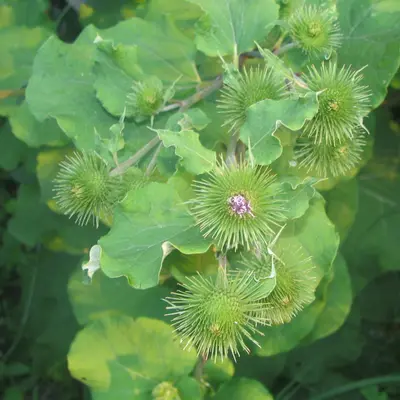
A great season-extension offering. For fall, winter, and spring harvest and storage. Can be overwintered in soil, much the same as parsnips. Cook like carrots. Easier to grow than both carrots and parsnips, with faster germination and good weed competition. Delicious in hearty soups and bean stews. Uniform variety. Roots are long, slender, and light brown. Avg. 1-2' long x 1" thick.
Harvest
120d
Days to harvest
Sun
Full sun to partial shade
Zones
3–10
USDA hardiness
Height
2-10 feet
Planting Timeline
Showing dates for Chiko in USDA Zone 7
All Zone 7 root-vegetable →Zone Map
Click a state to update dates
Chiko · Zones 3–10
Growing Details
Succession Planting
Burdock is a single long-season crop — direct sow from March through May and pull roots from July through November. At 120 days to harvest, there's no practical window to stagger plantings for a rolling supply the way you'd do with radishes or lettuce. One sowing per season is the standard approach.
What you can plan around is the following year's bed use. NC State Extension IPM guidance is clear that root crops shouldn't occupy the same ground in consecutive years. Give any bed that grew burdock at least one non-root season — a legume cover crop like crimson clover works well and feeds the soil nitrogen — before you put burdock or carrots back in that spot.
Complete Growing Guide
Light: Full sun (6 or more hours of direct sunlight a day), Partial Shade (Direct sunlight only part of the day, 2-6 hours). Soil: High Organic Matter, Loam (Silt). Soil pH: Acid (<6.0), Neutral (6.0-8.0). Drainage: Good Drainage. Height: 2 ft. 0 in. - 10 ft. 0 in.. Spread: 2 ft. 0 in. - 4 ft. 0 in.. Spacing: 12 inches-3 feet. Growth rate: Rapid. Maintenance: Low. Propagation: Seed. Regions: Coastal, Mountains, Piedmont.
Harvesting
Achenes are oblong and have fine, minute bristles (pappas hairs) on one end that soon fall off and easily become airborne. These can be seriously irritating to humans or other mammals (particularly dogs, horses, or livestock) if exposed to eyes, skin, or the respiratory tract.
Color: Brown/Copper. Type: Achene. Length: < 1 inch. Width: < 1 inch.
Harvest time: Fall, Summer
Edibility: Roots are the primary edible part. Young leaves and immature flower stalks are also edible before flowers appear.
Storage & Preservation
Harvest Chiko roots at 120 days and store immediately in a cool, humid environment—ideally 32–40°F with 90–95% humidity. Layer roots in damp sand or peat moss within ventilated wooden crates to prevent shriveling and rot. Under these conditions, roots remain firm and usable for 4–6 months. For longer preservation, freezing works well: peel, cut into small pieces, blanch for 3 minutes, cool rapidly, then freeze in airtight containers for up to a year. Drying is equally effective—slice roots thinly, dry in a dehydrator at 140°F until brittle, then store in sealed jars away from light. Fermentation preserves the roots' subtle earthy notes while boosting digestibility; simply pack sliced roots with 2–3% salt by weight and keep submerged under brine for 3–6 weeks. Chiko's tender, less fibrous flesh compared to standard burdock makes it particularly suited to quick-pickling methods, which retain its delicate texture better than longer preservation processes.
History & Origin
Chiko is open-pollinated, meaning seed saved from healthy plants will produce true-to-type offspring. Listed in the Johnny's Selected Seeds catalog.
Origin: Temperate Eurasia
Advantages
- +Attracts: Bees, Butterflies, Pollinators
- +Edible: Roots are the primary edible part. Young leaves and immature flower stalks are also edible before flowers appear.
- +Fast-growing
- +Low maintenance
Companion Plants
Garlic and onions are the most practical companions here. Both release sulfur compounds that confuse or deter soft-bodied pests, and since burdock's taproot drives straight down past 12 inches, it doesn't compete with the shallow bulbs for water or space. Chives do the same job if you want something perennial along the bed edge. Marigolds (Tagetes patula specifically) are worth tucking in nearby — their root secretions are documented to suppress Meloidogyne root-knot nematode populations in the surrounding soil, which matters in warm, sandy ground.
Fennel is the one plant to pull from the equation entirely. It produces allelopathic compounds that stunt or kill a wide range of neighbors, and burdock gets no special exemption. Sunflowers are a more situational problem — not chemically toxic, but they top out well above burdock's canopy, cast dense shade, and drink heavily from the same topsoil moisture a young burdock needs through its first 60 days of growth.
Plant Together
Carrots
Break up soil with their taproots, improving drainage and soil structure
Onions
Repel root maggots and other soil pests with their strong scent
Garlic
Natural fungicide properties help prevent soil-borne diseases
Lettuce
Shallow roots don't compete, provides living mulch to retain soil moisture
Radishes
Break up compacted soil and deter root-boring insects
Chives
Repel aphids and improve soil with their sulfur compounds
Spinach
Cool-season companion that maximizes garden space without root competition
Marigolds
Release compounds that suppress harmful nematodes in soil
Keep Apart
Fennel
Allelopathic compounds inhibit root development and overall growth
Black Walnut Trees
Produce juglone toxin that severely stunts root vegetable growth
Sunflowers
Allelopathic effects and heavy nutrient competition harm root development
Nutrition Facts
Per 100g serving. % Daily Value based on 2,000 calorie diet. Source: USDA FoodData Central (FDC #170393)
Pests & Disease Resistance
Common Pests
Generally pest-resistant; occasional carrot rust fly damage in susceptible regions
Diseases
Generally disease-resistant; rare cases of root rot in waterlogged soils
Troubleshooting Chiko
What you'll see, why it happens, and what to do about it.
Roots come up brown and slimy at harvest, or plant collapses at the crown before day 120
Likely Causes
- Root rot from waterlogged soil — burdock roots sit in standing water and suffocate
- Pythium or Phytophthora spp. moving in once drainage fails
What to Do
- 1.Dig your bed deep — at least 18–24 inches — and amend heavy clay with coarse compost or sand before you sow
- 2.Back off watering once plants are established; burdock has moderate drought tolerance and doesn't want wet feet
- 3.If a spot stays soggy after rain, move this crop to a raised bed or a different location entirely next season
Tunneling or scarring on the upper root surface, noticed at harvest
Likely Causes
- Carrot rust fly (Psila rosae) larvae — they tunnel just under the skin of roots in susceptible regions
- Root maggot activity in beds with a history of Apiaceae crops (carrots, parsnips) nearby
What to Do
- 1.Rotate burdock out of any bed that grew carrots or parsnips the previous year — NC State Extension IPM guidance recommends using a site for related crops only once every 3–4 years
- 2.Cover seedlings with floating row cover (Agribon AG-19 or similar) from germination through early summer to block adult fly egg-laying
- 3.At harvest, inspect the top 4–6 inches of root where damage concentrates; light scarring is cosmetic, but heavy tunneling means tightening your rotation next cycle
Frequently Asked Questions
How long does Chiko take to grow?▼
Is Chiko good for beginner gardeners?▼
Can you grow Chiko in containers?▼
What does Chiko taste like?▼
When should I plant Chiko?▼
How does Chiko compare to parsnips for storage and overwintering?▼
Zone-by-Zone Planting Calendar
| Zone | Indoor Start | Transplant | Direct Sow | Harvest |
|---|---|---|---|---|
| Zone 3 | — | — | May – June | September – October |
| Zone 4 | — | — | April – June | August – October |
| Zone 5 | — | — | April – May | August – November |
| Zone 6 | — | — | April – May | August – November |
| Zone 7 | — | — | March – May | July – November |
| Zone 8 | — | — | March – April | July – December |
| Zone 9 | — | — | February – March | June – December |
| Zone 10 | — | — | January – March | May – December |
| Zone 1 | — | — | June – July | October – September |
| Zone 2 | — | — | May – July | September – September |
| Zone 11 | — | — | January – February | April – December |
| Zone 12 | — | — | January – February | April – December |
| Zone 13 | — | — | January – February | April – December |
Growing Guides from Wind River Greens
Sources & References
External authority sources used in compiling this guide.
- ExtensionNC State Extension
- BreederJohnny's Selected Seeds
- USDAUSDA FoodData Central
See the Methodology page for how this data is sourced, what's AI-assisted, and known limitations.