Annual Ryegrass
Lolium multiflorum
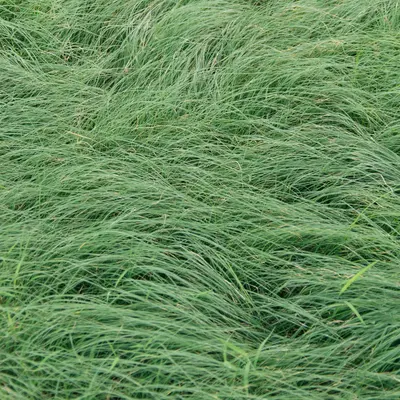
Ryegrass is a great nitrogen scavenger and can assimilate as much as 200 lb./acre/year of nitrogen. Most of that nitrogen then becomes available to subsequent crops, thus saving on fertilizer input. Annual ryegrass is a very competitive winter annual, with good seedling vigor, fast germination (with adequate moisture) and rapid establishment. Annual ryegrass is a bunch grass, yellowish-green at the base, with long glossy green leaves up to 12" each. It will overwinter in certain years. When used as a cover crop, annual ryegrass is killed in the spring before it reaches seed formation stage. Sow from early spring through late summer. As winter cover, ryegrass will winter kill, but still help protect the soil. Sow, then rake to lightly cover.
Harvest
50-70d
Days to harvest
Sun
Full sun to partial shade
Zones
4–9
USDA hardiness
Height
2-6 inches
Planting Timeline
Showing dates for Annual Ryegrass in USDA Zone 7
All Zone 7 grass →Zone Map
Click a state to update dates
Annual Ryegrass · Zones 4–9
Growing Details
Succession Planting
For a cover crop or overseeded lawn, broadcast annual ryegrass every 3–4 weeks from late February through early May in zone 7, stopping once daytime highs consistently hit 80°F — germination drops sharply above that threshold, and the stand thins before it does much good. For a fall planting, seed between mid-September and mid-October so plants build 6–8 weeks of growth before the first hard frost.
If you're using it strictly as a winter annual cover, one seeding at 20–30 lbs per acre is all you need — no succession required. The plant terminates itself when heat arrives in late spring. Mow or roll it at 6–8 inches before tilling it under so the residue breaks down in 2–3 weeks rather than tying up available nitrogen during your next crop's establishment.
Complete Growing Guide
Light: Full sun (6 or more hours of direct sunlight a day), Partial Shade (Direct sunlight only part of the day, 2-6 hours). Soil: Clay, High Organic Matter, Loam (Silt), Sand, Shallow Rocky. Drainage: Good Drainage, Moist, Occasionally Wet. Height: 0 ft. 2 in. - 0 ft. 6 in.. Spread: 0 ft. 8 in. - 0 ft. 10 in.. Growth rate: Rapid. Regions: Coastal, Mountains, Piedmont.
Harvesting
Bloom time: Winter
Storage & Preservation
Annual ryegrass is a cover crop and forage grass, not typically harvested for human consumption or storage in the traditional sense. If harvesting for silage or hay, cut at boot stage and dry to 15-20% moisture content before storage in a cool, dry location. Store in a well-ventilated area away from moisture. For seed storage, keep in a cool (50-60°F), dry environment with low humidity (below 50%). Properly dried seed can remain viable for 2-3 years in sealed containers stored in cool conditions. Do not store fresh plant material; use or incorporate into soil promptly after cutting.
History & Origin
Ryegrass species have been cultivated in Europe for centuries as forage crops, with Lolium multiflorum emerging as a distinct annual type through selective breeding in the 19th century. The variety became standardized primarily through British and European agricultural development, though specific breeder attribution and exact introduction dates remain poorly documented in readily available sources. Annual ryegrass developed naturally from perennial ryegrass (Lolium perenne) germplasm through selection for earlier maturity and winter-annual characteristics, making it valuable for short-term cover cropping and pasture improvement. Its adoption across North American agriculture accelerated throughout the 20th century as farmers recognized its rapid establishment and nitrogen-scavenging capabilities, though precise breeding line histories are largely undocumented in popular horticultural literature.
Origin: Europe
Advantages
- +Scavenges up to 200 lb./acre of nitrogen annually for next crops
- +Excellent seedling vigor with fast germination and rapid establishment
- +Competitive winter annual that provides good soil protection
- +Very easy to grow and establish with minimal difficulty
- +Long glossy leaves and dense growth suppress weeds effectively
Considerations
- -Susceptible to crown rust and leaf spot in wet conditions
- -Aphids and cutworms can cause significant damage to young plants
- -Will winterkill in many regions, requiring spring replanting
- -Needs light soil coverage and adequate moisture for germination
Companion Plants
The legumes in this mix — white clover, red clover, crimson clover, vetch, and alfalfa — do the heavy lifting. They fix atmospheric nitrogen through Rhizobium bacteria in their root nodules, feeding the ryegrass at no fertilizer cost to you. Chicory and plantain add deep taproots that break compaction below the 4–6 inch zone ryegrass roots occupy, so water infiltrates instead of sheeting off. Timothy grass is a natural structural match — similar rooting depth, no allelopathic compounds, and it fills the canopy without crowding out seedlings the way a more aggressive species would.
Johnson grass and Bermuda grass are the ones to keep out. Both spread by rhizome and will overtake an annual ryegrass stand within a single season; hand-pulling won't do it once they've got a foothold. Tall fescue is less aggressive but still competes hard for the same shallow root zone, and its dense crown shades out ryegrass seedlings in the first 3–4 weeks when establishment matters most.
Plant Together
White Clover
Fixes nitrogen in soil, improves grass growth and reduces need for fertilization
Red Clover
Adds nitrogen to soil through root nodules, enhances pasture quality
Chicory
Deep taproot brings nutrients to surface, extends grazing season
Plantain
Provides minerals and improves soil structure with deep roots
Alfalfa
Nitrogen fixation benefits ryegrass, creates diverse forage mix
Timothy Grass
Compatible growth habits, extends hay cutting season
Crimson Clover
Cool season legume that complements ryegrass growing period
Vetch
Nitrogen-fixing vine that doesn't compete heavily with grass
Keep Apart
Johnson Grass
Aggressive competitor that can outcompete and suppress ryegrass establishment
Tall Fescue
Can be allelopathic to ryegrass seedlings and competes for resources
Bermuda Grass
Aggressive warm-season grass that can overtake cool-season ryegrass
Pests & Disease Resistance
Resistance
Generally disease resistant due to short lifespan
Common Pests
Aphids, cutworms, occasional grub damage
Diseases
Crown rust, leaf spot in wet conditions
Troubleshooting Annual Ryegrass
What you'll see, why it happens, and what to do about it.
Patches of stand turning orange-yellow with powdery pustules on leaf blades, usually mid-to-late season
Likely Causes
- Crown rust (Puccinia coronata) — a fungal pathogen that spreads via airborne spores, favors humid nights above 60°F
- Dense, overcrowded seeding rate that traps moisture against leaves
What to Do
- 1.Mow the affected area short and remove clippings — don't compost them
- 2.Improve air circulation by seeding thinner next time; 15–20 lbs per acre is plenty for most cover crop applications
- 3.If the planting is a cover crop near termination anyway, roll and till it under rather than treating it
Irregular tan or brown leaf spots with water-soaked margins appearing after several consecutive wet days
Likely Causes
- Leaf spot complex (Helminthosporium spp.) — thrives in standing moisture and temps between 60–75°F
- Poor drainage keeping the crown wet overnight
What to Do
- 1.Stop overhead irrigation for at least 5–7 days if rainfall allows
- 2.Aerate or dethatch compacted areas so water moves through rather than pooling at the surface
- 3.Before your next seeding, incorporate 2 inches of compost into low spots — it won't fix a drainage problem, but it helps considerably in marginal areas
Seedlings emerging unevenly or cut off cleanly at soil level shortly after germination
Likely Causes
- Cutworms (Agrotis spp.) — larvae feed at night and sever young seedlings at the crown
- Seed placed too shallow (under ¼ inch) in a dry, loose seedbed, leaving it exposed to desiccation and surface predation
What to Do
- 1.Rake or roll the seedbed firmly before broadcasting so seeds make solid soil contact at ¼–½ inch depth
- 2.If cutworm damage is confirmed, apply Bacillus thuringiensis var. kurstaki (Bt) in the evening when larvae are active
- 3.Dig 1–2 inches below the damaged area and look for C-shaped larvae — hand-remove what you find before reseeding the bare spots
Yellowing, stunted tillers with sticky residue or small soft-bodied insects clustered on new growth
Likely Causes
- Aphid infestation — most commonly bird-cherry oat aphid (Rhopalosiphum padi) or English grain aphid (Sitobion avenae)
- High-nitrogen fertilization pushing lush, soft growth that aphids prefer
What to Do
- 1.Knock aphids off with a firm spray of water — effective on a small stand and doesn't harm ground beetles or parasitic wasps
- 2.Split nitrogen applications and keep each one under 1 lb of actual nitrogen per 1,000 sq ft so growth stays steady rather than sappy
- 3.If populations exceed 50–100 per tiller, apply insecticidal soap in the early morning and recheck after 48 hours
Frequently Asked Questions
When should I plant annual ryegrass as a cover crop?▼
Is annual ryegrass good for beginners?▼
How much nitrogen does annual ryegrass add to soil?▼
Can annual ryegrass overwinter in cold climates?▼
What are the main pests affecting annual ryegrass?▼
How do I establish annual ryegrass successfully?▼
Zone-by-Zone Planting Calendar
Growing Guides from Wind River Greens
Sources & References
External authority sources used in compiling this guide.
- ExtensionNC State Extension
See the Methodology page for how this data is sourced, what's AI-assisted, and known limitations.