Citrus
Brassica rapa var. pekinensis
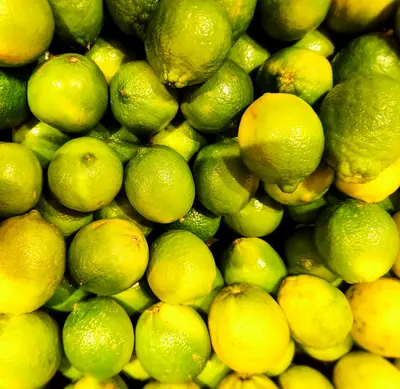
Well-filled heads average 11" tall and 5 1/2-6 lb. Similar to standard Napa types except for the interior color and a distinctive orange ring around the edges of the cut stems. NOTE: Under very rainy conditions, the interior will be less orange. Suitable for cooking, kimchi, salads, and slaws.
Harvest
54d
Days to harvest
Sun
Full sun to part shade
Zones
5–9
USDA hardiness
Height
3 feet
Planting Timeline
Showing dates for Citrus in USDA Zone 7
All Zone 7 brassica →Zone Map
Click a state to update dates
Citrus · Zones 5–9
Growing Details
Succession Planting
In zone 7, direct sow or transplant Citrus napa every 3 weeks starting in late March through early May for a spring run. Stop seeding once daytime highs are consistently hitting 80°F — napa bolts fast in heat, and a 54-day variety won't reach harvest if it runs into a heat wall at day 30. Pick it back up in late July or early August for a fall crop, timing transplants so heads finish before first frost.
Fall is the better season for napa in most years — the quality is noticeably crisper. NC State Extension notes that insect and disease pressure is harder to manage in fall because populations have been building all summer, so aim for heads to mature during cooler nights (below 65°F) when pest activity drops off and the heads firm properly. A late September or October harvest is the target for zone 7 fall plantings.
Complete Growing Guide
Well-filled heads average 11" tall and 5 1/2-6 lb. Similar to standard Napa types except for the interior color and a distinctive orange ring around the edges of the cut stems. NOTE: Under very rainy conditions, the interior will be less orange. Suitable for cooking, kimchi, salads, and slaws. According to Johnny's Selected Seeds, Citrus is 54 days to maturity, annual, hybrid (f1).
Light: Full sun (6 or more hours of direct sunlight a day), Partial Shade (Direct sunlight only part of the day, 2-6 hours). Soil: Clay, Loam (Silt), Sand. Soil pH: Acid (<6.0), Neutral (6.0-8.0). Drainage: Good Drainage, Moist. Height: 0 ft. 10 in. - 2 ft. 0 in.. Spread: 1 ft. 0 in. - 2 ft. 0 in.. Spacing: 12 inches-3 feet. Growth rate: Medium. Maintenance: Medium. Propagation: Seed, Stem Cutting. Regions: Coastal, Mountains, Piedmont.
Harvesting
Citrus reaches harvest at 54 days from sowing per Johnny's Selected Seeds. Expect 11" at peak. As an annual, harvest continues until frost ends the season.
The fruits dry and split when ripe.
Color: Brown/Copper, Green. Type: Siliqua. Length: > 3 inches.
Garden value: Edible
Harvest time: Fall, Summer
Bloom time: Spring, Summer
Edibility: The foliage is edible raw or cooked but when cooked can emit an unpleasant odor.
Storage & Preservation
Store freshly harvested heads in a perforated plastic bag in the refrigerator's crisper drawer at 32–40°F with 95% humidity; heads will keep for 3–4 weeks under these conditions. For extended storage, remove outer leaves, wrap individually in paper towels, and place in sealed containers to prevent moisture loss and odor transfer to other produce.
Fresh shelf life is typically 2–3 weeks at room temperature, or up to a month when properly refrigerated. Freezing works well for cooked applications: blanch shredded or chopped cabbage for 2–3 minutes, cool quickly in ice water, drain thoroughly, and freeze in airtight containers for up to 8 months. Fermentation is excellent for this variety—pack shredded cabbage with salt (2–3% by weight) in a jar, weight it down, and allow 1–2 weeks at room temperature for tangy sauerkraut. Pekinensis varieties develop superior flavor when fermented compared to storage alone, making this the preferred preservation method for long-term pantry use.
History & Origin
Citrus is an F1 hybrid developed through controlled cross-pollination. Listed in the Johnny's Selected Seeds catalog.
Brassica is a genus of plants in the cabbage and mustard family (Brassicaceae). The members of the genus are informally known as cruciferous vegetables, cabbages, mustard plants, or simply brassicas. Crops from this genus are sometimes called cole crops—derived from the Latin caulis, denoting the stem or stalk of a plant.
Advantages
- +Distinctive orange ring and interior color adds visual appeal to dishes
- +Versatile for cooking, kimchi, salads, and slaws with excellent texture
- +Fast maturity at 54 days allows multiple succession plantings per season
- +Well-filled heads reach 5.5-6 lb with consistent 11-inch height
- +Easy to grow variety suitable for beginner gardeners
Considerations
- -Orange interior color fades in excessive rainfall, reducing visual quality
- -Requires consistent moisture and well-draining soil to develop properly
- -Larger head size demands more garden space than compact varieties
Companion Plants
Nasturtiums and marigolds carry most of the weight here. Nasturtiums act as a trap crop, pulling aphids off the napa and onto themselves where you can deal with them in one concentrated spot instead of chasing them across the whole bed. French marigolds (Tagetes patula) deter a range of soil pests and break up the visual monotony of a solid brassica planting — NC State Extension notes that mixing plant families slows crop-specific pests by interrupting their search pattern. Dill is worth tucking in at the edges too; it draws parasitic wasps that hit cabbage worms (Pieris rapae larvae) before they do real damage to the heads.
Fennel suppresses its neighbors through allelopathic root compounds and tends to stunt growth within a couple of feet — keep it out of the same bed entirely. Walnut trees are a separate problem: juglone, the toxic compound released by black walnut (Juglans nigra) roots, persists in soil and affects a wide range of vegetables. If there's an established black walnut nearby, that's the planting site to avoid, not a spacing question you can finesse.
Plant Together
Nasturtiums
Act as trap crops for aphids and repel whiteflies that commonly attack citrus
Marigolds
Repel nematodes and other soil pests while attracting beneficial insects
Basil
Repels thrips, aphids, and flies while attracting pollinators
Chives
Deter aphids and ants, may improve citrus tree health
Lavender
Repels moths and other flying pests, attracts beneficial pollinators
Rosemary
Natural pest deterrent and attracts beneficial insects without competing for nutrients
Comfrey
Dynamic accumulator that adds nutrients to soil and mulches well around citrus
Dill
Attracts beneficial insects like parasitic wasps that control citrus pests
Keep Apart
Fennel
Allelopathic properties inhibit growth of citrus and most other plants
Walnut Trees
Produce juglone which is toxic to citrus trees and inhibits their growth
Eucalyptus
Allelopathic compounds suppress citrus growth and compete aggressively for water
Nutrition Facts
Per 100g serving. % Daily Value based on 2,000 calorie diet. Source: USDA FoodData Central (FDC #747447)
Pests & Disease Resistance
Common Pests
Cabbage worms, flea beetles, aphids
Diseases
Black rot, clubroot, yellows
Troubleshooting Citrus
What you'll see, why it happens, and what to do about it.
Leaves riddled with tiny round holes, especially on seedlings in the first 2–3 weeks after transplant
Likely Causes
- Flea beetles (Phyllotreta spp.) — adults overwinter in soil and leaf litter, emerge hungry in spring and target brassica seedlings first
- Plants under stress from inconsistent watering, which makes them more susceptible per NC State Extension IPM guidance
What to Do
- 1.Cover transplants immediately with row cover (Agribon-19 or similar) and seal the edges — flea beetles won't find what they can't smell
- 2.Keep soil consistently moist; stressed plants take longer to outgrow the damage window
- 3.Remove all crop debris at season's end and turn the bed to disrupt overwintering adults
Leaves turning yellow from the outer margins inward, with dark V-shaped lesions at the leaf edges, starting well after head formation
Likely Causes
- Black rot (Xanthomonas campestris pv. campestris) — a bacterial disease that enters through leaf margins and spreads through the vascular system
- Overhead irrigation or heavy rain splashing contaminated soil onto lower leaves
- Planting brassicas in the same bed two years running, which allows pathogen populations to build — NC State Extension recommends rotating brassica crops only once every 3–4 years
What to Do
- 1.Pull and bag (don't compost) any infected heads immediately — black rot spreads fast once established
- 2.Switch to drip irrigation or water at the base to reduce leaf splash
- 3.Move all brassicas to a different bed next season; cabbage, broccoli, and napa share the same pathogens and should not follow each other in the same spot
Frequently Asked Questions
How long does Citrus Brassica take to harvest?▼
Is Citrus Brassica good for beginners?▼
What is the distinctive feature of Citrus Brassica?▼
What can I use Citrus Brassica for in the kitchen?▼
Can you grow Citrus Brassica in containers?▼
When should I plant Citrus Brassica?▼
Zone-by-Zone Planting Calendar
| Zone | Indoor Start | Transplant | Direct Sow | Harvest |
|---|---|---|---|---|
| Zone 3 | March – April | May – June | May – June | June – October |
| Zone 4 | March – April | May – June | April – June | June – October |
| Zone 5 | February – March | April – May | April – May | June – November |
| Zone 6 | February – March | April – May | April – May | May – November |
| Zone 7 | February – March | April – May | March – May | May – November |
| Zone 8 | January – February | March – April | March – April | April – December |
| Zone 9 | January – January | February – March | February – March | March – December |
| Zone 10 | January – January | February – March | January – March | March – December |
| Zone 1 | April – May | June – July | June – July | July – September |
| Zone 2 | April – May | June – July | May – July | July – September |
| Zone 11 | January – January | January – February | January – February | February – December |
| Zone 12 | January – January | January – February | January – February | February – December |
| Zone 13 | January – January | January – February | January – February | February – December |
Growing Guides from Wind River Greens
Sources & References
External authority sources used in compiling this guide.
- BreederJohnny's Selected Seeds
- USDAUSDA FoodData Central
See the Methodology page for how this data is sourced, what's AI-assisted, and known limitations.