Paddle Plant
Kalanchoe thyrsiflora
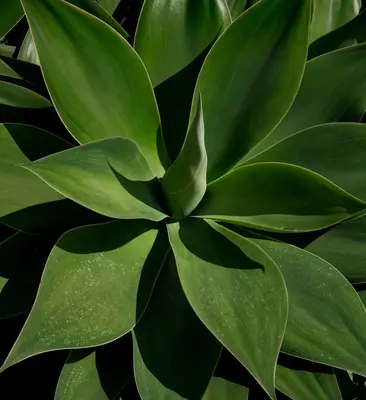
A stunning architectural succulent with large, flat, paddle-shaped leaves that stack in perfect rosettes and develop gorgeous red edges in bright light. This South African beauty is prized for its dramatic foliage and impressive size, making it a perfect statement plant for modern gardens. The thick, waxy leaves have a powdery coating that adds to its sculptural appeal.
Sun
Full sun to partial shade
Zones
9–12
USDA hardiness
Height
0-4 feet
Complete Growing Guide
Light: Full sun (6 or more hours of direct sunlight a day), Partial Shade (Direct sunlight only part of the day, 2-6 hours). Soil: Loam (Silt), Sand. Soil pH: Acid (<6.0), Alkaline (>8.0), Neutral (6.0-8.0). Drainage: Good Drainage, Moist, Occasionally Dry, Very Dry. Height: 0 ft. 6 in. - 4 ft. 0 in.. Spread: 1 ft. 0 in. - 2 ft. 0 in.. Growth rate: Slow. Maintenance: Low, Medium. Propagation: Division, Leaf Cutting, Stem Cutting.
Harvesting
Paddle plants rarely require harvesting due to their ornamental nature, but leaf removal for propagation signals peak readiness when mature leaves display vibrant red edges and feel firm yet plump with stored moisture. Harvest individual lower leaves by gently twisting them away from the rosette base, where they separate cleanly at the petiole—this single-leaf approach allows continuous harvesting throughout the growing season without compromising the plant's form. For optimal propagation success, harvest leaves during spring or early summer when the plant's vigor peaks, and allow detached leaves to callus for three to five days before placing on well-draining soil to encourage root development.
Bloom time: Summer
Storage & Preservation
Paddle Plants are living succulents and should be stored in bright, indirect light at room temperature (65-75°F) with low humidity. If already potted, place on a sunny windowsill or shelf away from drafts. Avoid cold temperatures below 50°F, which can damage the plant. For preservation, maintain minimal watering (once every 2-3 weeks), allow soil to dry completely between waterings, and ensure excellent drainage. Propagation through leaf or stem cuttings is highly successful—simply allow cut pieces to callus for 3-5 days before planting in dry succulent soil. Repot every 1-2 years as the plant grows.
History & Origin
Origin: Africa, Asia
Advantages
- +Attracts: Bees, Butterflies
- +Low maintenance
Considerations
- -Toxic (Flowers, Fruits, Leaves, Roots, Sap/Juice, Seeds, Stems): Medium severity
- -Causes contact dermatitis
Companion Plants
Paddle plant does best alongside other drought-tolerant succulents — Sedum, Echeveria, Hens and Chicks (Sempervivum), and Jade Plant all run on the same schedule: fast-draining soil, water every 7-10 days in the growing season, and nothing in between. That shared rhythm means no one plant is pulling moisture the others need. Agave and Aloe Vera work for the same reason, and their upright or rosette forms contrast with the paddle plant's stacked, scallop-edged leaves without competing for light. Lavender and Rosemary earn a spot in outdoor beds — both tolerate soil pH around 6.5-7.0 and shrug off dry spells that would finish most annuals.
Impatiens, Hostas, and Ferns are a different situation entirely. All three want consistently moist soil — Hostas and Ferns especially, often needing water every 2-3 days in summer heat. Put any of them in the same container or bed as a paddle plant and you're choosing between rotting your succulent or stressing your shade lovers. The watering schedules simply don't overlap.
Plant Together
Sedum varieties
Shares drought tolerance and creates diverse succulent ground cover
Hens and Chicks (Sempervivum)
Similar water and light requirements, creates attractive textural contrast
Jade Plant
Compatible watering schedule and both thrive in well-draining soil
Lavender
Both prefer dry conditions and lavender repels pests that may damage succulents
Rosemary
Thrives in similar well-draining soil and deters harmful insects
Agave
Similar water requirements and creates striking architectural plant combinations
Echeveria
Compatible care needs and complementary rosette forms create visual interest
Aloe Vera
Both are succulents with similar light and minimal water requirements
Keep Apart
Impatiens
Requires frequent watering which can cause root rot in paddle plants
Hostas
Needs consistent moisture and shade, opposite of paddle plant requirements
Ferns
High humidity and moisture needs conflict with succulent's dry environment preferences
Pests & Disease Resistance
Resistance
Good disease resistance with proper care
Common Pests
Aphids, mealybugs, scale insects
Diseases
Root rot, powdery mildew in humid conditions
Troubleshooting Paddle Plant
What you'll see, why it happens, and what to do about it.
Stems turning brown and mushy at the base, lower leaves going soft and translucent
Likely Causes
- Root rot (Pythium or Phytophthora spp.) — almost always triggered by overwatering or a pot with no drainage hole
- Soil staying wet longer than 10 days, especially in cool or low-light conditions
What to Do
- 1.Unpot the plant immediately and cut off any black or brown roots with clean scissors; let the root ball air-dry for 24 hours before repotting into fresh, dry cactus mix
- 2.Repot into a terra-cotta pot with at least one drainage hole — terra-cotta wicks moisture away faster than plastic
- 3.Water only when the top 2 inches of soil are completely dry; in winter, that may mean once every 3-4 weeks
White, powdery coating on the upper surface of leaves, usually appearing in late summer or fall
Likely Causes
- Powdery mildew (Erysiphe or Golovinomyces spp.) — common when humidity is high and airflow is poor
- Crowding the plant against a wall or grouping it tightly with other plants indoors
What to Do
- 1.Move the plant to a spot with better airflow — at minimum, 12 inches of clearance from neighboring plants or surfaces
- 2.Spray affected leaves with a diluted neem oil solution (2 teaspoons per quart of water) once a week for 3 weeks
- 3.Don't mist the foliage; Kalanchoe thyrsiflora stores water in its leaves and has no use for foliar moisture — it just sits there and invites fungal problems
Sticky residue on leaves or white cottony clumps in the joints where leaves meet the stem
Likely Causes
- Mealybugs (Pseudococcidae family) — they hide in leaf axils and suck sap, leaving honeydew behind
- Scale insects (soft scale or armored scale) — look like small brown bumps that don't move; easy to miss until the infestation is advanced
What to Do
- 1.Dab individual mealybug clusters with a cotton swab soaked in 70% isopropyl alcohol — direct contact kills them on the spot
- 2.For a broader infestation, spray the whole plant with insecticidal soap (1 tablespoon per quart of water), making sure to hit the undersides of leaves and stem joints
- 3.Inspect every 5-7 days for a month; mealybug eggs are hard to see and a second wave is common after the first treatment
Frequently Asked Questions
Is Paddle Plant good for beginners?▼
Can you grow Paddle Plant in containers?▼
How often should I water my Paddle Plant?▼
How long does it take for Paddle Plant to mature?▼
What temperature range is best for Paddle Plant?▼
How do I propagate Paddle Plant?▼
Growing Guides from Wind River Greens
Sources & References
External authority sources used in compiling this guide.
- ExtensionNC State Extension
See the Methodology page for how this data is sourced, what's AI-assisted, and known limitations.