Purple Coneflower
Echinacea purpurea
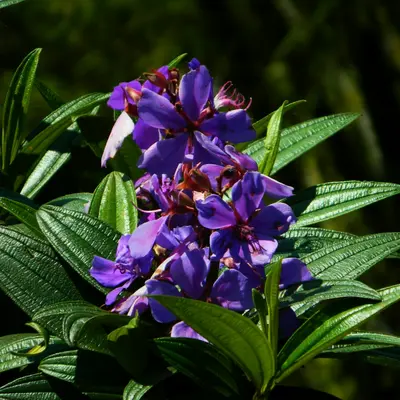
Easy-to-grow echinacea. Vigorous plants with large, purple-petaled flowers. Fibrous roots are easy to harvest (other species have taproots). Attracts and is a food source for bees. Also known as purple coneflower and eastern purple coneflower. Normally grown for 3-4 years for harvest of sizeable roots. Perennial in Zones 3-10.
Harvest
300-365d
Days to harvest
Sun
Full sun to partial shade
Zones
3–8
USDA hardiness
Height
3-4 feet
Planting Timeline
Showing dates for Purple Coneflower in USDA Zone 7
All Zone 7 native-wildflower →Zone Map
Click a state to update dates
Purple Coneflower · Zones 3–8
Growing Details
Complete Growing Guide
Purple coneflower's fibrous root system sets it apart from other echinacea species, allowing easier harvesting after 3–4 years without the deep taproot complications of alternatives. Plant in spring or early fall in well-draining soil and full sun; this cultivar thrives in Zones 3–10 but requires consistent moisture during establishment, especially in hotter regions where drought stress can trigger premature flowering before roots reach harvestable size. While generally pest-resistant, watch for powdery mildew in humid conditions—improve air circulation to prevent it. Unlike some wildflowers, purple coneflower won't bolt erratically if deadheaded before seed set, which also encourages bushier growth and stronger root development. For optimal root quality, resist harvesting flower buds during the first two years, allowing the plant to channel energy underground rather than into blooms.
Light: Full sun (6 or more hours of direct sunlight a day), Partial Shade (Direct sunlight only part of the day, 2-6 hours). Soil: Clay, High Organic Matter, Loam (Silt), Sand, Shallow Rocky. Soil pH: Neutral (6.0-8.0). Drainage: Good Drainage, Moist, Occasionally Dry. Height: 3 ft. 0 in. - 4 ft. 0 in.. Spread: 1 ft. 0 in. - 2 ft. 0 in.. Spacing: 12 inches-3 feet. Growth rate: Rapid. Maintenance: Low. Propagation: Division, Root Cutting, Seed. Regions: Coastal, Mountains, Piedmont.
Harvesting
Purple coneflower roots reach peak harvest readiness in their third or fourth year when plants display mature size and vigor, typically indicated by robust stems and abundant flowering. Harvest in fall after foliage dies back, when roots have accumulated maximum beneficial compounds and feel firm and substantial when gently excavated. Unlike continuous-harvest perennials, purple coneflower is best harvested as a single, complete root removal rather than partial harvesting, allowing you to gather all usable material at once. Time your harvest for late autumn or early winter after the first hard frost, as this timing ensures optimal root quality and nutrient concentration for medicinal preparation.
Seeds produced in the center cone are small, dark, 4 sided achenes that are attractive to birds.
Color: Black. Type: Achene. Length: < 1 inch. Width: < 1 inch.
Garden value: Good Dried
Harvest time: Fall, Summer
Edibility: Herbaceous parts may be steeped as a tea
Storage & Preservation
Fresh purple coneflower roots store in a cool, humid environment (40-50°F, 65-75% humidity) for 2-3 weeks—a root cellar or refrigerator crisper drawer works well. For longer storage, dry roots thoroughly at room temperature (65-75°F) in single layers on screens, turning occasionally. Properly dried roots stored in airtight glass jars in a dark, cool cabinet remain potent for 2-3 years.
For leaves and flowers, air-drying is the preferred method: bundle stems loosely and hang in a warm, dark room with good airflow for 1-2 weeks. Store dried leaves and flowers in glass jars away from sunlight—they maintain quality for 1-2 years.
Freezing is practical for fresh flowers and leaves destined for tea: place clean, dry material in freezer bags and freeze up to 6 months. Tincturing fresh roots in 40-50% alcohol (vodka works) preserves them indefinitely while concentrating medicinal compounds—a 1:2 root-to-alcohol ratio by weight, steeped 4-6 weeks, yields a shelf-stable preparation.
History & Origin
Echinacea purpurea, commonly known as purple coneflower, is native to the central and southeastern United States, where it has grown wild for centuries as part of the prairie and woodland ecosystems. While the plant itself represents a heritage tradition rather than a deliberately bred variety, the specific horticultural cultivars available today derive from selection and cultivation practices developed throughout the 20th century, particularly through seed companies and botanical gardens. The species became increasingly popular in ornamental gardening and herbal medicine during the late 1800s and early 1900s, though detailed documentation of specific breeding lines or individual breeders remains limited in readily available historical records.
Origin: Eastern and central USA
Advantages
- +Fibrous roots are much easier to harvest than taproots of other species.
- +Vigorous growth produces large purple flowers that attract beneficial pollinators.
- +Hardy perennial thrives in wide range of zones from 3 to 10.
- +Very easy to grow with minimal care requirements for home gardeners.
- +Dual-purpose plant provides both ornamental beauty and medicinal root harvest.
Considerations
- -Powdery mildew frequently affects foliage in humid or crowded growing conditions.
- -Root rot develops quickly in poorly drained soils or waterlogged sites.
- -Japanese beetles, aphids, and spider mites regularly damage leaves and flowers.
- -Requires 3-4 years of growth before roots are large enough for harvest.
Companion Plants
Black-Eyed Susan (Rudbeckia hirta) and Wild Bergamot (Monarda fistulosa) belong right alongside Echinacea — same soil pH range (6.0–7.5), similar water needs, and staggered bloom times that keep the planting useful to pollinators for 10–12 weeks straight. Little Bluestem Grass fills vertical space at 2–4 feet without competing at the root zone. Keep Mint out: it spreads through shallow rhizomes and will physically crowd the coneflower crown within a single season. Black Walnut roots release juglone, a biochemical that stunts or kills many broadleaf perennials — Echinacea included — so keep at least 50 feet of separation.
Plant Together
Black-Eyed Susan
Similar growing conditions, blooms complement each other, attracts beneficial pollinators
Bee Balm
Attracts butterflies and bees, similar soil and sun requirements, natural pest deterrent
Yarrow
Improves soil health, attracts beneficial insects, drought tolerant companion
Wild Bergamot
Native prairie companion, attracts pollinators, similar water needs
Little Bluestem Grass
Natural prairie companion, provides structural support, complementary root systems
Catmint
Repels aphids and ants, drought tolerant, long blooming period
Sedum
Similar drought tolerance, attracts beneficial insects, provides late season blooms
Russian Sage
Deer resistant, drought tolerant, attracts pollinators while deterring pests
Keep Apart
Black Walnut
Produces juglone which is toxic to many plants including Purple Coneflower
Mint
Aggressive spreader that can overwhelm and outcompete Purple Coneflower
Pine Trees
Creates acidic soil conditions and dense shade that Purple Coneflower cannot tolerate
Pests & Disease Resistance
Resistance
Generally disease resistant, may develop powdery mildew in humid conditions
Common Pests
Japanese beetles, aphids, spider mites
Diseases
Powdery mildew, root rot in poorly drained soils
Troubleshooting Purple Coneflower
What you'll see, why it happens, and what to do about it.
White powdery coating on leaves and stems, usually showing up mid-summer
Likely Causes
- Powdery mildew (Erysiphe cichoracearum) — fungal, thrives in warm days and cool nights with low airflow
- Plants spaced too close, blocking air circulation
What to Do
- 1.Cut affected stems back to the base — Echinacea regrows fine from the crown
- 2.Space plants at least 18 inches apart; 24 is better in humid climates
- 3.Apply a diluted neem oil spray (2 tbsp per gallon) every 7 days if the infection is spreading
Stems wilting and collapsing at the soil line, roots turning brown and mushy
Likely Causes
- Root rot caused by Phytophthora or Pythium spp. — almost always triggered by waterlogged soil
- Heavy clay soil holding standing water around the crown
What to Do
- 1.Dig out the affected plant and discard it — don't compost it
- 2.Amend the bed with coarse sand or perlite before replanting to improve drainage
- 3.Don't plant Echinacea in any low spot where water pools after rain
Ragged holes chewed in petals and leaves, metallic green-bronze beetles visible on the flowers
Likely Causes
- Japanese beetles (Popillia japonica) — peak feeding July through August
What to Do
- 1.Hand-pick beetles in the early morning when they're sluggish and drop them in soapy water
- 2.Avoid Japanese beetle traps nearby — they draw more beetles into the area than they actually catch
- 3.Apply beneficial nematodes (Heterorhabditis bacteriophora) to surrounding lawn soil in late summer to target overwintering grubs
Tiny clustered insects on new growth and flower buds; sticky honeydew residue coating leaves below
Likely Causes
- Aphids (commonly Myzus persicae or related species) — population spikes in spring and early summer
- Absence of predatory insects, often from nearby pesticide use
What to Do
- 1.Knock aphids off with a strong stream of water from a hose — repeat three days running to break the cycle
- 2.If populations are heavy, spray with insecticidal soap concentrate (usually 2.5 tbsp per gallon — check your label)
- 3.Catmint planted within 3–4 feet draws parasitic wasps that suppress aphid numbers without any intervention from you