Cannes Lavender II-III
Antirrhinum majus
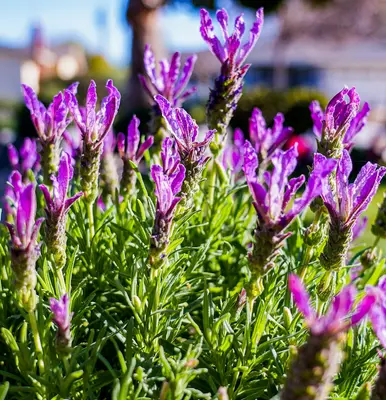
Compared to Potomac Lavender, Cannes Lavender II-III is about 5 days earlier to bloom and produces flowers with a similar, soft lavender color and comparable stem length. Suitable for field or greenhouse. Group 2-3 snapdragons can be grown in the field or indoors and are well-suited for spring, early summer, and fall production. Previously know as Costa Summer Lavender III. Edible Flowers: The flowers are a colorful garnish for use in salads, desserts, and drinks. The flavor is floral and slightly bitter, so use sparingly.
Harvest
105-115d
Days to harvest
Sun
Full sun to partial shade
Zones
7–10
USDA hardiness
Height
0-3 feet
Planting Timeline
Showing dates for Cannes Lavender II-III in USDA Zone 7
All Zone 7 flower →Zone Map
Click a state to update dates
Cannes Lavender II-III · Zones 7–10
Growing Details
Succession Planting
Cannes Lavender II-III runs 105-115 days from seed to bloom, so succession planting is less about continuous harvest and more about staggering your display across the season. In zone 7, start your first round indoors in February, transplant in April, then start a second batch indoors in March for a May transplant. Once daytime highs push consistently past 80°F, bloom quality drops and new transplants won't establish well — nothing started in June is going to reward you in July.
A fall flush is worth attempting: start seed indoors in late July and get transplants in the ground in early September once the worst heat is behind you. That round won't hit 105 days before frost in most of zone 7, so treat it as a bonus rather than a plan.
Complete Growing Guide
Compared to Potomac Lavender, Cannes Lavender II-III is about 5 days earlier to bloom and produces flowers with a similar, soft lavender color and comparable stem length. Suitable for field or greenhouse. Group 2-3 snapdragons can be grown in the field or indoors and are well-suited for spring, early summer, and fall production. Previously know as Costa Summer Lavender III. Edible Flowers: The flowers are a colorful garnish for use in salads, desserts, and drinks. The flavor is floral and slightly bitter, so use sparingly. According to Johnny's Selected Seeds, Cannes Lavender II-III is 105 - 115 days to maturity, annual, hybrid (f1). Notable features: Greenhouse Performer, Use for Cut Flowers and Bouquets, Edible Flowers, Fragrant.
Light: Full sun (6 or more hours of direct sunlight a day), Partial Shade (Direct sunlight only part of the day, 2-6 hours). Soil: High Organic Matter. Drainage: Good Drainage. Height: 0 ft. 6 in. - 3 ft. 0 in.. Spread: 0 ft. 6 in. - 0 ft. 10 in.. Spacing: Less than 12 inches. Growth rate: Medium. Maintenance: Medium.
Harvesting
Cannes Lavender II-III reaches harvest at 105 - 115 days from sowing per Johnny's Selected Seeds. As an annual, harvest continues until frost ends the season.
A capsule, half hidden by calyx lobes, short-beaked.
Type: Capsule. Length: 1-3 inches.
Storage & Preservation
Fresh cut spikes should be placed immediately in cold water (38-40°F) with floral preservative. Store in a cool location away from direct sunlight and ripening fruit (ethylene gas), where they'll hold quality for 7-10 days.
For edible flowers intended for immediate use, harvest and refrigerate loosely in a breathable container (never sealed plastic) for up to 2-3 days at 35-40°F.
To dry flowers for long-term storage and craft use, hang bundles upside down in a warm, dark, well-ventilated space (60-75°F) for 1-2 weeks until completely crisp. Store dried flowers in an airtight container in a cool, dark location for up to 6-12 months.
Freezing is less ideal for snapdragons due to texture loss, but you can freeze individual florets in ice cube trays with water for garnish in beverages—they'll maintain color for 2-3 months.
For culinary preservation, use fresh flowers within 48 hours of harvest for best flavor and visual appeal in salads and desserts.
History & Origin
Cannes Lavender II-III is an F1 hybrid developed through controlled cross-pollination. Listed in the Johnny's Selected Seeds catalog.
Origin: Southwestern Europe
Advantages
- +Blooms 5 days earlier than Potomac Lavender for faster production timelines
- +Versatile growing option suitable for both field and greenhouse environments
- +Soft lavender color provides consistent aesthetic appeal for floral arrangements
- +Edible flowers add unique culinary value to salads and beverages
- +Easy difficulty level makes it accessible for beginner and experienced growers
Considerations
- -Slightly bitter flavor requires careful measurement to avoid overpowering dishes
- -Relatively long maturation period of 105-115 days limits production cycles
- -Snapdragons are prone to rust and powdery mildew in humid conditions
Companion Plants
The herbs on the beneficial list — rosemary, thyme, sage, oregano, and santolina — produce volatile oils that interfere with how aphids and thrips locate host plants, which matters because both pests hit snapdragons reliably. Catmint (Nepeta) pulls in hoverflies and parasitic wasps without competing hard for water at the 12-18 inch spacing these snapdragons need. Skip mint entirely: it spreads by underground runners and will physically crowd out neighboring plants within a single growing season. Impatiens and hostas are poor fits on practical grounds — both need more shade and consistent soil moisture than Cannes II-III tolerates well.
Plant Together
Rosemary
Similar water and soil requirements, both repel pests and complement each other aesthetically
Thyme
Shares Mediterranean growing conditions, enhances aromatic garden appeal and pest deterrence
Sage
Compatible drought tolerance and soil preferences, creates a cohesive herb garden design
Catmint
Similar growing requirements, both attract beneficial pollinators while repelling harmful insects
Santolina
Matches lavender's low-water needs and provides contrasting silver foliage texture
Oregano
Thrives in similar Mediterranean conditions and helps deter common garden pests
Echinacea
Attracts beneficial insects and butterflies, tolerates similar soil conditions
Sedum
Excellent drainage requirements match lavender's needs, adds structural interest
Keep Apart
Mint
Aggressive spreading habit can overwhelm lavender and requires more water than lavender prefers
Impatiens
Requires frequent watering and rich, moist soil that promotes root rot in lavender
Hosta
Needs shade and consistent moisture, opposite of lavender's sun and dry soil requirements
Pests & Disease Resistance
Common Pests
Snapdragon aphids, spider mites, thrips
Diseases
Snapdragon rust, powdery mildew, Pythium root rot (in wet conditions)
Troubleshooting Cannes Lavender II-III
What you'll see, why it happens, and what to do about it.
Leaves and stems coated in orange-brown powdery pustules, usually appearing mid-season
Likely Causes
- Snapdragon rust (Puccinia antirrhini) — a fungal pathogen that spreads by airborne spores and thrives in humid conditions with poor air circulation
- Overhead watering that keeps foliage wet for extended periods
What to Do
- 1.Remove and bag affected leaves immediately — don't compost them
- 2.Switch to drip irrigation or water at the base only, early in the morning
- 3.Apply a sulfur-based fungicide on a 7-10 day schedule if the outbreak is spreading; Cannes II-III has some rust tolerance built in, but it's not immune
White powdery coating on upper leaf surfaces, usually in late summer when nights cool down
Likely Causes
- Powdery mildew — multiple fungal species, favored by warm days and cool nights with low rainfall
- Plants spaced too close, blocking airflow between stems
What to Do
- 1.Space plants at least 12 inches apart at transplant time — 15 inches is better in humid climates
- 2.Spray with a potassium bicarbonate product at first sign; a dilute baking soda solution (1 tablespoon per gallon) also works in a pinch
- 3.Cut back on nitrogen fertilizer late in the season — excess nitrogen pushes soft new growth that mildew colonizes fast
Stem base turns brown and mushy at soil level; plant wilts and collapses even when soil is moist
Likely Causes
- Pythium root rot — a water mold that attacks in waterlogged or poorly drained soil
- Planting in a low spot that holds water after rain
What to Do
- 1.Pull and discard the plant — Pythium moves through soil and there's no recovering a stem that's already gone soft
- 2.Before replanting that spot, work in 2-3 inches of compost or switch to a raised bed
- 3.Let the top inch of soil dry out between waterings; Cannes II-III wants consistent moisture, not standing water
New growth distorted or sticky, with tiny clustered insects on buds and shoot tips, or silvery streaking on petals
Likely Causes
- Snapdragon aphids (Myzus persicae or Macrosiphum euphorbiae) — soft-bodied insects that colonize tender growth and leave behind sticky honeydew
- Thrips (Frankliniella occidentalis) — nearly invisible at 1-2mm; their rasping feeding leaves streaked, papery petal tissue and crinkled buds
What to Do
- 1.Knock aphids off with a hard stream of water from a hose — repeat every 2-3 days until numbers drop
- 2.For thrips, apply spinosad or insecticidal soap directly to buds and shoot tips; thorough coverage matters more than how much you use
- 3.Check for ant activity at the base of the plant — ants actively protect aphid colonies from predators, so eliminating the ants speeds up the aphid crash
Frequently Asked Questions
How many days does Cannes Lavender II-III take to grow from seed to harvest?▼
Can you grow Cannes Lavender II-III in containers or pots?▼
Is Cannes Lavender II-III good for beginners?▼
What's the difference between Cannes Lavender II-III and Potomac Lavender?▼
Can you eat Cannes Lavender II-III flowers?▼
When should I plant Cannes Lavender II-III seeds indoors?▼
Zone-by-Zone Planting Calendar
| Zone | Indoor Start | Transplant | Direct Sow | Harvest |
|---|---|---|---|---|
| Zone 1 | May – June | July – August | July – September | — |
| Zone 2 | April – May | June – July | June – August | — |
| Zone 11 | January – January | January – February | January – March | — |
| Zone 12 | January – January | January – February | January – March | — |
| Zone 13 | January – January | January – February | January – March | — |
| Zone 3 | April – May | June – July | June – August | — |
| Zone 4 | March – April | June – June | June – July | — |
| Zone 5 | March – April | May – June | May – July | — |
| Zone 6 | March – April | May – June | May – July | — |
| Zone 7 | February – March | April – May | April – June | — |
| Zone 8 | February – March | April – May | April – June | — |
| Zone 9 | January – February | March – April | March – May | — |
| Zone 10 | January – January | February – March | February – April | — |
Growing Guides from Wind River Greens
Sources & References
External authority sources used in compiling this guide.
- BreederJohnny's Selected Seeds
See the Methodology page for how this data is sourced, what's AI-assisted, and known limitations.