Loose Leaf Green Grand Rapids
Lactuca sativa 'Grand Rapids'
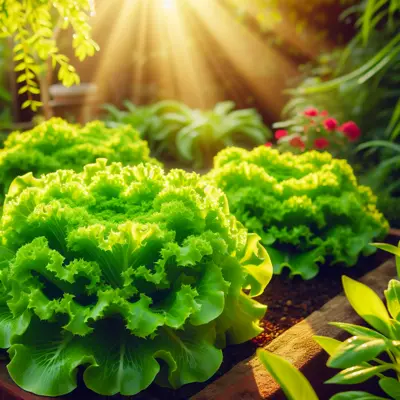
A classic loose-leaf variety that's been a garden favorite since the 1800s, prized for its reliability and heat tolerance. This fast-growing lettuce produces abundant, frilly green leaves with excellent flavor and crisp texture. Perfect for continuous harvest and ideal for beginners who want guaranteed success.
Harvest
45-55d
Days to harvest
Sun
Full sun to partial shade
Zones
2–11
USDA hardiness
Height
6-12 inches
Planting Timeline
Showing dates for Loose Leaf Green Grand Rapids in USDA Zone 7
All Zone 7 lettuce →Zone Map
Click a state to update dates
Loose Leaf Green Grand Rapids · Zones 2–11
Growing Details
Succession Planting
Direct sow Grand Rapids every 14 days starting when soil temps reach 40°F — in zone 7 that's usually early March. Keep sowing through early May, then stop. Lettuce germinates poorly above 75°F soil temperature and bolts fast once daytime highs are consistently at 85°F, so anything sown after late May is mostly a gamble. Pick the schedule back up in late August for a fall run, sowing every 14 days through mid-September; shorter days reduce bolt pressure and the plants tolerate light frost down to around 28°F without significant damage.
The zone 7 harvest window can stretch to November with fall successions if you cover plants with row cover once nights dip into the mid-20s. Each planting takes 45-55 days to full leaf, so count backwards from your average first hard freeze to find your last viable sow date.
Complete Growing Guide
Grand Rapids lettuce thrives when started either indoors 4-6 weeks before your last spring frost or direct sown outdoors 2-3 weeks before that date. This variety's heat tolerance means you can also succession plant every two weeks throughout spring and again in late summer for a fall crop, making it exceptionally flexible for gardeners seeking continuous harvests. Simply scatter seeds directly in prepared beds or start them indoors in seed trays, keeping soil consistently moist until germination occurs in 7-10 days.
Prepare your beds with rich, well-draining soil amended with compost or aged manure, as Grand Rapids responds well to fertile conditions and produces those characteristically abundant, frilly leaves when properly nourished. Thin seedlings or space transplants 6-8 inches apart; this variety reaches 6-12 inches tall and needs adequate air circulation around each plant. Sow seeds ¼ inch deep, barely covering them with soil, as lettuce seeds need light to germinate properly.
Water consistently and deeply, providing about one inch per week through drip irrigation or soaking at the soil level rather than overhead, which can promote fungal issues. Grand Rapids prefers consistently moist—not waterlogged—soil. During the growing season, a balanced fertilizer applied every 3-4 weeks supports vigorous leaf production, though well-prepared soil often supplies sufficient nutrition for the 45-55 day harvest window.
This variety's loose-leaf structure makes it particularly vulnerable to certain pests that other lettuce types handle differently. Flea beetles are especially troublesome for Grand Rapids, often creating the characteristic small, round holes in young leaves; use row covers early in the season or employ neem oil sprays if infestations appear. Aphids congregate in the frilly leaf clusters, so inspect the undersides of leaves regularly and spray with insecticidal soap if needed. Slugs are equally attracted to the tender foliage, so handpick them in early morning or create beer traps nearby. Rabbits find Grand Rapids irresistible, so consider fencing if these pests are present in your area.
Watch for downy mildew, which appears as pale patches on leaf undersides—improve air circulation and avoid wetting foliage to prevent this. Bottom rot and lettuce drop thrive in cool, wet conditions, so ensure drainage is excellent and space plants adequately for airflow.
The most common mistake gardeners make with Grand Rapids is harvesting too late. This variety produces its best flavor and crispest texture when leaves are young and tender, typically 35-45 days from sowing, well before the 55-day maximum. Harvest outer leaves regularly to encourage continued production, and don't wait until plants bolt or mature fully. Succession planting every 10-14 days ensures you always have tender, harvestable plants at peak quality.
Harvesting
Loose Leaf Green Grand Rapids reaches peak harvest readiness when the outer leaves develop a vibrant, deep green color and feel tender yet substantial between your fingers, typically around 45-55 days from planting. The frilly leaves should measure 4-6 inches long before picking, signaling optimal flavor and texture. This variety excels with continuous harvesting—simply pinch or cut outer leaves from the base while leaving the inner whorl intact, encouraging the plant to produce fresh growth for weeks. For maximum yield, harvest in early morning when leaves are crisp and full of moisture, ideally before temperatures exceed 75°F, as heat can introduce bitterness even in this heat-tolerant cultivar.
Tiny seeds with a dandelion-like tuft (pappus) to aid in wind dispersal.
Color: Brown/Copper. Type: Achene. Length: < 1 inch. Width: < 1 inch.
Harvest time: Summer
Edibility: Leaves can be used raw or cooked in salads, sandwiches, and other dishes. Head lettuce can be stored for 2-3 weeks while leaf and butterhead store for 1-2 weeks.
Storage & Preservation
Fresh Grand Rapids lettuce keeps best when harvested in the morning and immediately placed in cold water to crisp up. Gently pat leaves dry and store in perforated plastic bags in your refrigerator's crisper drawer at 32-36°F with high humidity. Properly stored leaves stay fresh for 7-10 days.
For preservation, freezing isn't recommended as lettuce becomes mushy when thawed. Instead, dehydrate leaves at 95°F for 6-8 hours to create crispy lettuce chips for soups and seasoning. You can also preserve the harvest by succession planting – since Grand Rapids handles heat well, plant new crops every 2-3 weeks for fresh lettuce year-round. In mild winter areas, this variety overwinters well under row covers, providing fresh greens when other vegetables are dormant.
History & Origin
Grand Rapids lettuce emerged as a distinct variety in the late nineteenth century, likely developed through American seed companies' selection work rather than formal institutional breeding. The variety gained prominence through commercial seed catalogues in the 1890s-1900s, becoming established as a reliable loose-leaf type suited to both home gardeners and market growers. While specific breeder attribution remains undocumented, Grand Rapids exemplifies the Victorian-era tradition of farmers and seedsmen identifying superior plants from existing lettuce populations and stabilizing their characteristics through careful selection. Its documented success in American gardens and commercial cultivation solidified its status as a heritage variety, though the precise origin story of this enduring cultivar has largely been lost to history.
Origin: Mediterranean to Siberia
Advantages
- +Fast-growing variety reaches harvest in just 45-55 days consistently
- +Abundant frilly leaves enable continuous harvest without replanting entire bed
- +Mild, sweet flavor with crisp texture appeals to most palates
- +Proven heat tolerance makes it reliable during warm spring weather
- +Easy difficulty level makes it ideal for beginner gardeners
Considerations
- -Susceptible to downy mildew in humid or poorly ventilated conditions
- -Flea beetles and slugs frequently damage young seedlings and leaves
- -Requires consistent moisture to prevent bottom rot and bitter flavor
- -Multiple pest vulnerabilities necessitate regular monitoring and preventive measures
Companion Plants
Radishes are worth tucking between Grand Rapids rows for more than one reason. They germinate in 5-7 days and mark your lettuce rows while the stand is still patchy; by the time they're ready to pull, the lettuce has filled in and there's no real competition for the shallow moisture both want. Chives and garlic planted nearby do seem to cut down on aphid pressure — the sulfur compounds appear to interfere with the insects' host-location, and either way it's a low-effort choice that doesn't cost you bed space you couldn't put to use otherwise.
Marigolds (Tagetes spp.) at the bed edge draw in predatory wasps and hoverflies that feed on aphids, which are Grand Rapids' most persistent soft-bodied pest. Nasturtiums pull double duty — they attract aphids away from the lettuce as a trap crop, and the flowers are edible, so you're not giving up ground for pure pest management. Carrots and spinach sit alongside lettuce without much conflict: lettuce roots stay mostly in the top 6-8 inches, while carrots reach down past a foot and don't compete for the same zone.
Broccoli is the companion to avoid. It's a heavy nitrogen feeder and will shade the bed by midsummer, pulling the same nutrients a fast-maturing lettuce crop needs to size up in 45-55 days. Research on brassica allelopathy also suggests root-zone compounds can slow germination of neighboring plants. Sunflowers present a different problem — they're hitting 6 feet right as your spring lettuce needs to finish out, and the shade they cast over a cool-season crop that's already racing the heat is more than most lettuces can handle.
Plant Together
Chives
Repels aphids and other soft-bodied insects that commonly attack lettuce
Marigolds
Deters aphids, whiteflies, and nematodes while attracting beneficial insects
Carrots
Deep roots don't compete with shallow lettuce roots, and carrots help break up soil
Radishes
Fast-growing, helps break up soil and can be harvested before lettuce needs full space
Spinach
Similar growing requirements and harvest timing, efficient use of garden space
Garlic
Natural pest deterrent against aphids and other insects that damage lettuce
Nasturtiums
Acts as trap crop for aphids and cucumber beetles, protecting lettuce
Dill
Attracts beneficial insects like ladybugs and parasitic wasps that control lettuce pests
Parsley
Attracts beneficial insects and has similar water requirements without competing for space
Keep Apart
Broccoli
Heavy feeder that competes for nutrients and creates too much shade for lettuce
Sunflowers
Allelopathic compounds inhibit lettuce growth and tall plants create excessive shade
Nutrition Facts
Per 100g serving. % Daily Value based on 2,000 calorie diet. Source: USDA FoodData Central (FDC #2346388)
Pests & Disease Resistance
Resistance
Good resistance to tipburn and bolting in moderate heat
Common Pests
Aphids, flea beetles, slugs, rabbits
Diseases
Downy mildew, lettuce drop, bottom rot
Troubleshooting Loose Leaf Green Grand Rapids
What you'll see, why it happens, and what to do about it.
Seedlings collapse at soil level within 7-10 days of going in the ground — stems look pinched or water-soaked at the base
Likely Causes
- Damping off — a complex of soil-borne fungi (Pythium spp., Rhizoctonia solani) that thrives in cold, wet, poorly-draining soil
- Overwatering newly transplanted or direct-sown seedlings before roots establish
What to Do
- 1.Pull the dead seedlings and check the roots — if they're brown and mushy rather than white, it's damping off, not drought
- 2.Don't replant lettuce in that same bed this season; the pathogen persists in the soil
- 3.Next planting, work in a 2-inch layer of compost to improve drainage, and hold off watering until the top inch of soil is dry after germination
Gray-white fuzzy coating on the underside of older leaves, with pale yellow patches on the upper surface
Likely Causes
- Downy mildew (Bremia lactucae) — spreads fast in cool, humid conditions, especially when nights drop below 60°F and leaves stay wet
- Overcrowded planting that traps moisture between plants
What to Do
- 1.Remove and trash (don't compost) any affected outer leaves immediately
- 2.Water at the base of the plant, not overhead, and do it in the morning so foliage dries before nightfall
- 3.Space Grand Rapids at least 6-8 inches apart — tighter than that and air circulation breaks down fast
Outer leaves riddled with small, irregular holes — damage appears suddenly overnight or over a couple of days
Likely Causes
- Flea beetles (Phyllotreta spp.) — tiny, jumping beetles that chew shotgun-pattern holes, worst on young transplants
- Slugs — similar damage but usually with a slime trail nearby and concentrated near soil level or the crown
What to Do
- 1.For flea beetles, cover seedlings with row cover (Agribon AG-19 or similar) immediately after planting and leave it on through the first 3 weeks
- 2.For slugs, set out a shallow dish of beer near damaged plants at dusk — you'll know by morning which pest you're dealing with
- 3.If slugs are confirmed, scatter iron phosphate bait (Sluggo) around the base of plants; it breaks down in the soil and is safe around pets
Outer leaves wilting and turning slimy brown from the base up, plant collapses even with adequate water
Likely Causes
- Lettuce drop (Sclerotinia sclerotiorum) — attacks the crown and outer leaves at soil line, leaving white cottony mycelium and small black sclerotia in the rotted tissue
- Bottom rot (Rhizoctonia solani) — similar collapse but without the white cottony growth; more common in warm, wet soil
What to Do
- 1.Pull the entire plant, including as much root as you can, and bag it for the trash — Sclerotinia sclerotia can survive in soil for 5-8 years
- 2.Pull mulch back an inch from the crown of each plant so the base stays as dry as possible
- 3.Rotate lettuce out of that bed for at least 2 seasons; both pathogens have a broad host range, so skip planting any other Asteraceae (endive, chicory) there in the meantime
Frequently Asked Questions
How long does Grand Rapids lettuce take to grow?▼
Can you grow Grand Rapids lettuce in containers?▼
Is Grand Rapids lettuce good for beginners?▼
When should I plant Grand Rapids lettuce?▼
What does Grand Rapids lettuce taste like?▼
Grand Rapids vs Black Seeded Simpson lettuce - what's the difference?▼
Zone-by-Zone Planting Calendar
| Zone | Indoor Start | Transplant | Direct Sow | Harvest |
|---|---|---|---|---|
| Zone 3 | — | — | May – June | June – October |
| Zone 4 | — | — | April – June | June – October |
| Zone 5 | — | — | April – May | June – November |
| Zone 6 | — | — | April – May | May – November |
| Zone 7 | — | — | March – May | May – November |
| Zone 8 | — | — | March – April | April – December |
| Zone 9 | — | — | February – March | March – December |
| Zone 10 | — | — | January – March | March – December |
| Zone 1 | — | — | June – July | July – September |
| Zone 2 | — | — | May – July | July – September |
| Zone 11 | — | — | January – February | February – December |
| Zone 12 | — | — | January – February | February – December |
| Zone 13 | — | — | January – February | February – December |
Growing Guides from Wind River Greens
Sources & References
External authority sources used in compiling this guide.
See the Methodology page for how this data is sourced, what's AI-assisted, and known limitations.