Sylvetta
Diplotaxis tenuifolia
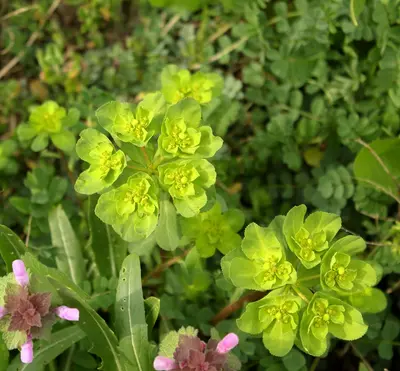
More compact than Bellezia, with deeply lobed leaves and a pungent flavor. Popular with chefs. Edible Flowers: Harvest the yellow flowers as they appear. Sprinkle them over salads or add to vegetable stir-fries. Flavor is spicy and nutty. Popular choice for brightening up salad mix.
Harvest
35d
Days to harvest
Sun
Full sun to partial shade
Zones
5–9
USDA hardiness
Height
6-24 inches
Planting Timeline
Showing dates for Sylvetta in USDA Zone 7
All Zone 7 lettuce →Zone Map
Click a state to update dates
Sylvetta · Zones 5–9
Growing Details
Succession Planting
Sylvetta bolts when daytime highs push consistently above 85°F, but it's slower to go than most cultivated lettuces — the peppery bite sharpens noticeably in the week before the plant gives up, so you'll get a warning. In zone 7, direct sow every 14 days from March 1 through early May, then pause once heat sets in. Pick back up in mid-August and sow through late September for fall harvest running into November.
For zones 5–6, hold the spring start until late March or early April once soil temperature reaches 50°F, and wrap up fall sowings by mid-September. Zones 8–9 flip the calendar — fall is your main season, with sowings from September through October producing well into winter.
Complete Growing Guide
Light: Dappled Sunlight (Shade through upper canopy all day), Full sun (6 or more hours of direct sunlight a day). Soil: Clay, Loam (Silt), Sand, Shallow Rocky. Soil pH: Acid (<6.0), Alkaline (>8.0), Neutral (6.0-8.0). Drainage: Good Drainage, Moist, Occasionally Dry. Height: 0 ft. 6 in. - 2 ft. 0 in.. Spread: 1 ft. 0 in. - 2 ft. 0 in.. Spacing: 12 inches-3 feet. Growth rate: Rapid. Maintenance: Low. Propagation: Seed. Regions: Coastal, Mountains, Piedmont.
Harvesting
The capsule splits into 2 halves when mature
Color: Brown/Copper. Type: Capsule. Length: < 1 inch. Width: < 1 inch.
Edibility: Can be used both raw and cooked
Storage & Preservation
Harvest Sylvetta at 35 days and store leaves in a breathable plastic bag in the refrigerator at 32–40°F with 95% humidity; they'll keep for 5–7 days, though best flavor comes within 2–3 days. For longer preservation, blanch leaves briefly in boiling water, chill in ice water, then freeze in airtight containers for up to three months. Sylvetta also dries well: spread clean leaves on a screen in a warm, dark, well-ventilated space until crisp, then store in an airtight jar away from light. The peppery notes intensify slightly when dried, making them excellent for winter soups and salads. Unlike milder lettuces, Sylvetta's robust flavor holds up remarkably well to freezing without becoming mushy, so don't hesitate to preserve larger harvests this way.
History & Origin
Origin: Europe, western Asia and northern Africa
Advantages
- +Attracts: Pollinators
- +Edible: Can be used both raw and cooked
- +Fast-growing
- +Low maintenance
Companion Plants
Chives and garlic are the most practical neighbors here — both emit volatile sulfur compounds that deter aphids and flea beetles, and neither competes hard for water at 6–8 inch spacing. Radishes pull double duty: fast-germinating ones act as a trap crop for flea beetles, drawing them off young Sylvetta before it gets chewed to lace. Tagetes patula (French marigold specifically) has documented nematode-suppressing activity in the root zone via alpha-terthienyl, which matters in beds with any Meloidogyne history. Skip fennel altogether — it produces root exudates that stunt most nearby vegetables — and keep sunflowers at a distance, since they'll out-compete for moisture and cast enough shade to flatten a planting that's already trying to hit 24 inches.
Plant Together
Chives
Repels aphids and other soft-bodied insects that commonly attack lettuce
Marigolds
Deters nematodes and aphids while attracting beneficial predatory insects
Carrots
Deep roots don't compete with shallow lettuce roots, and carrots help break up soil
Radishes
Fast-growing companion that helps break up soil and can be harvested before lettuce needs space
Garlic
Natural pest deterrent that repels aphids, slugs, and other lettuce pests
Nasturtiums
Acts as trap crop for aphids and cucumber beetles while attracting beneficial insects
Dill
Attracts beneficial insects like ladybugs and lacewings that prey on lettuce pests
Spinach
Similar growing requirements and harvest timing, efficient use of garden space
Keep Apart
Sunflowers
Large size creates excessive shade and competes heavily for water and nutrients
Broccoli
Heavy feeder that competes for nutrients and can overshadow delicate lettuce plants
Fennel
Releases allelopathic compounds that inhibit growth of lettuce and most other vegetables
Nutrition Facts
Per 100g serving. % Daily Value based on 2,000 calorie diet. Source: USDA FoodData Central (FDC #2346388)
Pests & Disease Resistance
Common Pests
Flea beetles, cabbage worms, slugs (generally resistant compared to cultivated lettuces)
Diseases
Downy mildew, bacterial leaf spot (generally disease resistant compared to cultivated lettuces)
Troubleshooting Sylvetta
What you'll see, why it happens, and what to do about it.
Seedlings collapse at soil level within the first 7–10 days after direct sowing
Likely Causes
- Damping off — a complex of soil-borne fungi (Pythium spp., Rhizoctonia solani) that thrives in cold, wet, poorly-drained soil
- Overwatering or heavy clay soil that holds moisture too long after germination
What to Do
- 1.Pull the dead seedlings and check the stem base — if it's pinched and brown at the soil line, damping off is the culprit; don't replant in that spot this season
- 2.Let the bed surface dry slightly between waterings; Sylvetta wants consistent moisture, not saturated soil
- 3.Thin to 6–8 inches so air moves between plants — dense stands stay wet longer and give the fungus a foothold
Small ragged holes punched through leaves, especially on young growth, starting shortly after germination
Likely Causes
- Flea beetles (Phyllotreta spp.) — tiny, fast-jumping beetles that feed heavily on young brassica-family plants; Sylvetta (Diplotaxis tenuifolia) is in the mustard family and draws them in
- Damage is worse during warm, dry spells in spring and late summer
What to Do
- 1.Cover the bed with row cover immediately after sowing — flea beetles are easiest to exclude before they find the planting
- 2.Once plants are 4–5 inches tall and growing fast, they can usually outpace the damage; row cover becomes optional at that point
- 3.Spinosad-based sprays (OMRI-listed) knock back heavy populations if you'd rather not use row cover
Gray-purple fuzzy growth on the underside of older leaves, with yellow patches on the upper surface
Likely Causes
- Downy mildew (Peronospora sparsa or a related Peronospora species) — favored by cool nights below 65°F and high humidity
- Overhead irrigation that keeps foliage wet overnight
What to Do
- 1.Strip and trash affected leaves — don't compost them
- 2.Switch to drip or base watering if you've been overhead-irrigating; wet leaves at night are the main driver
- 3.Sylvetta tolerates disease pressure better than head lettuce, but once a plant looks more gray than green, pull it and direct-sow a fresh row
Irregular water-soaked or brown lesions on leaves, sometimes with a yellow halo, not fuzzy on the underside
Likely Causes
- Bacterial leaf spot (Xanthomonas campestris or Pseudomonas cichorii) — spreads through rain splash and contaminated tools
- Working in the bed when leaves are wet, or crowded planting that traps humidity
What to Do
- 1.Remove and discard spotted leaves at the first sign; bacterial infections spread fast in warm, humid conditions
- 2.Stay out of the bed when foliage is wet — that's the most direct way to move bacteria from plant to plant
- 3.Rotate Sylvetta out of any bed with a history of bacterial spot for at least one full season
Frequently Asked Questions
How long does Sylvetta arugula take to grow?▼
Is Sylvetta good for beginners?▼
Can you grow Sylvetta arugula in containers?▼
What does Sylvetta taste like compared to regular arugula?▼
When should I plant Sylvetta for the best harvest?▼
How do you prevent Sylvetta from bolting so quickly?▼
Zone-by-Zone Planting Calendar
| Zone | Indoor Start | Transplant | Direct Sow | Harvest |
|---|---|---|---|---|
| Zone 1 | — | — | June – July | July – September |
| Zone 2 | — | — | May – July | June – September |
| Zone 11 | — | — | January – February | January – December |
| Zone 12 | — | — | January – February | January – December |
| Zone 13 | — | — | January – February | January – December |
| Zone 3 | — | — | May – June | June – October |
| Zone 4 | — | — | April – June | May – October |
| Zone 5 | — | — | April – May | May – November |
| Zone 6 | — | — | April – May | May – November |
| Zone 7 | — | — | March – May | April – November |
| Zone 8 | — | — | March – April | April – December |
| Zone 9 | — | — | February – March | March – December |
| Zone 10 | — | — | January – March | February – December |
Growing Guides from Wind River Greens
Sources & References
External authority sources used in compiling this guide.
- ExtensionNC State Extension
- BreederJohnny's Selected Seeds
- USDAUSDA FoodData Central
See the Methodology page for how this data is sourced, what's AI-assisted, and known limitations.