Lingonberry
Vaccinium vitis-idaea
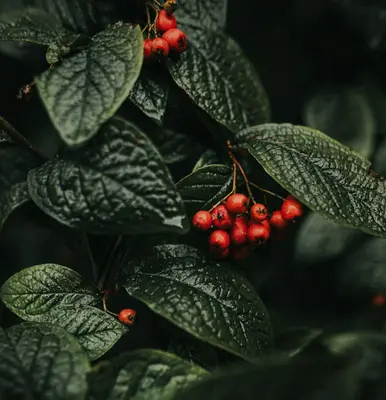
A Scandinavian favorite that's perfect for northern gardens, producing two crops per year of tart, cranberry-like berries. These low-growing evergreen shrubs create beautiful ground cover while yielding berries prized for their keeping quality and distinctive flavor. Ideal for gardeners wanting to grow something unique that thrives in cooler climates.
Harvest
90-120d
Days to harvest
Sun
Partial shade
Zones
1–6
USDA hardiness
Height
0-12 feet
Planting Timeline
Showing dates for Lingonberry in USDA Zone 1
All Zone 1 berry →Zone Map
Click a state to update dates
Lingonberry · Zones 1–6
Growing Details
Complete Growing Guide
Lingonberries demand acidic soil with a pH between 4.0 and 5.5, making them distinct from most berry cultivars that tolerate neutral conditions. Plant in spring or fall in partial shade with consistently moist but well-draining soil rich in peat or pine bark. Unlike other berries, lingonberries produce their characteristic two harvests annually—the main crop in summer and a smaller fall flush—so resist the urge to prune heavily before the second fruiting. These evergreen shrubs are remarkably pest-resistant but susceptible to root rot in poorly drained sites and leaf spot in humid conditions; ensure adequate air circulation. A practical strategy is to interplant multiple cultivars for cross-pollination, which significantly boosts berry production and compensates for their naturally modest individual yields in the first few years.
Soil pH: Acid (<6.0). Height: 0 ft. 6 in. - 12 ft. 0 in.. Spread: 0 ft. 6 in. - 12 ft. 0 in..
Harvesting
Lingonberries reach peak harvest readiness when they transition from bright red to deep crimson, indicating maximum sugar development and that characteristic tart flavor has fully concentrated. The berries should feel firm to the touch rather than soft, and you'll notice they detach easily from the stem with gentle rolling between your fingers. Unlike many berry crops, lingonberries support multiple harvests throughout the growing season, with the two annual crops arriving in early summer and again in late summer through fall. For optimal flavor intensity, harvest in the morning after dew has dried but before afternoon heat, as this timing preserves the berries' subtle complexity and extends their remarkable shelf life.
Fruit shape, color, and size vary with species with many being dark blue or bright red. They all have a distinct "crown" of 4-5 parts on the blossom end. The fruits are initially green, transition to reddish-pink, then blue with a glaucous coat.
Color: Blue, Green, Pink, Red/Burgundy. Type: Berry. Length: < 1 inch. Width: < 1 inch.
Garden value: Edible, Showy
Harvest time: Summer
Edibility: All fruits in this genus are safe to eat, though a few are not palatable. Most are sweet and/or tart and many, including blueberries and cranberries, are grown commercially for their fruit.
Storage & Preservation
Lingonberries store best at 32–40°F in high humidity (90–95%), packed loosely in shallow containers to prevent crushing. Fresh berries keep for two to three weeks under these conditions. For longer preservation, freezing is ideal—spread berries on a tray to freeze individually, then transfer to bags for up to a year. Canning as jam or sauce works well given their natural tartness and pectin content; process pints at a rolling boil for 15 minutes. Drying concentrates their flavor nicely for winter baking and tea blends. Cold maceration in sugar (equal parts berries and sugar) produces a traditional preserve without cooking, capturing the fresh tart profile. Unlike cranberries, lingonberries' milder acidity means you may need slightly less added sugar depending on your preference.
Companion Plants
Lingonberries do best surrounded by plants that share their need for acidic, consistently moist, well-drained soil. Blueberry and cranberry are the natural pairing — all three are ericaceous plants that thrive in the same pH 4.0–5.5 window, so a single bed amended with peat or sulfur can suit all of them without compromise. Rhododendrons, heather, and wintergreen fill similar roles without undercutting each other's shallow feeder roots. Pine and spruce pull double duty: needle drop acidifies the soil incrementally over years, and their canopy delivers the 4–6 hours of filtered light lingonberries actually prefer over full sun.
Black walnut is a hard stop — it produces juglone, a root-toxic compound that lingers in soil even after the tree is gone, and lingonberries have no tolerance for it. Lavender and brassicas create a soil management conflict that's difficult to work around: lavender wants pH 6.0–7.5 and brassicas prefer 6.0–7.0, so anything you do to keep lingonberries happy — acidifying amendments, peat mulch — will quietly stress those plants, and vice versa.
Plant Together
Blueberry
Shares similar acidic soil requirements and growing conditions
Cranberry
Compatible bog plant with similar water and soil pH needs
Rhododendron
Both thrive in acidic soil and provide mutual wind protection
Pine Trees
Create acidic soil conditions through needle drop, provide natural habitat
Ferns
Tolerate same acidic conditions and provide ground cover without competition
Heather
Natural companion in Nordic climates with matching soil and moisture requirements
Spruce Trees
Provide shade and acidic soil conditions lingonberries prefer
Wintergreen
Compatible understory plant with similar acidic soil preferences
Keep Apart
Black Walnut
Produces juglone which is toxic to most berry plants including lingonberry
Brassicas
Require alkaline soil conditions opposite to lingonberry's acidic needs
Lavender
Prefers alkaline, well-drained soil incompatible with lingonberry requirements
Nutrition Facts
Per 100g serving. % Daily Value based on 2,000 calorie diet. Source: USDA FoodData Central (FDC #167762)
Pests & Disease Resistance
Resistance
Good disease resistance, similar to other Vaccinium species
Common Pests
Few pest issues, occasional aphids and spider mites
Diseases
Leaf spot, root rot in poorly drained soils
Troubleshooting Lingonberry
What you'll see, why it happens, and what to do about it.
Leaves developing small brown or tan spots with darker borders, sometimes with a yellow halo, mid-season
Likely Causes
- Leaf spot fungus (Septoria or Phyllosticta spp.) — thrives in humid, still air
- Overhead watering that keeps foliage wet for extended periods
What to Do
- 1.Water at the base of the plant, not overhead — drip irrigation or a slow hose at soil level works well
- 2.Remove and trash (don't compost) affected leaves as soon as you spot them
- 3.Thin any overcrowded patches to improve airflow — lingonberries spread by stolons and can get dense fast
Plant wilting despite adequate moisture, with roots appearing brown and mushy when pulled
Likely Causes
- Phytophthora root rot — nearly always triggered by poorly drained soil or a low spot that holds water
- Soil pH above 5.5, which stresses roots and leaves them more susceptible to infection
What to Do
- 1.Test your soil pH — lingonberries want 4.0–5.5; amend with elemental sulfur if you're running higher
- 2.Rebuild drainage before replanting: a raised bed with a 50/50 peat-and-coarse-sand mix suits this species well
- 3.Don't replant lingonberries in the same spot where root rot occurred; Phytophthora persists in soil for years
Tiny, soft-bodied insects clustered on new growth tips, sometimes with sticky residue or curled young leaves
Likely Causes
- Aphid infestation (commonly green peach aphid, Myzus persicae) — typically worse during spring flush
- Absence of predatory insects in overly isolated or chemically managed plantings
What to Do
- 1.Knock aphids off with a firm spray of water — catches most infestations if you're on it within a few days
- 2.If pressure is heavy, apply insecticidal soap directly to affected tips; repeat every 5–7 days until clear
- 3.Interplant with heather or wintergreen, both of which attract ground beetles that feed on aphid populations
Leaves showing fine yellow stippling, bronzing, or a dusty look on the undersides, especially during dry spells
Likely Causes
- Two-spotted spider mite (Tetranychus urticae) — populations spike in hot, dry conditions above 80°F
- Drought stress making plants more susceptible to mite feeding damage
What to Do
- 1.Check leaf undersides with a hand lens — mites are tiny but visible at 10x, and webbing confirms the ID
- 2.Get watering back on schedule; mite outbreaks often track directly with a week or two of drought stress
- 3.Spray neem oil or insecticidal soap to the undersides of leaves in the early morning — not in full sun, or you'll scorch the foliage
Frequently Asked Questions
How long do lingonberries take to grow from planting to harvest?▼
Can you grow lingonberries in containers?▼
What do lingonberries taste like compared to cranberries?▼
Are lingonberries good for beginner gardeners?▼
When is the best time to plant lingonberries?▼
Do lingonberries spread and naturalize in the garden?▼
Zone-by-Zone Planting Calendar
Growing Guides from Wind River Greens
Sources & References
External authority sources used in compiling this guide.
See the Methodology page for how this data is sourced, what's AI-assisted, and known limitations.