Australian Yellow Leaf
Lactuca sativa 'Australian Yellow Leaf'
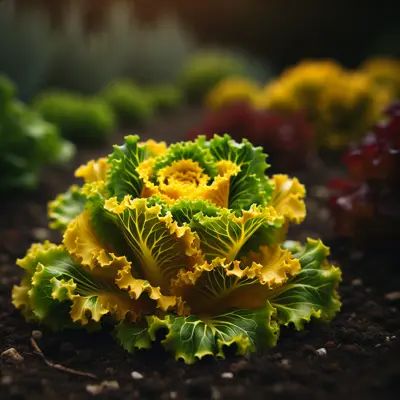
A rare and striking heirloom from Australia featuring unique golden-yellow leaves that create a stunning contrast in the garden and on the plate. This heat-tolerant loose-leaf variety produces tender, mild-flavored leaves that maintain their distinctive color throughout the growing season. The unusual coloration comes from natural breeding, not genetic modification, making this a conversation-starting addition to any heirloom garden.
Harvest
50-60d
Days to harvest
Sun
Full sun to partial shade
Zones
2–11
USDA hardiness
Height
6-12 inches
Planting Timeline
Showing dates for Australian Yellow Leaf in USDA Zone 7
All Zone 7 lettuce →Zone Map
Click a state to update dates
Australian Yellow Leaf · Zones 2–11
Growing Details
Succession Planting
Direct sow every 14–18 days starting around March 1 and run through early May. Australian Yellow Leaf has better heat tolerance than many heirlooms, but once daytime highs push consistently past 80°F, germination gets unreliable and plants rush to bolt within a week or two of sizing up. Resume sowing in late August for a fall run, and get your last seeding in by mid-October in zone 7 — that gives the plants enough time to hit 50–60 days before hard freezes arrive in November.
Complete Growing Guide
Australian Yellow Leaf lettuce thrives when started indoors about four weeks before your last spring frost, giving seedlings time to develop sturdy growth before transplanting. However, this variety also germinates reliably through direct sowing once soil temperatures reach 60°F and remain consistently cool. If you're in a warm climate, consider starting seeds indoors in late summer for a fall crop, as Australian Yellow Leaf's heat tolerance makes it one of the few lettuces that won't bolt prematurely during warm spells. Direct sow seeds about two weeks before your last frost for the fastest garden-to-table results.
Prepare your planting bed by working in compost or aged manure to create light, well-draining soil rich in organic matter. Sow seeds just barely below the surface—they need light to germinate—and space them half an inch apart in rows. Once seedlings reach two inches tall, thin them to six to eight inches apart to allow the distinctive golden-yellow leaves room to develop their full character and color intensity. Australian Yellow Leaf's moderate compact size means even closer spacing of four to six inches works if you prefer more frequent harvesting of individual outer leaves.
Water consistently throughout the growing season, providing about one inch per week through rainfall or irrigation. This variety prefers evenly moist soil without waterlogging, which becomes especially important in warm weather when the dramatic yellow foliage can stress under drought conditions. Feed lightly with a balanced, diluted fertilizer every three weeks if your soil isn't rich in compost, though this heirloom typically doesn't demand heavy feeding.
Australian Yellow Leaf shows impressive resistance to heat compared to most lettuce varieties, but watch closely for aphids congregating on the tender undersides of those golden leaves—their light color makes infestations easier to spot. Slugs are particularly attracted to young seedlings, so monitor your beds during damp mornings and consider copper tape barriers around plantings. Flea beetles may create small holes in newly emerged leaves; cover young plants with floating row cloth until they reach four inches tall. While this cultivar shows better downy mildew resistance than many lettuces, improve air circulation by spacing appropriately and avoid overhead watering to prevent fungal disease.
Succession plant every two to three weeks throughout spring and again in late summer for continuous harvests. Rather than harvesting entire heads, pinch off outer leaves once the plant reaches four inches tall—Australian Yellow Leaf responds beautifully to this "cut and come again" method while maintaining its vibrant yellow color through multiple harvests.
Gardeners frequently overestimate how much space this variety needs, crowding plants too closely and creating humidity problems that invite disease. Give Australian Yellow Leaf breathing room to showcase its stunning golden foliage while staying healthy.
Harvesting
Harvest Australian Yellow Leaf lettuce when the golden-yellow leaves reach 4–6 inches long and feel tender yet crisp to the touch, typically around 50–60 days from planting. The distinctive yellow coloration deepens at peak maturity, signaling optimal flavor and texture. For continuous harvests, pinch off outer leaves at the base while allowing the center to keep growing, extending productivity for several weeks. Alternatively, cut the entire head 1–2 inches above soil level for a single harvest that often regenerates into a second, smaller flush. Time your main harvest in early morning when leaves are fully hydrated and crisp, avoiding the heat of midday to preserve the delicate texture and mild sweetness this variety is prized for.
Tiny seeds with a dandelion-like tuft (pappus) to aid in wind dispersal.
Color: Brown/Copper. Type: Achene. Length: < 1 inch. Width: < 1 inch.
Harvest time: Summer
Edibility: Leaves can be used raw or cooked in salads, sandwiches, and other dishes. Head lettuce can be stored for 2-3 weeks while leaf and butterhead store for 1-2 weeks.
Storage & Preservation
Store freshly harvested Australian Yellow Leaf lettuce immediately in the refrigerator to preserve its distinctive color and crisp texture. Wrap unwashed leaves loosely in damp paper towels, then place in a perforated plastic bag in the crisper drawer. Properly stored leaves maintain quality for 7-10 days at 32-36°F with high humidity.
For best flavor and texture, use within 3-5 days of harvest. The unique golden color may fade slightly over time, so prioritize fresh use for maximum visual impact.
While lettuce doesn't preserve well through traditional methods like canning or freezing, you can dehydrate young, tender leaves at 95°F for 8-12 hours to create crispy chips that retain some color. Alternatively, incorporate into compound butters or herb salts before the leaves lose their vibrancy. For longer storage, consider lacto-fermenting whole small leaves in a 2% salt brine for 3-5 days to create a unique pickled green with probiotic benefits.
History & Origin
The origins of Australian Yellow Leaf lettuce remain somewhat obscure in formal horticultural records, though the variety emerged from Australia's long tradition of adapting vegetable crops to warm, dry climates. Like many heirloom lettuces, it likely descended from European loose-leaf breeding lines that were selectively cultivated by Australian gardeners and farmers throughout the twentieth century to enhance heat tolerance and distinctive appearance. The golden-yellow coloration appears to have arisen through natural mutations and deliberate selection rather than modern genetic engineering, preserving it within Australia's seed-saving community before gaining wider recognition among heirloom enthusiasts. Documentation of its specific breeder, breeding institution, or year of introduction remains limited in published seed catalogs and academic sources, making it representative of many regionally important varieties whose histories exist primarily within gardening folklore and family seed collections.
Origin: Mediterranean to Siberia
Advantages
- +Striking golden-yellow leaves create stunning visual appeal in gardens and salads.
- +Heat-tolerant variety performs well during warm growing seasons other lettuce struggles.
- +Mild, sweet flavor with tender texture makes it excellent for fresh eating.
- +Rare heirloom status offers unique conversation-starter appeal for gardeners and food enthusiasts.
- +Natural coloration requires no genetic modification, appealing to organic and heirloom growers.
Considerations
- -Moderate difficulty level demands more attentive care than beginner-friendly lettuce varieties.
- -Susceptible to downy mildew and lettuce mosaic virus, requiring preventative management strategies.
- -Multiple pest vulnerabilities including aphids, slugs, and flea beetles necessitate regular monitoring.
- -Rarity means seed availability may be limited and sourcing can be challenging.
Companion Plants
Radishes are the most practical neighbor for Australian Yellow Leaf — they germinate in 5–7 days, mark your rows while the lettuce gets established, and their volatile sulfur compounds confuse flea beetles before the beetles get a chance to riddle your outer leaves. Chives work similarly against aphids through scent disruption, and nasturtiums go a step further by acting as a trap crop: aphids pile onto the nasturtiums and largely leave the lettuce alone. Keep fennel out of the picture entirely — it releases allelopathic compounds from its roots that suppress most vegetables, and lettuce is no exception. Sunflowers are a subtler problem: their root systems pull hard from the top 6–12 inches of soil, exactly where lettuce feeds, and they'll win that competition without you noticing until your heads come in undersized.
Plant Together
Basil
Repels aphids and whiteflies, may improve lettuce flavor
Chives
Deters aphids and other soft-bodied insects that damage lettuce
Carrots
Deep roots complement shallow lettuce roots, minimal competition
Radishes
Quick-growing, helps loosen soil and can be harvested before lettuce matures
Marigolds
Repels nematodes and aphids, attracts beneficial insects
Spinach
Similar growing requirements, good succession planting companion
Nasturtiums
Acts as trap crop for aphids, attracts beneficial predatory insects
Parsley
Attracts beneficial insects and provides light shade in hot weather
Keep Apart
Sunflowers
Creates too much shade and competes heavily for nutrients and water
Fennel
Inhibits growth through allelopathic compounds that stunt lettuce development
Broccoli
Heavy feeder that competes for nutrients and creates excessive shade
Nutrition Facts
Per 100g serving. % Daily Value based on 2,000 calorie diet. Source: USDA FoodData Central (FDC #2346388)
Pests & Disease Resistance
Resistance
Good heat tolerance, moderate disease resistance
Common Pests
Aphids, slugs, flea beetles
Diseases
Downy mildew, lettuce mosaic virus
Troubleshooting Australian Yellow Leaf
What you'll see, why it happens, and what to do about it.
Seedlings collapse at the soil line within the first 7-10 days after planting — stems look pinched or water-soaked at the base
Likely Causes
- Damping off — a complex of soil-borne fungi (Pythium spp., Rhizoctonia solani) that thrives in cold, wet, poorly-draining soil
- Replanting lettuce in the same bed year after year, which allows pathogen load to build up — NC State's IPM diagnostic framework specifically flags prior-year bed history as a key factor
What to Do
- 1.Hold off on watering until the top inch of soil has dried slightly — soggy soil is what tips the scale toward damping off
- 2.If you've grown lettuce in that bed 3 or more years running, move it to a different spot this season
- 3.Start next season's seedlings in sterile seed-starting mix and work compost into the bed to open up drainage
White to gray fuzzy coating on the undersides of older leaves, with yellow patches on the upper surface — usually appears in cool, wet weather
Likely Causes
- Downy mildew (Bremia lactucae) — spreads quickly in temperatures between 50–65°F with high humidity or overhead irrigation
- Dense spacing that traps moisture and cuts airflow between plants
What to Do
- 1.Strip and trash the affected leaves — don't compost them
- 2.Space plants at least 10–12 inches apart and water at the base, not overhead, especially in the evening
- 3.In beds with repeat downy mildew problems, rotate out of lettuce for one full season; a copper-based fungicide applied at first sign can slow spread
Frequently Asked Questions
How long does Australian Yellow Leaf lettuce take to grow?▼
Can you grow Australian Yellow Leaf lettuce in containers?▼
What does Australian Yellow Leaf lettuce taste like?▼
When should I plant Australian Yellow Leaf lettuce?▼
Is Australian Yellow Leaf lettuce good for beginners?▼
Why are my Australian Yellow Leaf lettuce leaves turning green?▼
Zone-by-Zone Planting Calendar
| Zone | Indoor Start | Transplant | Direct Sow | Harvest |
|---|---|---|---|---|
| Zone 3 | — | — | May – June | June – October |
| Zone 4 | — | — | April – June | June – October |
| Zone 5 | — | — | April – May | June – November |
| Zone 6 | — | — | April – May | May – November |
| Zone 7 | — | — | March – May | May – November |
| Zone 8 | — | — | March – April | April – December |
| Zone 9 | — | — | February – March | March – December |
| Zone 10 | — | — | January – March | March – December |
| Zone 1 | — | — | June – July | July – September |
| Zone 2 | — | — | May – July | July – September |
| Zone 11 | — | — | January – February | February – December |
| Zone 12 | — | — | January – February | February – December |
| Zone 13 | — | — | January – February | February – December |
Growing Guides from Wind River Greens
Sources & References
External authority sources used in compiling this guide.
See the Methodology page for how this data is sourced, what's AI-assisted, and known limitations.