Katz Hi Double White
Matthiola incana
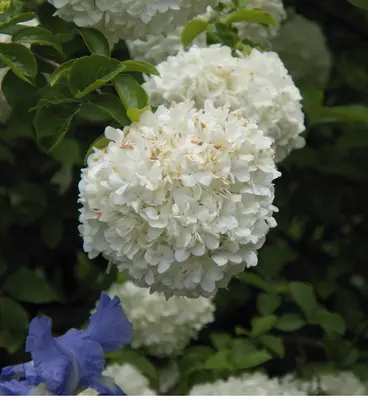
Wikimedia Commons via Matthiola incana
The same overall performance of the standard Katz series varieties, but now selected to produce 90% double-flowering plants. Long stems with 1 1/2-2", pure white blooms. Early blooming one-cut series. Performed well in our spring, early summer, and fall trials. Good uniformity in bloom time and stem length. Seedling selection for double flowers is not necessary; plants will yield 90% double blooms without selection. NOTE: This variety produces one flowering stem per plant. Pinching is not advisable as it will terminate flowering. Edible Flowers: The peppery, clove-like flavor of the flowers lends itself well to use as a garnish on salads, desserts, and drinks.
Harvest
90-100d
Days to harvest
Sun
Full sun to partial shade
Zones
6–10
USDA hardiness
Height
1-3 feet
Planting Timeline
Showing dates for Katz Hi Double White in USDA Zone 7
All Zone 7 flower →Zone Map
Click a state to update dates
Katz Hi Double White · Zones 6–10
Growing Details
Succession Planting
Stock is a one-and-done bloomer — each spike flowers once and that's it — so succession planting is the only way to extend your cut-flower window. In zone 7, sow indoors every 3 weeks from early February through early March, targeting transplant dates from early April into May. Don't push direct sowing past late April; stock needs cool nights (below 65°F) to initiate flowering, and by June those nights are gone.
The back half of the season is trickier. Start seeds indoors in late August and transplant in late September, aiming for spikes in October and November before frost. It works in most zone 7 years, but it's a gamble — if fall stays warm past mid-October, you'll get foliage without flowers. A cold frame can extend your odds by 2-3 weeks.
Complete Growing Guide
The same overall performance of the standard Katz series varieties, but now selected to produce 90% double-flowering plants. Long stems with 1 1/2-2", pure white blooms. Early blooming one-cut series. Performed well in our spring, early summer, and fall trials. Good uniformity in bloom time and stem length. Seedling selection for double flowers is not necessary; plants will yield 90% double blooms without selection. NOTE: This variety produces one flowering stem per plant. Pinching is not advisable as it will terminate flowering. Edible Flowers: The peppery, clove-like flavor of the flowers lends itself well to use as a garnish on salads, desserts, and drinks. According to Johnny's Selected Seeds, Katz Hi Double White is 90 - 100 days to maturity, annual, open pollinated. Notable features: Use for Cut Flowers and Bouquets, Edible Flowers, Fragrant.
Light: Full sun (6 or more hours of direct sunlight a day), Partial Shade (Direct sunlight only part of the day, 2-6 hours). Soil: Clay, High Organic Matter, Loam (Silt), Sand. Soil pH: Alkaline (>8.0), Neutral (6.0-8.0). Drainage: Good Drainage, Moist. Height: 1 ft. 0 in. - 3 ft. 0 in.. Spread: 0 ft. 9 in. - 1 ft. 6 in.. Spacing: Less than 12 inches, 12 inches-3 feet. Growth rate: Rapid. Maintenance: Low. Propagation: Seed. Regions: Coastal, Mountains.
Harvesting
Katz Hi Double White reaches harvest at 90 - 100 days from sowing per Johnny's Selected Seeds. Expect 1 1/2-2" at peak. As an annual, harvest continues until frost ends the season.
Seeds will ripen in August and September.
Harvest time: Fall
Storage & Preservation
For fresh storage, keep cut stems in a cool location (60-65°F) away from direct sunlight and ripening fruit. Refrigerate for extended vase life (7-10 days). Maintain humidity around 80-90% and change water every 2-3 days. For preservation, air-dry flowers by hanging upside down in a dark, well-ventilated space for 1-2 weeks to create long-lasting dried arrangements. Press individual blooms between paper and weights for 2-3 weeks to preserve for crafting or scrapbooking. Alternatively, freeze flowers in ice cubes with water for unique cocktail or dessert garnishes that can be stored for several months.
History & Origin
Katz Hi Double White is open-pollinated, meaning seed saved from healthy plants will produce true-to-type offspring. Listed in the Johnny's Selected Seeds catalog.
Origin: The Coast of Europe from Spain to Greece.
Advantages
- +90% double flowers without requiring seedling selection saves time
- +Long stems with large 1.5-2 inch blooms ideal for cutting
- +Early blooming one-cut series performs well across spring through fall
- +Consistent uniformity in bloom time and stem length for scheduling
- +Edible peppery clove-flavored flowers work well as gourmet garnish
Considerations
- -Single stem per plant limits yield compared to pinchable varieties
- -Non-pinchable growth habit means pinching will completely terminate flowering
- -90-100 day timeline requires advance planning for specific bloom dates
- -Limited to one flowering stem makes production less flexible
Companion Plants
Marigolds (Tagetes spp.) are the most practical neighbor here. French marigolds in particular exude alpha-terthienyl from their roots, which suppresses root-knot nematodes — a real concern in Georgia's sandy soils — and their scent disrupts aphids that would otherwise target stock's tender new growth. Plant them at the bed edge, 9-12 inches out, and let them work the perimeter.
Sweet alyssum and lobelia are worth tucking in as a low groundcover between plants. Both stay under 6 inches and don't compete for light, while their small flowers draw in parasitic wasps and hoverflies that prey on aphids and thrips. Catmint and verbena play a similar role at slightly more height — good insect habitat without shading out the spikes. In our zone 7 Georgia garden, this kind of mixed planting also keeps bare soil from heating up as fast through late spring, which buys stock a little more time before night temperatures stop cooperating.
The plants to keep away are mostly a matter of soil chemistry. Black walnut trees release juglone — a compound toxic to a wide range of plants including Matthiola — through their roots and fallen leaf litter. Eucalyptus has a comparable allelopathic effect, leaching growth-inhibiting terpenes into the surrounding root zone. Sunflowers are less severe but still a bad pairing: they're heavy feeders, carry allelopathic compounds of their own, and at 5-6 feet tall they'll cast enough shade to cut short the already-narrow window when stock performs well.
Plant Together
Marigolds
Repel aphids, whiteflies, and nematodes while attracting beneficial insects
Sweet Alyssum
Attracts beneficial insects like hoverflies and parasitic wasps for natural pest control
Nasturtiums
Act as trap crop for aphids and cucumber beetles, drawing pests away from petunias
Lobelia
Provides complementary low-growing ground cover and attracts pollinators
Catmint
Repels ants, mosquitoes, and rodents while attracting beneficial bees
Verbena
Similar growing conditions and attracts butterflies for garden biodiversity
Zinnia
Attracts ladybugs and other beneficial predators that control aphids
Calibrachoa
Compatible trailing companion with similar care needs and extended bloom period
Keep Apart
Black Walnut Trees
Produce juglone toxin that causes wilting and stunted growth in petunias
Sunflowers
Release allelopathic compounds that inhibit germination and growth of nearby flowers
Eucalyptus
Produces allelopathic oils that suppress growth of most flowering annuals
Troubleshooting Katz Hi Double White
What you'll see, why it happens, and what to do about it.
Seedlings collapse at the soil line, stems pinched and dark, within the first 2-3 weeks after germination
Likely Causes
- Damping off (Pythium or Rhizoctonia spp.) — fungal rot triggered by overwatering and poor airflow around seedlings
- Starting mix that stays wet too long, especially in trays without bottom drainage
What to Do
- 1.Water only when the top of the mix is dry to the touch — stock seedlings hate wet feet
- 2.Run a small fan near your seed trays for at least a few hours a day to keep air moving
- 3.If damping off has hit one tray, don't reuse that mix; start fresh and sanitize the tray with a 10% bleach solution
Leaves develop small, water-soaked gray or tan spots that expand and sometimes show a fuzzy gray coating in humid weather
Likely Causes
- Botrytis blight (Botrytis cinerea) — gray mold that thrives when nights are cool and humidity is high, common in spring and fall
- Dense planting that traps moisture around foliage
What to Do
- 1.Space plants at least 12 inches apart — 15 is better — and remove any dead or dying lower leaves immediately
- 2.Water at the base, not overhead, and do it early in the day so foliage dries before nightfall
- 3.Strip and trash (don't compost) infected tissue as soon as you spot it
Whole plant wilts despite adequate soil moisture, lower leaves yellow, and the stem base looks brown or water-soaked
Likely Causes
- Fusarium wilt (Fusarium oxysporum f. sp. matthiolae) — a soil-borne fungus that clogs the vascular tissue
- Planting in a bed that previously had brassicas or other Matthiola, where the pathogen can persist for several seasons
What to Do
- 1.Pull and bag infected plants — Fusarium stays in the soil, so don't compost them
- 2.Rotate stock out of any bed that's grown brassica-family crops in the past 2-3 years
- 3.Amend with compost to improve drainage; Fusarium gets worse in waterlogged, compacted soil
Flower spikes fail to open fully, buds turn brown or papery before the blooms develop, around days 85-95
Likely Causes
- Heat stress — Matthiola incana sets buds best below 65°F at night; daytime temps consistently above 80°F stall or abort flowers
- Inconsistent watering during bud development causing desiccation of developing tissue
What to Do
- 1.In zone 7, time your transplant so spikes are forming in April or early May, before temperatures climb — a February indoor sow gets you there
- 2.Mulch the root zone with 2-3 inches of straw to moderate soil temperature and hold moisture
- 3.If a heat wave hits during budding, 30-40% shade cloth can buy you a few extra days of cooler conditions
Frequently Asked Questions
How long do Katz Hi Double White flowers last in a vase?▼
Is Katz Hi Double White good for beginner flower growers?▼
Can I grow Katz Hi Double White in containers?▼
What do Katz Hi Double White flowers taste like?▼
When should I plant Katz Hi Double White seeds?▼
Why shouldn't I pinch Katz Hi Double White?▼
Zone-by-Zone Planting Calendar
| Zone | Indoor Start | Transplant | Direct Sow | Harvest |
|---|---|---|---|---|
| Zone 3 | April – May | June – July | June – August | — |
| Zone 4 | March – April | June – June | June – July | — |
| Zone 5 | March – April | May – June | May – July | — |
| Zone 6 | March – April | May – June | May – July | — |
| Zone 7 | February – March | April – May | April – June | — |
| Zone 8 | February – March | April – May | April – June | — |
| Zone 9 | January – February | March – April | March – May | — |
| Zone 10 | January – January | February – March | February – April | — |
| Zone 1 | May – June | July – August | July – September | — |
| Zone 2 | April – May | June – July | June – August | — |
| Zone 11 | January – January | January – February | January – March | — |
| Zone 12 | January – January | January – February | January – March | — |
| Zone 13 | January – January | January – February | January – March | — |
Growing Guides from Wind River Greens
Sources & References
External authority sources used in compiling this guide.
- BreederJohnny's Selected Seeds
See the Methodology page for how this data is sourced, what's AI-assisted, and known limitations.