Classic
Solanum melongena 'Classic'
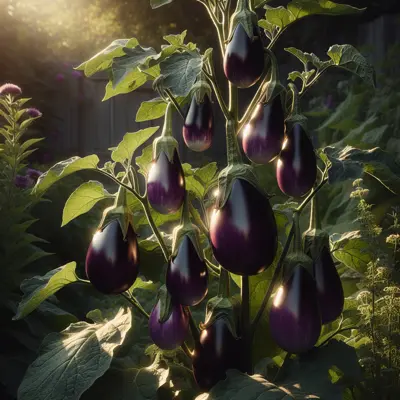
Classic eggplant is a heirloom variety prized for its glossy, deep purple skin and elegant elongated shape. Reaching maturity in 65-75 days, this dependable cultivar thrives in full sun to partial shade and produces abundantly in well-drained, fertile soil. Its defining characteristic is a mild, creamy flesh with minimal bitterness—a quality that makes it exceptionally versatile in the kitchen. Whether roasted, grilled, or fried, Classic eggplant delivers tender, flavorful results without requiring extensive preparation to remove bitter compounds. An ideal choice for gardeners seeking reliable yields and superior eating quality.
Harvest
65-75d
Days to harvest
Sun
Full sun to partial shade
Zones
2–11
USDA hardiness
Height
1-3 feet
Planting Timeline
Showing dates for Classic in USDA Zone 7
All Zone 7 eggplant →Zone Map
Click a state to update dates
Classic · Zones 2–11
Growing Details
Succession Planting
Classic eggplant keeps setting fruit all season once it gets going, so staggered successions aren't necessary — a single well-timed planting carries you from July through first frost. Start seeds indoors 8–10 weeks before last frost (early February in zone 7), transplant in late April to early May when soil holds steady at 65°F, and that one planting covers the harvest window.
If you lost plants early to flea beetles or bacterial wilt, a backup round started in late March can still go in the ground by late May and hit first harvest before temperatures drop. Don't push transplants out past early June in zone 7 — at 65–75 days to first fruit, the math gets tight fast.
Complete Growing Guide
Light: Full sun (6 or more hours of direct sunlight a day), Partial Shade (Direct sunlight only part of the day, 2-6 hours). Soil: Clay, High Organic Matter, Loam (Silt). Soil pH: Acid (<6.0), Alkaline (>8.0), Neutral (6.0-8.0). Drainage: Good Drainage, Moist. Height: 1 ft. 0 in. - 3 ft. 0 in.. Spread: 1 ft. 0 in. - 2 ft. 0 in.. Spacing: Less than 12 inches. Growth rate: Medium. Maintenance: High. Propagation: Seed.
Harvesting
Finely hairy, straw-colored at maturity with a tuft of short, stiff, light brown bristles at the tip.
Color: Cream/Tan. Type: Achene. Length: < 1 inch. Width: < 1 inch.
Harvest time: Fall
Edibility: Edible
Storage & Preservation
Store freshly harvested Classic eggplants at room temperature for 2-3 days for immediate use, as refrigeration can cause pitting and bitter flavors to develop. For longer storage, wrap individually in paper towels and refrigerate in the crisper drawer for up to one week.
For freezing, slice eggplants into rounds, salt them for 30 minutes to draw out moisture, then blanch for 4 minutes before freezing. This prevents the mushy texture that occurs when freezing raw eggplant. Frozen eggplant works well in cooked dishes like ratatouille or moussaka.
Dehydrating works excellently with Classic's meaty texture—slice into ¼-inch rounds, salt briefly, pat dry, and dehydrate at 135°F until leathery. Rehydrate in warm broth for soups and stews. Classic also preserves beautifully as baba ganoush, which freezes well for up to 6 months, or pickled as a Mediterranean-style antipasto that keeps refrigerated for several weeks.
History & Origin
Origin: Western Asia, Europe
Advantages
- +Attracts: Butterflies, Pollinators, Songbirds
- +Edible: Edible
Considerations
- -High maintenance
Companion Plants
Basil is worth planting at the base of eggplant — its volatile oils appear to confuse aphids and thrips, and at 12-inch spacing it fills ground you'd otherwise weed anyway. Marigolds (Tagetes spp.) pull weight by suppressing root-knot nematodes and drawing in parasitic wasps that hit aphid colonies hard. In our zone 7 Georgia garden, nasturtiums work as a trap crop: aphids pile onto them and leave the eggplant alone, which is a trade worth making. Fennel is allelopathic and will stunt most vegetables within a few feet; brassicas are a different problem — they share flea beetle pressure with eggplant, so planting them together is just concentrating your pest trouble in one spot.
Plant Together
Basil
Repels aphids, whiteflies, and hornworms while potentially improving eggplant flavor
Tomatoes
Similar growing requirements and can share space efficiently as nightshade family members
Peppers
Compatible nightshade family plants with similar soil and watering needs
Marigolds
Repel nematodes, aphids, and whiteflies while attracting beneficial insects
Nasturtiums
Act as trap crops for aphids and cucumber beetles, protecting eggplant
Catnip
Strong insect repellent that deters ants, aphids, and flea beetles
Hot Peppers
Natural pest deterrent that repels many insects harmful to eggplant
Borage
Attracts pollinators and beneficial insects while potentially improving growth
Keep Apart
Fennel
Produces allelopathic compounds that inhibit growth of most garden plants
Black Walnut
Produces juglone toxin that causes wilting and death in nightshade family plants
Brassicas
Compete for similar nutrients and may stunt eggplant growth through root competition
Nutrition Facts
Per 100g serving. % Daily Value based on 2,000 calorie diet. Source: USDA FoodData Central (FDC #169228)
Pests & Disease Resistance
Resistance
Good resistance to verticillium wilt and tobacco mosaic virus
Common Pests
Flea beetles, Colorado potato beetle, aphids, spider mites
Diseases
Fusarium wilt, bacterial wilt, phomopsis blight, early blight
Troubleshooting Classic
What you'll see, why it happens, and what to do about it.
Tiny shot-holes punched across young leaves, plant looks sandblasted — most common in the first 3 weeks after transplant
Likely Causes
- Flea beetles (Epitrix fuscula or related species) — overwinter in soil and leaf litter, hit transplants hard before plants size up
- Transplanting too early into cold soil (below 60°F), which slows plant growth and extends the window of vulnerability
What to Do
- 1.Cover transplants immediately with row cover (Agribon AG-19 or similar) and keep it on until plants are 12–15 inches tall and actively growing
- 2.If beetles are already present and damage is severe, a foliar application of spinosad can knock populations back — consult the current Georgia Pest Management Handbook for rates
- 3.Get transplants in the ground when soil temps are consistently 65°F or above so plants grow fast enough to outpace the feeding
Plant wilts suddenly on a warm day, doesn't recover overnight, lower stem shows brown discoloration inside when you cut it crosswise — can happen at any point in the season
Likely Causes
- Bacterial wilt (Ralstonia solanacearum) — soil-borne, enters through roots or wounds, spreads via contaminated tools and water splash
- Fusarium wilt (Fusarium oxysporum) — also soil-borne, symptoms nearly identical; confirmed by a continuous brown vascular streak running up the stem
What to Do
- 1.Dig out and bag the entire plant including as much root as you can get — do not compost it
- 2.NC State Extension notes that Ralstonia solanacearum persists in soil indefinitely once established, so pull that bed out of all nightshades — tomatoes, peppers, potatoes — for at least 3 seasons, knowing that won't fully clear bacterial wilt
- 3.Wipe down any tools that touched the infected plant with a 10% bleach solution before moving to another bed
Frequently Asked Questions
How long does Classic eggplant take to grow from seed?▼
Is Classic eggplant good for beginners?▼
Can you grow Classic eggplant in containers?▼
What does Classic eggplant taste like?▼
When should I plant Classic eggplant seeds?▼
How do I know when Classic eggplant is ready to pick?▼
Zone-by-Zone Planting Calendar
| Zone | Indoor Start | Transplant | Direct Sow | Harvest |
|---|---|---|---|---|
| Zone 1 | May – May | July – August | — | September – August |
| Zone 2 | April – May | June – July | — | September – September |
| Zone 11 | January – January | January – February | — | April – June |
| Zone 12 | January – January | January – February | — | April – June |
| Zone 13 | January – January | January – February | — | April – June |
| Zone 3 | April – April | June – July | — | August – October |
| Zone 4 | March – April | June – June | — | August – October |
| Zone 5 | March – March | May – June | — | August – October |
| Zone 6 | March – March | May – June | — | July – September |
| Zone 7 | February – March | April – May | — | July – September |
| Zone 8 | February – February | April – May | — | June – August |
| Zone 9 | January – January | March – April | — | May – July |
| Zone 10 | January – January | February – March | — | May – July |
Growing Guides from Wind River Greens
Sources & References
External authority sources used in compiling this guide.
See the Methodology page for how this data is sourced, what's AI-assisted, and known limitations.