Potomac Ivory
Antirrhinum majus
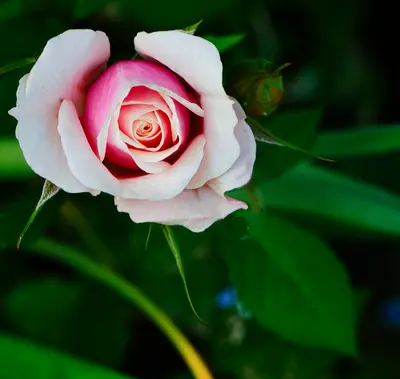
The white flower color and hint of soft yellow at the mouth of the blooms blend visually to create an overall ivory appearance. Suitable for field or greenhouse production. Group 3-4: Warm season snapdragons are bred for optimal performance under long days, high light levels, and warm temperatures. Edible Flowers: The flowers are a colorful garnish for use in salads, desserts, and drinks. The flavor is floral and slightly bitter, so use sparingly.
Harvest
110-120d
Days to harvest
Sun
Full sun to partial shade
Zones
7–10
USDA hardiness
Height
0-3 feet
Planting Timeline
Showing dates for Potomac Ivory in USDA Zone 7
All Zone 7 flower →Zone Map
Click a state to update dates
Potomac Ivory · Zones 7–10
Growing Details
Succession Planting
Start seeds indoors 10–12 weeks before your last frost — in zone 7, that puts you at early February. Transplant out in April once nighttime temps are reliably above 40°F. For a second flush, sow a new round of seeds indoors in late June and get them in the ground by mid-August; they'll come on once the heat backs off in September and carry through first frost. There's no benefit to staggering sowings every two weeks the way you would with lettuce — snapdragons bloom in a wave, stall in summer heat, then rebound. Two targeted rounds per year is the practical limit for this variety.
Complete Growing Guide
The white flower color and hint of soft yellow at the mouth of the blooms blend visually to create an overall ivory appearance. Suitable for field or greenhouse production. Group 3-4: Warm season snapdragons are bred for optimal performance under long days, high light levels, and warm temperatures. Edible Flowers: The flowers are a colorful garnish for use in salads, desserts, and drinks. The flavor is floral and slightly bitter, so use sparingly. According to Johnny's Selected Seeds, Potomac Ivory is 110 - 120 days to maturity, annual, hybrid (f1). Notable features: Easy Choice, Greenhouse Performer, Use for Cut Flowers and Bouquets, Edible Flowers, Fragrant.
Light: Full sun (6 or more hours of direct sunlight a day), Partial Shade (Direct sunlight only part of the day, 2-6 hours). Soil: High Organic Matter. Drainage: Good Drainage. Height: 0 ft. 6 in. - 3 ft. 0 in.. Spread: 0 ft. 6 in. - 0 ft. 10 in.. Spacing: Less than 12 inches. Growth rate: Medium. Maintenance: Medium.
Harvesting
Potomac Ivory reaches harvest at 110 - 120 days from sowing per Johnny's Selected Seeds. As an annual, harvest continues until frost ends the season.
A capsule, half hidden by calyx lobes, short-beaked.
Type: Capsule. Length: 1-3 inches.
Storage & Preservation
Potomac Ivory snapdragon flowers are best stored fresh by placing freshly cut stems in a vase with cool water at room temperature (65-72°F). Keep out of direct sunlight to preserve the delicate ivory coloring. For longer freshness, refrigerate cut arrangements at 35-40°F with high humidity (90%+); they'll last 7-14 days. Preservation methods include: (1) Air-drying in bundles hung upside-down in a warm, dark, well-ventilated space for 2-3 weeks to use in dried arrangements; (2) Pressing individual flowers between parchment paper under weights for 1-2 weeks for crafts or botanical display; (3) Freezing on trays then storing in airtight containers for 2-3 months if using as edible garnishes later.
History & Origin
Potomac Ivory is an F1 hybrid developed through controlled cross-pollination. Listed in the Johnny's Selected Seeds catalog.
Origin: Southwestern Europe
Advantages
- +Elegant ivory-white blooms with soft yellow centers create sophisticated visual appeal
- +Versatile for both field and greenhouse production with reliable performance
- +Easy to grow with minimal difficulty, suitable for beginner gardeners
- +Edible flowers add unique garnish potential to culinary presentations
- +Extended bloom period of 110-120 days provides long seasonal color
Considerations
- -Requires warm temperatures and high light to perform optimally indoors
- -Floral-bitter flavor necessitates restraint when using in culinary applications
- -Group 3-4 classification limits suitability for cool-season growing regions
Companion Plants
Marigolds (especially Tagetes patula) and nasturtiums work well near Potomac Ivory because both act as aphid magnets, drawing the colonies away from your snapdragons while also pulling in parasitic wasps that work through pest populations. Sweet alyssum at the border extends that beneficial-insect effect once the main bloom flush tapers off. Catmint and lavender are low-drama neighbors — they share Potomac Ivory's preference for good drainage without sending deep competing roots into the same zone. Give black walnut a wide berth: juglone, the compound it releases through root and leaf litter, is directly toxic to many annuals, and snapdragons aren't an exception. Fennel causes similar problems through allelopathic root exudates and tends to suppress anything planted within a foot or two of it.
Plant Together
Marigolds
Repel nematodes and aphids while attracting beneficial insects
Lavender
Deters pests with strong fragrance and attracts pollinators
Sweet Alyssum
Attracts beneficial insects and provides ground cover to retain moisture
Nasturtiums
Act as trap crops for aphids and cucumber beetles
Catmint
Repels ants, aphids, and rodents while attracting beneficial pollinators
Zinnia
Attracts butterflies and beneficial insects for pollination
Cosmos
Provides habitat for beneficial insects and adds vertical interest
Sage
Repels cabbage moths and carrot flies with aromatic oils
Keep Apart
Black Walnut
Produces juglone toxin that inhibits growth of many flowering plants
Eucalyptus
Releases allelopathic compounds that suppress nearby plant growth
Fennel
Inhibits growth of most garden plants through allelopathic effects
Sunflower
Competes aggressively for nutrients and water, may stunt smaller plants
Troubleshooting Potomac Ivory
What you'll see, why it happens, and what to do about it.
Gray fuzzy coating on stems or flowers, especially during cool, damp weather
Likely Causes
- Botrytis cinerea (gray mold) — thrives in stagnant air and temps between 60–77°F
- Crowded spacing that traps humidity around the crown
What to Do
- 1.Remove and bag any affected tissue immediately — don't compost it
- 2.Space plants at least 12 inches apart and thin any growth that blocks airflow through the center
- 3.Avoid overhead watering; switch to drip or water at the base early in the morning
Orange or rust-colored pustules on the undersides of leaves, with yellowing on the upper surface
Likely Causes
- Antirrhinum rust (Puccinia antirrhini) — a fungal disease specific to snapdragons, spread by wind and splashing water
- Poor air circulation combined with leaf wetness
What to Do
- 1.Pull and discard affected leaves; if more than a third of the plant is affected, pull the whole plant
- 2.Apply a sulfur-based fungicide as a preventive on remaining plants — repeat every 7–10 days during wet stretches
- 3.Rotate snapdragons out of that bed next season
Seedlings collapse at the soil line, stems appear pinched or water-soaked near the base
Likely Causes
- Damping off — typically Pythium or Rhizoctonia species — triggered by overwatering and poor drainage in trays
- Reusing unsterilized seed-starting mix from a previous season
What to Do
- 1.Discard affected seedlings and cut watering frequency immediately
- 2.Use fresh, sterile seed-starting mix each year and confirm trays have drainage holes
- 3.Run a small fan near seedlings for 1–2 hours per day to keep the surface from staying wet
Plants stop flowering and look stretched or leggy by midsummer, even with adequate water
Likely Causes
- Heat shutdown — Antirrhinum majus naturally goes semi-dormant when daytime temps consistently exceed 85°F
- Skipping the first pinch, which reduces branching and total flower count across the season
What to Do
- 1.Pinch the growing tip when transplants reach 4–6 inches tall to force lateral branching
- 2.Cut plants back by about one-third in late July; they'll often push new growth and bloom again once temps drop below 80°F in fall
- 3.Don't fight the summer gap — Potomac Ivory is a cool-season performer and the fall rebound is where it finishes strong
Frequently Asked Questions
How long do Potomac Ivory snapdragon flowers last in a vase?▼
Are Potomac Ivory snapdragons good for beginner gardeners?▼
Can you grow Potomac Ivory snapdragons in containers?▼
What do Potomac Ivory snapdragon flowers taste like?▼
How long does it take Potomac Ivory snapdragons to flower from seed?▼
Are Potomac Ivory snapdragons suitable for both field and greenhouse growing?▼
Zone-by-Zone Planting Calendar
| Zone | Indoor Start | Transplant | Direct Sow | Harvest |
|---|---|---|---|---|
| Zone 1 | May – June | July – August | July – September | — |
| Zone 2 | April – May | June – July | June – August | — |
| Zone 11 | January – January | January – February | January – March | — |
| Zone 12 | January – January | January – February | January – March | — |
| Zone 13 | January – January | January – February | January – March | — |
| Zone 3 | April – May | June – July | June – August | — |
| Zone 4 | March – April | June – June | June – July | — |
| Zone 5 | March – April | May – June | May – July | — |
| Zone 6 | March – April | May – June | May – July | — |
| Zone 7 | February – March | April – May | April – June | — |
| Zone 8 | February – March | April – May | April – June | — |
| Zone 9 | January – February | March – April | March – May | — |
| Zone 10 | January – January | February – March | February – April | — |
Growing Guides from Wind River Greens
Sources & References
External authority sources used in compiling this guide.
- BreederJohnny's Selected Seeds
See the Methodology page for how this data is sourced, what's AI-assisted, and known limitations.