Ellagance Purple
Lavandula angustifolia
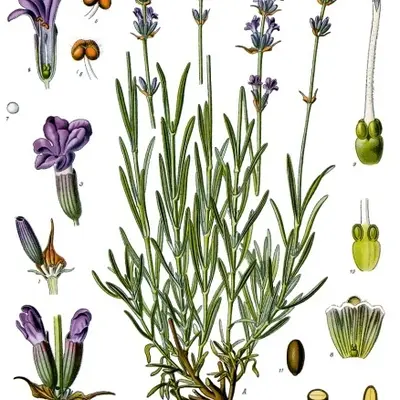
Deep purple flowers bloom the first year on large dense spikes. Plants are bushy, uniform, and well-branched. An alternative to vegetative varieties. Winter hardy in Zones 5-7. FleuroSelect Gold Award Winner. Edible Flowers: The flowers can be used to garnish desserts and as a distinct flavor element in baked goods. Flavor is sweet and floral and pairs well with citrus, berries, nuts, mint, and cinnamon.
Harvest
100-110d
Days to harvest
Sun
Full sun to partial shade
Zones
5–9
USDA hardiness
Height
12-24 inches
Planting Timeline
Showing dates for Ellagance Purple in USDA Zone 7
All Zone 7 herb →Zone Map
Click a state to update dates
Ellagance Purple · Zones 5–9
Growing Details
Complete Growing Guide
Deep purple flowers bloom the first year on large dense spikes. Plants are bushy, uniform, and well-branched. An alternative to vegetative varieties. Winter hardy in Zones 5-7. FleuroSelect Gold Award Winner. Edible Flowers: The flowers can be used to garnish desserts and as a distinct flavor element in baked goods. Flavor is sweet and floral and pairs well with citrus, berries, nuts, mint, and cinnamon. According to Johnny's Selected Seeds, Ellagance Purple is 100 - 110 days to maturity, perennial, open pollinated.
Light: Full sun (6 or more hours of direct sunlight a day), Partial Shade (Direct sunlight only part of the day, 2-6 hours). Soil: Loam (Silt), Sand, Shallow Rocky. Soil pH: Alkaline (>8.0), Neutral (6.0-8.0). Drainage: Good Drainage. Height: 1 ft. 0 in. - 2 ft. 0 in.. Spread: 2 ft. 0 in. - 3 ft. 0 in.. Spacing: 12 inches-3 feet. Growth rate: Medium. Maintenance: Low. Propagation: Division, Seed, Stem Cutting. Regions: Coastal, Mountains, Piedmont.
Harvesting
Ellagance Purple reaches harvest at 100 - 110 days from sowing per Johnny's Selected Seeds.
Fruits are non-ornamental nutlets.
Type: Capsule.
Storage & Preservation
Harvest Ellagance Purple lavender flowers at peak bloom, typically around day 100. Store fresh stems in a cool, dry place at 50–60°F with moderate humidity (40–50%), ideally in a vase with minimal water or wrapped loosely in paper to prevent mold. Fresh cut stems keep for 1–2 weeks; dried flowers last 1–2 years when stored properly.
Drying is the preferred preservation method—hang bundles upside down in a warm, well-ventilated space away from direct sunlight for 2–3 weeks until brittle, then strip flowers from stems and store in airtight containers. Freezing whole sprigs in ice cubes works for culinary use, though color and fragrance fade slightly. Avoid moisture during storage; any dampness invites fungal issues.
This variety's deep purple pigmentation holds remarkably well through drying, making it ideal for crafting and long-term ornamental display.
History & Origin
Ellagance Purple is open-pollinated, meaning seed saved from healthy plants will produce true-to-type offspring. Listed in the Johnny's Selected Seeds catalog.
Origin: Mediterranean region France, Italy, Spain
Advantages
- +Deep purple flowers bloom reliably in first year from seed
- +FleuroSelect Gold Award winner indicates superior genetics and performance quality
- +Winter hardy through Zone 5 makes it regionally versatile for gardeners
- +Edible flowers offer unique sweet-floral flavor for culinary and garnish uses
- +Bushy uniform growth requires minimal pruning or plant management effort
Considerations
- -100-110 day timeline limits use in very short growing seasons
- -Winter hardiness ends at Zone 5; unreliable survival in colder climates
- -Lavender generally dislikes heavy clay soils and poor drainage conditions
Companion Plants
Rosemary is the most practical neighbor here — same low-water requirements, same preference for sharp drainage, and neither one will crowd the other at 18–24 inch spacing. Marigolds pull their weight by confusing aphids and whiteflies, both of which NC State Extension flags as real pressure points for lavender in warm climates. Chives add a similar deterrent effect without competing for root space. Keep fennel well away — it's broadly allelopathic and documented to stunt nearby plants — and mint will spread aggressively enough in our zone 7 Georgia gardens to physically smother a slow-establishing lavender crown by midsummer if you're not watching it.
Plant Together
Basil
Repels aphids and thrips while attracting beneficial pollinators
Marigold
Deters nematodes and aphids with natural pest-repelling compounds
Chives
Repels aphids and other soft-bodied insects with sulfur compounds
Nasturtium
Acts as trap crop for aphids and cucumber beetles
Oregano
Repels ants and aphids while attracting beneficial insects
Parsley
Attracts beneficial wasps and hoverflies that control pests
Lavender
Repels moths, fleas, and flies with aromatic essential oils
Rosemary
Deters cabbage moths and carrot flies with strong fragrance
Keep Apart
Black Walnut
Produces juglone toxin that inhibits growth of many plants
Fennel
Allelopathic properties inhibit growth of most neighboring plants
Mint
Aggressive spreading root system competes for nutrients and space
Nutrition Facts
Per 100g serving. % Daily Value based on 2,000 calorie diet. Source: USDA FoodData Central (FDC #172232)
Pests & Disease Resistance
Common Pests
Aphids, spider mites, whiteflies (in warm climates)
Diseases
Powdery mildew (in humid conditions), root rot (if overwatered)
Troubleshooting Ellagance Purple
What you'll see, why it happens, and what to do about it.
White powdery coating on leaf surfaces, usually appearing in late summer after weeks of humidity
Likely Causes
- Powdery mildew (Erysiphe cichoracearum) — thrives when warm days and cool nights combine with poor airflow
- Crowded planting that traps moisture around foliage — spacing tighter than 18 inches is a common culprit
What to Do
- 1.Cut back the worst-affected stems by about one-third and dispose of the clippings in the trash, not the compost
- 2.Confirm plants are spaced 18–24 inches apart and not getting shaded by neighboring crops — NC State Extension notes that sun-loving plants placed in shade are weaker and more susceptible to disease
- 3.If the problem persists, apply a dilute neem oil spray in the early morning so foliage dries before evening
Plant wilting and declining despite regular watering, with brown, mushy roots visible when you pull it
Likely Causes
- Root rot (Phytophthora spp. or Pythium spp.) — nearly always triggered by overwatering or poorly draining soil
- Heavy clay soil holding water around the crown, which is a particular hazard in Georgia's Piedmont
What to Do
- 1.Dig the plant, trim off any black or slimy roots with clean shears, and replant in a raised bed or berm amended with coarse sand or perlite
- 2.Water only when the top 2 inches of soil are dry — once established, Ellagance Purple handles drought well and doesn't need regular irrigation
- 3.In containers, use a terracotta pot with drainage holes and empty the saucer within 30 minutes of watering
Frequently Asked Questions
How long does Ellagance Purple take to grow from seed to first flowers?▼
Is Ellagance Purple good for beginners?▼
Can you grow Ellagance Purple in containers?▼
What does Ellagance Purple taste like and how do you use the flowers?▼
Is Ellagance Purple winter hardy?▼
What's the difference between Ellagance Purple and other edible flower varieties?▼
Zone-by-Zone Planting Calendar
| Zone | Indoor Start | Transplant | Direct Sow | Harvest |
|---|---|---|---|---|
| Zone 3 | April – May | June – July | — | July – October |
| Zone 4 | March – April | June – July | — | July – October |
| Zone 5 | March – April | May – June | — | June – October |
| Zone 6 | March – April | May – June | — | June – November |
| Zone 7 | February – March | April – June | — | June – November |
| Zone 8 | February – March | April – May | — | May – December |
| Zone 9 | January – February | March – April | — | April – December |
| Zone 10 | January – January | February – April | — | April – December |
Growing Guides from Wind River Greens
Sources & References
External authority sources used in compiling this guide.
- BreederJohnny's Selected Seeds
- USDAUSDA FoodData Central
See the Methodology page for how this data is sourced, what's AI-assisted, and known limitations.