Lolla Rossa
Lactuca sativa 'Lolla Rossa'
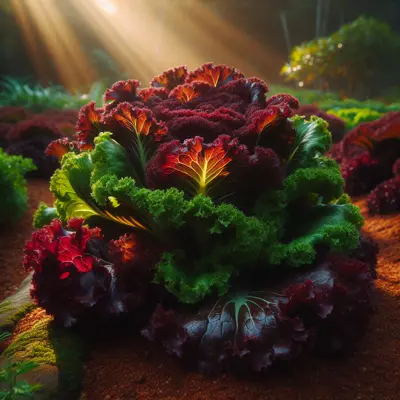
A stunning Italian heirloom loose-leaf lettuce that transforms any garden into a work of art with its deeply frilled, burgundy-red edges fading to bright green centers. This heat-tolerant beauty maintains excellent flavor even in warm weather, making it perfect for extended harvests. The dramatic color and texture make it as valuable for ornamental plantings as it is for the salad bowl.
Harvest
50-55d
Days to harvest
Sun
Full sun to partial shade
Zones
2–11
USDA hardiness
Height
6-12 inches
Planting Timeline
Showing dates for Lolla Rossa in USDA Zone 7
All Zone 7 lettuce →Zone Map
Click a state to update dates
Lolla Rossa · Zones 2–11
Growing Details
Succession Planting
Direct sow every 14 days starting March 1 in zone 7, and keep going through early May. Lolla Rossa handles heat better than most lettuces, but once daytime highs are consistently at 80°F it will bolt and turn bitter — that's your cutoff. Pick back up with a late-summer sow around August 15 once the worst heat breaks, and you can usually harvest through October or into November depending on your first frost date.
For cut-and-come-again harvests, start pulling outer leaves at day 45-50 and the plant will keep pushing new growth for another 2-3 weeks before the quality drops off. That stretches your window on each sow date without adding more rows, which is worth knowing if bed space is limited.
Complete Growing Guide
Lolla Rossa is best started from direct sowing outdoors rather than transplanting, as lettuce seedlings don't always transplant smoothly and this variety thrives when established in garden soil from the start. Sow seeds directly 2-3 weeks before your last spring frost for spring harvests, or in late summer for fall crops—Lolla Rossa's heat tolerance means you can continue sowing through summer when other lettuces bolt, making it ideal for succession planting every two weeks for continuous supplies. Press seeds just barely into the soil surface, as they need light to germinate; keep the seedbed moist until sprouting occurs in 7-10 days.
Prepare your planting area with rich, well-draining soil amended generously with compost or aged manure. Lolla Rossa prefers slightly acidic to neutral soil with plenty of organic matter to retain moisture without becoming waterlogged. Thin seedlings to 8-10 inches apart once they've developed their first true leaves, allowing enough room for the plant's characteristically broad, ruffled rosette to develop fully. The variety's frilled leaves need adequate air circulation to prevent disease problems, so proper spacing is especially important.
Water consistently and deeply, aiming for about 1-1.5 inches per week through rainfall or irrigation. This variety is sensitive to inconsistent watering, which can cause the stunning red coloration to fade or trigger bitter flavors. Water at the soil level rather than overhead when possible to keep foliage dry. Feed with a balanced, nitrogen-rich fertilizer every 3-4 weeks; Lolla Rossa's vigorous leaf production benefits from steady nutrition, though avoid over-fertilizing, which can reduce flavor.
Watch closely for aphids and flea beetles, which are particularly attracted to the tender, colorful foliage of Lolla Rossa. Check both leaf surfaces regularly and use insecticidal soap or neem oil at first sign of infestation. Slugs are a serious threat to young seedlings and newly emerged plants, so employ barriers or traps near plantings. Monitor for downy mildew, especially in cool, humid conditions, by removing any yellowed or spotted lower leaves immediately. The virus-resistant genetics of quality Lolla Rossa seeds from reputable sources offer some protection against lettuce mosaic virus, but remove any plants showing mottling or distortion promptly.
The most common mistake gardeners make with Lolla Rossa is harvesting too late. Unlike some butterhead varieties, this loose-leaf type reaches peak tenderness and color intensity at 50-55 days, and waiting longer results in coarser, less vibrant leaves. Begin harvesting outer leaves once plants reach 4-6 inches tall, allowing the center to continue producing. This steady leaf-by-leaf picking prolongs harvests for weeks rather than forcing you to cut entire plants at once.
Harvesting
Lolla Rossa reaches peak readiness when the distinctive burgundy-red edges deepen in color while the bright green centers remain tender and crisp, typically at 50-55 days from planting. Gently squeeze a leaf near the base—it should feel firm yet yield slightly without wilting. This cultivar responds exceptionally well to continuous harvesting, where you remove outer leaves as needed while the plant continues producing from the center, often extending your harvest window by several weeks. For optimal flavor and texture, pick leaves in early morning after dew has dried but before afternoon heat stresses the plant. Single-harvest cutting is also viable if you prefer to remove the entire head when it reaches 6-12 inches tall, though the continuous approach better showcases this variety's heat tolerance and productivity.
Tiny seeds with a dandelion-like tuft (pappus) to aid in wind dispersal.
Color: Brown/Copper. Type: Achene. Length: < 1 inch. Width: < 1 inch.
Harvest time: Summer
Edibility: Leaves can be used raw or cooked in salads, sandwiches, and other dishes. Head lettuce can be stored for 2-3 weeks while leaf and butterhead store for 1-2 weeks.
Storage & Preservation
Store freshly harvested Lolla Rossa immediately in perforated plastic bags in your refrigerator's crisper drawer at 32-36°F with high humidity (95-98%). Properly stored leaves maintain quality for 7-10 days, though the burgundy edges may fade slightly over time.
For maximum freshness, wrap unwashed leaves in damp paper towels before bagging. Never store near ethylene-producing fruits like apples or tomatoes, which cause rapid deterioration.
While freezing destroys the crisp texture, you can preserve Lolla Rossa by dehydrating young leaves at 95°F for 6-8 hours to create colorful garnish flakes. The variety also works well for microgreen production—harvest seedlings at 1-2 inches for intense flavor and color that maintains better than mature leaves when stored.
History & Origin
This Italian heirloom variety emerged from the broader tradition of loose-leaf lettuce cultivation in Europe, particularly in Italy where such frilly varieties have been staple garden plants for centuries. While the exact origin story and original breeder of 'Lolla Rossa' remain undocumented in widely available horticultural records, the variety represents a classic example of traditional Italian vegetable breeding. The name itself—"lolla" referring to the leafy head and "rossa" meaning red—descriptively reflects its most distinctive characteristics. It likely developed through generations of seed saving by Italian gardeners selecting for increasingly pronounced burgundy coloration and elaborate leaf frilling, eventually becoming a recognized heirloom variety distributed through European seed companies in the modern era.
Origin: Mediterranean to Siberia
Advantages
- +Stunning burgundy-red frilled leaves add ornamental beauty to gardens and plates.
- +Heat-tolerant variety maintains sweet flavor and crispness during warm summer months.
- +Fast 50-55 day maturity enables multiple successive plantings throughout the growing season.
- +Italian heirloom genetics deliver exceptional mild sweetness and tender texture consistently.
Considerations
- -Vulnerable to downy mildew in humid conditions requiring preventative fungal management.
- -Susceptible to lettuce mosaic virus with no resistant varieties available currently.
- -Attracts multiple pest species including aphids, slugs, and flea beetles simultaneously.
Companion Plants
Radishes are worth sowing right into the same row as Lolla Rossa — they're up in 5-7 days, mark the bed while the lettuce is still establishing, and you're pulling them at 30 days before the lettuce needs the room. Chives and garlic both put off sulfur compounds that confuse aphids, which matters because aphids are the most persistent pest on loose-leaf types like this one. Marigolds (Tagetes spp.) attract hoverflies and parasitic wasps that feed on aphid colonies, and their roots stay shallow enough that they don't compete with lettuce's 6-8 inch feeding zone.
Broccoli is the problem neighbor. It's a heavy nitrogen feeder and its root exudates are allelopathic to lettuce — keep at least 18 inches between them or you'll see the lettuce sitting stunted while the broccoli charges ahead. Sunflowers cast dense shade and release allelopathic compounds from their roots too, so they're a double issue for a low-growing, sun-dependent variety. Parsley is less dramatic but gets wide fast and will physically crowd out Lolla Rossa before you notice the competition.
Plant Together
Chives
Repels aphids and improves lettuce flavor while providing natural pest deterrent
Marigolds
Deters nematodes, aphids, and other pests while attracting beneficial insects
Radishes
Breaks up soil for lettuce roots and deters flea beetles and aphids
Carrots
Minimal root competition and helps loosen soil without competing for space
Garlic
Natural fungicide properties and repels aphids, slugs, and cabbage worms
Nasturtiums
Acts as trap crop for aphids and cucumber beetles while deterring pests from lettuce
Spinach
Similar growing requirements and helps maximize garden space efficiency
Dill
Attracts beneficial insects like ladybugs and parasitic wasps that control aphids
Keep Apart
Broccoli
Competes heavily for nutrients and can shade lettuce, stunting growth
Parsley
Can attract carrot flies and may compete for similar soil nutrients
Sunflowers
Allelopathic effects inhibit lettuce germination and growth, plus creates excessive shade
Nutrition Facts
Per 100g serving. % Daily Value based on 2,000 calorie diet. Source: USDA FoodData Central (FDC #2346388)
Pests & Disease Resistance
Resistance
Good resistance to bolting and tip burn
Common Pests
Aphids, slugs, flea beetles, cutworms
Diseases
Downy mildew, lettuce mosaic virus, bottom rot
Troubleshooting Lolla Rossa
What you'll see, why it happens, and what to do about it.
Seedlings collapse at soil level within 7-10 days of going in the ground — stems look pinched or water-soaked at the base
Likely Causes
- Damping off — a complex of soil-borne fungi (Pythium spp., Rhizoctonia solani) that thrive in cold, wet, poorly drained soil
- Overwatering or planting into soil that hasn't warmed past 40°F
What to Do
- 1.Pull a dead seedling and check the roots — brown and mushy means damping off; white and firm means look elsewhere
- 2.Let the bed surface dry out between waterings; Lolla Rossa wants consistent moisture but not standing water at the crown
- 3.Replant into a different spot if you've grown lettuce in the same bed three or more years running — NC State's IPM guidance points to fungal load buildup in repeatedly used beds as a key risk factor
White to gray fuzzy coating on the undersides of outer leaves, with pale yellow patches on the upper surface — shows up during cool, damp stretches
Likely Causes
- Downy mildew (Bremia lactucae) — spreads fast at temperatures between 50-60°F with high humidity or prolonged leaf wetness
- Dense planting that traps moisture and limits airflow between heads
What to Do
- 1.Strip affected leaves and put them in the trash, not the compost pile
- 2.Switch to drip or soaker hose so foliage stays dry — overhead watering in cool weather is how Bremia lactucae gets going
- 3.Hold to the 8-10 inch spacing on the seed packet; packed rows are where this disease moves fastest
Frequently Asked Questions
How long does Lolla Rossa lettuce take to grow?▼
Can you grow Lolla Rossa lettuce in containers?▼
What does Lolla Rossa lettuce taste like?▼
When should I plant Lolla Rossa lettuce?▼
Is Lolla Rossa lettuce good for beginners?▼
Why are my Lolla Rossa leaves losing their red color?▼
Zone-by-Zone Planting Calendar
| Zone | Indoor Start | Transplant | Direct Sow | Harvest |
|---|---|---|---|---|
| Zone 3 | — | — | May – June | June – October |
| Zone 4 | — | — | April – June | June – October |
| Zone 5 | — | — | April – May | June – November |
| Zone 6 | — | — | April – May | May – November |
| Zone 7 | — | — | March – May | May – November |
| Zone 8 | — | — | March – April | April – December |
| Zone 9 | — | — | February – March | March – December |
| Zone 10 | — | — | January – March | March – December |
| Zone 1 | — | — | June – July | July – September |
| Zone 2 | — | — | May – July | July – September |
| Zone 11 | — | — | January – February | February – December |
| Zone 12 | — | — | January – February | February – December |
| Zone 13 | — | — | January – February | February – December |
Growing Guides from Wind River Greens
Sources & References
External authority sources used in compiling this guide.
See the Methodology page for how this data is sourced, what's AI-assisted, and known limitations.