Snow Crown
Brassica oleracea var. botrytis
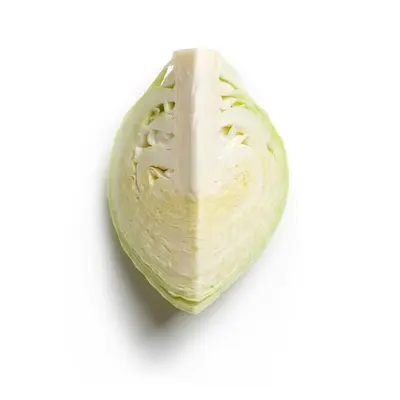
This hybrid shows unusual seedling vigor. Good quality, medium-size heads whether harvested in summer or fall. Good tolerance to moderate fall frost (25-32°F/-4-0°C). AAS Winner. NOTE: When grown under fertility or moisture stress all cauliflower, but particularly Snow Crown, can show a purplish coloration on the undersides of the heads. Unsized seed.
Harvest
50d
Days to harvest
Sun
Full sun to partial shade
Zones
6–9
USDA hardiness
Height
10-24 inches
Planting Timeline
Showing dates for Snow Crown in USDA Zone 7
All Zone 7 brassica →Zone Map
Click a state to update dates
Snow Crown · Zones 6–9
Growing Details
Succession Planting
Snow Crown heads up in about 50 days and then it's done — no continued harvest like a cut-and-come-again green. In zone 7, start a fresh tray of seeds indoors every 3 weeks from late January through early March for a spring run of transplants. Stop transplanting by late April; anything going in after May 1 is likely to button prematurely or produce loose, ricey curds once daytime highs push past 80°F.
For a fall crop — which tends to be cleaner with fewer caterpillar cycles — count back 60 days from your first frost (typically mid-November in zone 7) and start seeds indoors around mid-August, transplanting out in early September. Heads finishing in October cool hold on the stalk longer without quality loss than spring heads do, and you won't be racing the heat.
Complete Growing Guide
This hybrid shows unusual seedling vigor. Good quality, medium-size heads whether harvested in summer or fall. Good tolerance to moderate fall frost (25-32°F/-4-0°C). AAS Winner. NOTE: When grown under fertility or moisture stress all cauliflower, but particularly Snow Crown, can show a purplish coloration on the undersides of the heads. Unsized seed. According to Johnny's Selected Seeds, Snow Crown is 50 days to maturity, annual, hybrid (f1). Notable features: AAS (All-America Selections) Winners.
Light: Full sun (6 or more hours of direct sunlight a day), Partial Shade (Direct sunlight only part of the day, 2-6 hours). Soil: Clay, Loam (Silt), Sand. Soil pH: Acid (<6.0), Neutral (6.0-8.0). Drainage: Good Drainage, Moist. Height: 0 ft. 10 in. - 2 ft. 0 in.. Spread: 1 ft. 0 in. - 2 ft. 0 in.. Spacing: 12 inches-3 feet. Growth rate: Medium. Maintenance: Medium. Propagation: Seed, Stem Cutting. Regions: Coastal, Mountains, Piedmont.
Harvesting
Snow Crown reaches harvest at 50 days from sowing per Johnny's Selected Seeds. As an annual, harvest continues until frost ends the season.
The fruits dry and split when ripe.
Color: Brown/Copper, Green. Type: Siliqua. Length: > 3 inches.
Garden value: Edible
Harvest time: Fall, Summer
Edibility: The foliage is edible raw or cooked but when cooked can emit an unpleasant odor.
Storage & Preservation
Harvest Snow Crown at peak maturity and store heads in a perforated plastic bag in the refrigerator at 32–40°F with 95% humidity for up to two weeks of reliable freshness. Keep them away from ethylene-producing fruits like apples and pears, which accelerate yellowing. For longer preservation, blanch florets for three minutes, then freeze in airtight containers or vacuum-sealed bags for up to eight months. Freezing works exceptionally well with this variety's dense, compact curds and minimal waste. Alternatively, pickle small florets in a vinegar brine for extended pantry storage, or dehydrate thin florets at 120°F until brittle for a concentrated umami-rich snack. Snow Crown's pure white color can fade slightly during storage; minimizing light exposure helps preserve visual appeal.
History & Origin
Snow Crown is an F1 hybrid developed through controlled cross-pollination. Listed in the Johnny's Selected Seeds catalog.
Origin: W. Europe
Advantages
- +Exceptional seedling vigor makes Snow Crown reliable for home and commercial growers
- +Medium-sized heads offer ideal portion control for families and small kitchens
- +Performs well in both summer and fall harvests with consistent quality
- +Tolerates moderate fall frost down to 25-32°F without significant head damage
- +AAS award recognition confirms superior performance in diverse growing conditions
Considerations
- -Develops purple undersides under fertility or moisture stress, affecting marketability
- -Unsized seed requires careful spacing and thinning for uniform head development
- -Susceptible to purple coloration even with otherwise good growing conditions
- -Requires consistent moisture and nutrients to prevent cosmetic quality issues
Companion Plants
Onions and garlic are the most useful companions in this bed. Their sulfur compounds confuse aphids and cabbage moths that locate host plants by smell — set them in a ring around your Snow Crown transplants at 6-inch spacing and you'll see less egg-laying on the brassica leaves. French marigolds (Tagetes patula) pull double duty: they deter aphids above ground and, as NC State Extension notes, a solid planting of them can reduce root-knot nematode pressure in the soil over a full season. Nasturtiums work as a trap crop — aphids prefer them to cauliflower, so tuck a few at the bed's edge and let the aphids pile onto those instead.
Keep strawberries and tomatoes out of this bed. Strawberries share susceptibility to Verticillium wilt, which persists in soil and can carry over to the next planting. Tomatoes compete for the same nutrients at the same root depth — roughly 12–18 inches down — and in the zone 7 Georgia spring, where both crops go in the ground during the same April–May window, you'll end up with two stressed plants fighting over water and fertility rather than two productive ones. Pole beans are worth keeping separate too; they've shown allelopathic effects on brassica family members in close quarters.
Plant Together
Dill
Attracts beneficial insects like parasitic wasps that control cabbage worms and aphids
Nasturtiums
Acts as trap crop for aphids and flea beetles, draws pests away from cauliflower
Onions
Strong scent repels cabbage moths, root maggots, and aphids
Garlic
Natural fungicide properties and repels cabbage loopers and other brassica pests
Celery
Repels cabbage white butterflies and improves growth through companion effect
Spinach
Shallow roots don't compete, provides ground cover and efficient space utilization
Marigolds
Strong scent deters cabbage worms, aphids, and nematodes in soil
Lettuce
Benefits from shade of cauliflower leaves and doesn't compete for nutrients
Keep Apart
Strawberries
Both are heavy feeders that compete for similar nutrients, stunting growth
Tomatoes
Allelopathic compounds inhibit brassica growth and both attract similar pests
Pole Beans
Climbing growth can shade cauliflower and nitrogen fixation disrupts brassica nutrition needs
Nutrition Facts
Per 100g serving. % Daily Value based on 2,000 calorie diet. Source: USDA FoodData Central (FDC #747447)
Pests & Disease Resistance
Common Pests
Cabbage worms, cabbage loopers, flea beetles, aphids
Diseases
Clubroot, black rot, downy mildew, powdery mildew
Troubleshooting Snow Crown
What you'll see, why it happens, and what to do about it.
Small, ragged holes scattered across young leaves, worst on seedlings just after transplant
Likely Causes
- Flea beetles (Phyllotreta spp.) — tiny, fast-jumping beetles that pepper leaves with shot-hole damage
- Transplant stress making plants slow to outgrow the feeding pressure
What to Do
- 1.Cover transplants immediately with row cover (Reemay or similar) and seal the edges — flea beetles will find any gap
- 2.Side-dress with a balanced fertilizer to push fast growth; a plant that sizes up quickly sustains flea beetle damage without much yield loss
- 3.Remove row cover once heads start to button, around day 30–35, to avoid heat buildup
Large, irregular chunks missing from outer leaves, or a head that's been bored into
Likely Causes
- Imported cabbageworm (Pieris rapae) — the larva of that white butterfly you see hovering over the bed
- Cabbage looper (Trichoplusia ni) — loops its body as it walks, feeds heavily from day one
What to Do
- 1.Spray Bt (Bacillus thuringiensis var. kurstaki) every 5–7 days once you spot the first worm or butterfly eggs; it only works on larvae that eat treated tissue, so timing matters
- 2.Check the undersides of leaves for yellow or white eggs every few days and crush them before they hatch
- 3.Row cover from transplant to head formation eliminates the problem entirely if you don't need pollinator access
Grayish-white downy fuzz on leaf undersides with yellow patches on the upper surface, appearing after a stretch of cool, wet weather
Likely Causes
- Downy mildew (Peronospora parasitica) — a water mold that thrives when nights sit between 50–60°F and humidity is high
- Plants spaced closer than 18 inches apart, cutting off airflow through the canopy
What to Do
- 1.Strip and trash (not compost) any heavily affected leaves as soon as you see them
- 2.Water at the base of the plant in the morning so foliage dries before nightfall — overhead irrigation in the evening is about the worst thing you can do
- 3.If it spreads despite that, apply a copper-based fungicide to the undersides of leaves and reapply after rain
Frequently Asked Questions
How long does Snow Crown cauliflower take to harvest?▼
Is Snow Crown cauliflower good for beginner gardeners?▼
Can Snow Crown cauliflower handle cold weather?▼
Why does Snow Crown sometimes turn purple?▼
What is the ideal plant spacing for Snow Crown cauliflower?▼
When should I plant Snow Crown cauliflower?▼
Zone-by-Zone Planting Calendar
| Zone | Indoor Start | Transplant | Direct Sow | Harvest |
|---|---|---|---|---|
| Zone 3 | March – April | May – June | May – June | June – October |
| Zone 4 | March – April | May – June | April – June | June – October |
| Zone 5 | February – March | April – May | April – May | June – November |
| Zone 6 | February – March | April – May | April – May | May – November |
| Zone 7 | February – March | April – May | March – May | May – November |
| Zone 8 | January – February | March – April | March – April | April – December |
| Zone 9 | January – January | February – March | February – March | March – December |
| Zone 10 | January – January | February – March | January – March | March – December |
| Zone 1 | April – May | June – July | June – July | July – September |
| Zone 2 | April – May | June – July | May – July | July – September |
| Zone 11 | January – January | January – February | January – February | February – December |
| Zone 12 | January – January | January – February | January – February | February – December |
| Zone 13 | January – January | January – February | January – February | February – December |
Growing Guides from Wind River Greens
Sources & References
External authority sources used in compiling this guide.
- BreederJohnny's Selected Seeds
- USDAUSDA FoodData Central
See the Methodology page for how this data is sourced, what's AI-assisted, and known limitations.