Potomac Lavender
Antirrhinum majus
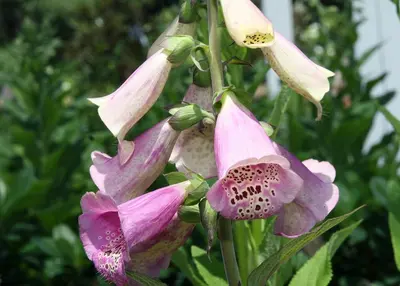
Soft lavender blooms for field or greenhouse production. Group 3-4: Warm season snapdragons are bred for optimal performance under long days, high light levels, and warm temperatures. Edible Flowers: The flowers are a colorful garnish for use in salads, desserts, and drinks. The flavor is floral and slightly bitter, so use sparingly.
Harvest
110-120d
Days to harvest
Sun
Full sun to partial shade
Zones
7–10
USDA hardiness
Height
0-3 feet
Planting Timeline
Showing dates for Potomac Lavender in USDA Zone 7
All Zone 7 flower →Zone Map
Click a state to update dates
Potomac Lavender · Zones 7–10
Growing Details
Succession Planting
Potomac Lavender blooms once per plant per season, but you can stagger the display by starting new batches indoors every 3-4 weeks from February through March in zone 7, then transplanting out in April and May. That gives you a rolling set of plants hitting their 110-120 day window at different points across summer. Stop sowing by early April if your summers reliably push past 90°F by July — plants started too late will reach their bloom window right when heat shuts them down, and you'll get nothing for the effort.
Complete Growing Guide
Soft lavender blooms for field or greenhouse production. Group 3-4: Warm season snapdragons are bred for optimal performance under long days, high light levels, and warm temperatures. Edible Flowers: The flowers are a colorful garnish for use in salads, desserts, and drinks. The flavor is floral and slightly bitter, so use sparingly. According to Johnny's Selected Seeds, Potomac Lavender is 110 - 120 days to maturity, annual, hybrid (f1). Notable features: Easy Choice, Greenhouse Performer, Use for Cut Flowers and Bouquets, Edible Flowers, Fragrant.
Light: Full sun (6 or more hours of direct sunlight a day), Partial Shade (Direct sunlight only part of the day, 2-6 hours). Soil: High Organic Matter. Drainage: Good Drainage. Height: 0 ft. 6 in. - 3 ft. 0 in.. Spread: 0 ft. 6 in. - 0 ft. 10 in.. Spacing: Less than 12 inches. Growth rate: Medium. Maintenance: Medium.
Harvesting
Potomac Lavender reaches harvest at 110 - 120 days from sowing per Johnny's Selected Seeds. As an annual, harvest continues until frost ends the season.
A capsule, half hidden by calyx lobes, short-beaked.
Type: Capsule. Length: 1-3 inches.
Storage & Preservation
Fresh Potomac Lavender flowers are most flavorful and visually striking when used immediately after harvest. If you must store them, place cut stems in a small vase with cool water in a refrigerator (35–40°F) for up to 3–5 days; flowers gradually lose petal firmness and delicate color beyond this window.
For longer preservation, air-dry flowers by hanging bundles upside-down in a warm, dark, well-ventilated space for 10–14 days. Dried flowers retain their lavender color and can be crushed for baking, tea infusions, or savory garnishes for 6–12 months when stored in airtight containers away from light. Alternatively, freeze flower petals on a baking sheet, then transfer to freezer bags; frozen petals work well in drinks and desserts but lose structural integrity for fresh garnishing. Candying is also traditional: brush petals with egg white, coat lightly with superfine sugar, and air-dry on parchment for 24 hours—candied flowers keep for several weeks in airtight containers and add elegant texture to cakes and pastries.
History & Origin
Potomac Lavender is an F1 hybrid developed through controlled cross-pollination. Listed in the Johnny's Selected Seeds catalog.
Origin: Southwestern Europe
Advantages
- +Soft lavender color adds unique visual appeal to field and greenhouse arrangements
- +Edible flowers provide dual-purpose harvest for culinary and ornamental use
- +Group 3-4 breeding ensures reliable performance in warm season conditions
- +Quick 110-120 day maturity allows multiple succession plantings per season
- +Easy difficulty rating makes it suitable for beginning growers
Considerations
- -Slightly bitter floral flavor limits culinary applications and requires restraint
- -Warm season requirement restricts growing window in cooler climates
- -Snapdragons susceptible to rust and powdery mildew in humid conditions
Companion Plants
Rosemary, thyme, sage, and oregano make solid neighbors because they share similar water needs and their aromatic volatile oils — carvacrol, thymol, and related compounds — appear to reduce aphid landing rates, though don't rely on that alone; keep scouting. Marigolds (Tagetes species) pull double duty: they draw in parasitic wasps and hoverflies, and their root secretions suppress soil nematodes over a full season. Mint is the one to keep behind a buried barrier or in a pot — it spreads by underground runner and will muscle snapdragons out of a 2-foot radius inside a single growing season. Impatiens and hosta both want shadier, wetter conditions than Potomac Lavender tolerates, so they're simply a bad site match.
Plant Together
Rosemary
Similar water and soil requirements, both repel pests and complement each other's fragrance
Thyme
Shares similar Mediterranean growing conditions and helps repel cabbage worms and other pests
Sage
Compatible growing requirements and both attract beneficial pollinators while deterring harmful insects
Oregano
Similar drought tolerance and both provide natural pest control while attracting bees
Marigolds
Repel aphids, whiteflies, and nematodes while adding complementary color to lavender beds
Catmint
Similar growing conditions and both repel ants, mice, and mosquitoes effectively
Alliums
Deter aphids, slugs, and other pests while sharing similar well-draining soil preferences
Sedum
Both thrive in poor, well-draining soil and create attractive drought-tolerant combinations
Keep Apart
Mint
Aggressive spreading nature can overwhelm lavender and prefers more moisture than lavender tolerates
Impatiens
Requires consistently moist soil and shade, opposite of lavender's dry, sunny preferences
Hosta
Needs shade and consistent moisture while lavender requires full sun and well-draining soil
Pests & Disease Resistance
Common Pests
Spider mites (in hot, dry conditions), aphids
Diseases
Powdery mildew (in humid, poorly ventilated spaces)
Troubleshooting Potomac Lavender
What you'll see, why it happens, and what to do about it.
Fine webbing on undersides of leaves, with tiny bronze or yellow stippling across the leaf surface
Likely Causes
- Spider mite (Tetranychus urticae) infestation — almost always triggered by hot, dry conditions above 85°F
- Plants stressed from inconsistent watering, which makes them more susceptible
What to Do
- 1.Blast the undersides of leaves with a strong stream of water every 2-3 days to knock mites off
- 2.Apply insecticidal soap or neem oil in the early morning — full coverage on leaf undersides is what matters
- 3.Water consistently; drought-stressed snapdragons are dramatically more attractive to mites
Sticky residue on stems and leaves, distorted new growth, clusters of small soft-bodied insects at shoot tips
Likely Causes
- Aphid infestation (commonly Myzus persicae or Aphis gossypii on ornamentals)
- High-nitrogen fertilization that pushes lush, tender growth aphids prefer
What to Do
- 1.Knock aphids off with a firm water spray — do this 3 days in a row and you'll break the cycle on light infestations
- 2.Introduce or encourage ladybugs and parasitic wasps by planting nearby alliums or marigolds
- 3.If the infestation is heavy, apply insecticidal soap directly to the colonies — repeat every 5-7 days
White or gray powdery coating on leaves and stems, starting on upper leaf surfaces, often in mid to late season
Likely Causes
- Powdery mildew (Erysiphe species) — airborne spores that thrive when nights are cool and humid while days stay warm
- Crowded planting at less than 12 inches apart, cutting off airflow between stems
What to Do
- 1.Space plants at least 12-18 inches apart from the start — you can't fix crowding after the fact without transplanting
- 2.Strip and trash (not compost) any heavily coated leaves or stems
- 3.Apply a potassium bicarbonate spray or diluted neem oil at the first sign — once it's on half the plant, you're managing it, not stopping it
Plants reach 120+ days with healthy foliage but few or no flower spikes
Likely Causes
- Insufficient sun — Potomac Lavender needs at least 4-6 hours of direct light daily to set spikes reliably
- Excess nitrogen pushing vegetative growth at the expense of bloom
- Heat stall — snapdragons commonly stop flowering when daytime highs hold above 90°F for more than a week
What to Do
- 1.Move container-grown plants to a sunnier spot; for in-ground beds, cut back any shrubs or tall companions casting shade by midday
- 2.Switch to a phosphorus-forward fertilizer (a 5-10-10 ratio works) once plants are established and you want blooms
- 3.If heat is the culprit, cut plants back by one-third and wait — they'll often push new spikes once temperatures drop back below 85°F
Frequently Asked Questions
How long does Potomac Lavender take to grow from seed to first flower?▼
Can you grow Potomac Lavender in containers or pots?▼
Is Potomac Lavender good for beginner gardeners?▼
What does Potomac Lavender taste like, and how should you use it in cooking?▼
When should you plant Potomac Lavender outdoors?▼
How often should you water and fertilize Potomac Lavender?▼
Zone-by-Zone Planting Calendar
| Zone | Indoor Start | Transplant | Direct Sow | Harvest |
|---|---|---|---|---|
| Zone 3 | April – May | June – July | June – August | — |
| Zone 4 | March – April | June – June | June – July | — |
| Zone 5 | March – April | May – June | May – July | — |
| Zone 6 | March – April | May – June | May – July | — |
| Zone 7 | February – March | April – May | April – June | — |
| Zone 8 | February – March | April – May | April – June | — |
| Zone 9 | January – February | March – April | March – May | — |
| Zone 10 | January – January | February – March | February – April | — |
| Zone 1 | May – June | July – August | July – September | — |
| Zone 2 | April – May | June – July | June – August | — |
| Zone 11 | January – January | January – February | January – March | — |
| Zone 12 | January – January | January – February | January – March | — |
| Zone 13 | January – January | January – February | January – March | — |
Growing Guides from Wind River Greens
Sources & References
External authority sources used in compiling this guide.
- BreederJohnny's Selected Seeds
See the Methodology page for how this data is sourced, what's AI-assisted, and known limitations.