Salanova Red Butter
Lactuca sativa 'Salanova Red Butter'
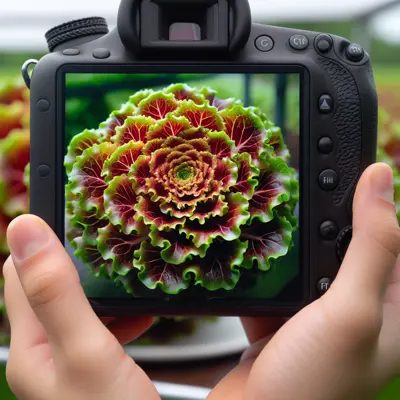
A revolutionary multi-leaf lettuce that produces 16-20 individual leaves from a single cut, making harvest incredibly efficient and waste-free. The tender, red-tinged butterhead-type leaves offer premium texture and sweet flavor while the innovative breeding ensures every leaf is perfectly sized for salads. This modern variety combines convenience with gourmet quality.
Harvest
50-55d
Days to harvest
Sun
Full sun to partial shade
Zones
2–11
USDA hardiness
Height
6-12 inches
Planting Timeline
Showing dates for Salanova Red Butter in USDA Zone 7
All Zone 7 lettuce →Zone Map
Click a state to update dates
Salanova Red Butter · Zones 2–11
Growing Details
Succession Planting
Direct sow Salanova Red Butter every 14 days starting around March 1, and keep going through late April. Each planting at 6-8 inch spacing will hit harvest around 50-55 days out, so staggering by two weeks means you're cutting heads across a 6-8 week window instead of all at once. Stop sowing by early May — once daytime highs are consistently above 80°F, germination gets erratic and whatever does come up will bolt before it's worth cutting.
Pick back up with a fall run starting around August 15, direct sowing every 14 days through mid-September. Fall lettuce tends to outperform spring — days are shortening, nights cool down fast, and Bremia lactucae pressure eases once humidity drops. That fall window can carry you into November before hard frost (below 28°F) forces a stop.
Complete Growing Guide
Salanova Red Butter can be started either indoors or direct sown, depending on your climate and preference. For earliest harvests, sow seeds indoors 4 to 6 weeks before your last spring frost date, then transplant seedlings outdoors once soil temperatures reach 50°F. Alternatively, direct sow seeds into the garden as soon as soil can be worked in spring, and again in mid to late summer for fall crops. This variety matures in just 50 to 55 days, making it ideal for succession planting every two weeks throughout the growing season for continuous harvests.
Prepare loose, well-draining soil enriched with compost or aged manure before planting, as Salanova Red Butter develops its tender, buttery texture best in fertile conditions. Sow seeds just ¼ inch deep and space plants 6 to 8 inches apart to accommodate the full rosette as it expands to 6 to 12 inches in height. Crowding reduces air circulation and invites fungal problems, which is particularly important for this variety since it tends to form dense leaf clusters that trap moisture. Thin seedlings early to prevent stunted growth and ensure each plant receives adequate space to develop its signature 16 to 20 harvestable leaves.
Water consistently, aiming for 1 to 1.5 inches per week from rain or irrigation. Keep soil evenly moist but never waterlogged, as excessive moisture combined with the variety's compact leaf structure creates ideal conditions for downy mildew. Feed monthly with a balanced, nitrogen-rich fertilizer to support rapid leaf production, or work in slow-release fertilizer at planting time. In cooler seasons, reduce feeding frequency since slower growth actually concentrates flavor.
Salanova Red Butter's tight rosette and tender leaves make it particularly vulnerable to slugs and aphids, which can hide between the overlapping foliage. Scout weekly and hand-pick slugs in early morning or evening, or apply diatomaceous earth around plants. Watch for thrips, which damage the red-tinged leaves and reduce marketability. Downy mildew is a serious concern with this variety given its dense structure, so ensure excellent air circulation and avoid overhead watering. Monitor for lettuce mosaic virus transmitted by aphids, and remove affected plants immediately to prevent spread.
The most common mistake gardeners make with Salanova Red Butter is harvesting prematurely or incorrectly. This variety's innovation lies in its ability to produce 16 to 20 individual leaves ready for harvest simultaneously from a single cut. Unlike traditional heading lettuces, you harvest by cutting the entire plant at soil level, not by removing outer leaves one at a time. Timing the cut at 50 to 55 days ensures maximum leaf production and that perfect buttery tenderness, but cutting too early wastes the variety's main advantage.
Harvesting
Salanova Red Butter reaches harvest at 55 days from sowing per Johnny's Selected Seeds. As an annual, harvest continues until frost ends the season.
Tiny seeds with a dandelion-like tuft (pappus) to aid in wind dispersal.
Color: Brown/Copper. Type: Achene. Length: < 1 inch. Width: < 1 inch.
Harvest time: Summer
Edibility: Leaves can be used raw or cooked in salads, sandwiches, and other dishes. Head lettuce can be stored for 2-3 weeks while leaf and butterhead store for 1-2 weeks.
Storage & Preservation
Store freshly harvested Salanova Red Butter in the refrigerator immediately after cutting. Wrap the separated leaves gently in damp paper towels and place in a perforated plastic bag. Keep in the crisper drawer at 32-36°F with high humidity—properly stored leaves maintain quality for 7-10 days.
For meal prep, wash and dry leaves thoroughly using a salad spinner, then store in airtight containers lined with paper towels. This variety doesn't preserve well through traditional methods like freezing or drying due to its high water content and delicate texture. However, you can incorporate leaves into green smoothie ice cubes or use them fresh in wraps that freeze well for quick meals.
History & Origin
Salanova Red Butter is open-pollinated, meaning seed saved from healthy plants will produce true-to-type offspring. Listed in the Johnny's Selected Seeds catalog.
Origin: Mediterranean to Siberia
Advantages
- +Produces 16-20 leaves per cut, maximizing yield and efficiency
- +Multi-leaf harvest design creates virtually zero waste at picking
- +Sweet, buttery flavor and tender texture exceed standard lettuce quality
- +Ready in just 50-55 days for quick succession plantings
- +Red-tinged leaves add visual appeal and gourmet presentation value
Considerations
- -Susceptible to downy mildew in cool, humid growing conditions
- -Vulnerable to lettuce mosaic virus with limited resistance options
- -Requires consistent moisture and well-draining soil for optimal performance
- -Attractive to multiple pests including aphids, thrips, and slugs
Companion Plants
Radishes and chives do real work alongside Salanova Red Butter. Radishes germinate fast — often in 5-7 days — and their early canopy marks the row while drawing flea beetles away from tender lettuce leaves. Chives at the bed edges emit volatile sulfur compounds that appear to reduce aphid pressure; whether that holds perfectly at field scale is debatable, but they don't compete for the same root depth and they won't shade a plant that tops out at 6-12 inches. Marigolds (Tagetes patula specifically) suppress root-knot nematodes in beds with heavy vegetable traffic — slow payoff, but worth it if you're cycling lettuce through the same 2-3 beds each season.
Fennel is the one plant that will actively set Salanova back. Its root exudates are allelopathic — not a vague theoretical concern, but a documented stunting effect on many vegetables, and lettuce is sensitive to it. Sunflowers aren't chemically harmful, but a 6-foot plant next to a cool-season crop that's already racing against 80°F daytime highs will accelerate bolting by cutting light and trapping heat at the soil surface.
Plant Together
Chives
Repels aphids and other soft-bodied insects that damage lettuce
Carrots
Their deep taproot doesn't compete with shallow lettuce roots, and provides soil aeration
Radishes
Quick-growing companion that helps break up soil and can be harvested before lettuce needs space
Marigolds
Repel nematodes and aphids while attracting beneficial insects
Nasturtiums
Act as trap crop for aphids and cucumber beetles, drawing pests away from lettuce
Dill
Attracts beneficial insects like ladybugs and parasitic wasps that control lettuce pests
Garlic
Natural fungicide properties help prevent downy mildew and other fungal diseases
Spinach
Similar growing requirements and harvest times, efficient use of garden space
Keep Apart
Sunflowers
Allelopathic compounds in roots inhibit lettuce germination and growth
Broccoli
Heavy feeder that competes for nutrients and creates too much shade for lettuce
Fennel
Strong allelopathic effects inhibit growth of most garden plants including lettuce
Nutrition Facts
Per 100g serving. % Daily Value based on 2,000 calorie diet. Source: USDA FoodData Central (FDC #2346388)
Pests & Disease Resistance
Resistance
Bred for uniformity and bolt resistance. Good tipburn tolerance.
Common Pests
Aphids, thrips, leafminers, slugs
Diseases
Downy mildew, lettuce mosaic virus, bacterial leaf spot
Troubleshooting Salanova Red Butter
What you'll see, why it happens, and what to do about it.
Seedlings collapse at soil level within the first 7-10 days after transplanting or germination, sometimes with fuzzy white mold visible on the soil surface nearby
Likely Causes
- Damping off — typically Pythium or Rhizoctonia solani — a soil-borne fungal complex that thrives in cold, waterlogged soil
- Overwatering or poor drainage in raised beds, especially when soil temps are below 50°F
What to Do
- 1.Don't replant into the same spot immediately — let the bed dry down and amend with compost to improve drainage
- 2.Start new seedlings in fresh, sterile seed-starting mix rather than reusing old trays or outdoor soil
- 3.If you're direct sowing, wait until soil temps are consistently above 45°F and thin to 6-8 inches so air moves between plants
Undersides of leaves show white-gray fuzzy growth; upper surface shows pale yellow angular patches that follow leaf veins
Likely Causes
- Downy mildew (Bremia lactucae) — a water mold that spreads in cool, humid conditions, especially overnight
- Dense planting or overhead irrigation that keeps foliage wet for extended periods
What to Do
- 1.Pull and trash affected leaves — don't compost them
- 2.Switch to drip irrigation or water at the base of plants early in the morning so foliage dries before nightfall
- 3.Rotate lettuce out of any bed that had downy mildew for at least one full season; Bremia spores persist in soil debris
Leaves show mosaic-patterned yellowing, puckering, or distortion — not uniform yellowing, but irregular blotchy patches — often appearing mid-season
Likely Causes
- Lettuce mosaic virus (LMV), transmitted by aphids feeding on infected plants nearby
- Aphid pressure from nearby weeds — sowthistle and chickweed are common reservoir hosts for both aphids and LMV
What to Do
- 1.Check the undersides of leaves for aphid colonies — a strong blast from a hose knocks most of them off
- 2.Pull and dispose of any plant showing mosaic symptoms; there's no cure once the virus is in the tissue
- 3.Use row cover from transplant through the first 3-4 weeks to block aphid vectors before the plant is established
Frequently Asked Questions
How long does Salanova Red Butter take to grow?▼
Can you grow Salanova Red Butter in containers?▼
What does Salanova Red Butter lettuce taste like?▼
Is Salanova Red Butter good for beginners?▼
When should I plant Salanova Red Butter lettuce?▼
Salanova vs regular butterhead lettuce - what's the difference?▼
Zone-by-Zone Planting Calendar
| Zone | Indoor Start | Transplant | Direct Sow | Harvest |
|---|---|---|---|---|
| Zone 3 | — | — | May – June | June – October |
| Zone 4 | — | — | April – June | June – October |
| Zone 5 | — | — | April – May | June – November |
| Zone 6 | — | — | April – May | May – November |
| Zone 7 | — | — | March – May | May – November |
| Zone 8 | — | — | March – April | April – December |
| Zone 9 | — | — | February – March | March – December |
| Zone 10 | — | — | January – March | March – December |
| Zone 1 | — | — | June – July | July – September |
| Zone 2 | — | — | May – July | July – September |
| Zone 11 | — | — | January – February | February – December |
| Zone 12 | — | — | January – February | February – December |
| Zone 13 | — | — | January – February | February – December |
Growing Guides from Wind River Greens
Sources & References
External authority sources used in compiling this guide.
- BreederJohnny's Selected Seeds
- USDAUSDA FoodData Central
See the Methodology page for how this data is sourced, what's AI-assisted, and known limitations.